Mastering Teaching Aptitude and Professional Competence
Aptitude Frameworks
Beyond the 'Born Teacher'
The idea of the 'natural born teacher' is a compelling myth. It suggests some people just have it—an innate, almost magical ability to inspire and educate. While charisma and intuition certainly help, effective teaching is far less about magic and more about a complex, multi-dimensional set of skills and knowledge. Aptitude isn't a single trait but a framework of interconnected competencies.
Breaking down this framework helps us move from simply identifying 'good' teachers to understanding why they are effective. It allows us to see teaching potential not as a fixed lottery ticket but as a capacity that can be analyzed, understood, and cultivated. This involves dissecting both the specialized knowledge a teacher possesses and their psychological readiness to handle the dynamic classroom environment.
The Anatomy of Teacher Knowledge
In the 1980s, educational psychologist Lee Shulman challenged the prevailing view that a good teacher was simply someone who knew their subject matter well. He argued that expertise in a subject, like biology or history, was necessary but insufficient. What was missing was a special kind of knowledge that blended content with the art of teaching itself. He called it Pedagogical Content Knowledge (PCK).
PCK is the understanding of how to represent specific topics and problems in ways that are comprehensible to learners. It's not just knowing the Krebs cycle; it's knowing the three best analogies to explain it to 10th graders, anticipating their common misconceptions, and having a backup explanation ready. proposed several categories of teacher knowledge that work together.
| Knowledge Type | Description |
|---|---|
| Content Knowledge | Mastery of the subject matter itself (facts, concepts, theories). |
| General Pedagogical Knowledge | Broad principles of teaching (e.g., classroom management, lesson planning). |
| Curriculum Knowledge | Understanding of the programs and materials for teaching a subject at a specific level. |
| Pedagogical Content Knowledge (PCK) | The blend: knowledge of how to make a subject learnable for others. |
PCK is the sweet spot where a teacher's expertise in a subject intersects with their skill in teaching it.
The Psychological Blueprint
Beyond what a teacher knows is who they are. Psychological readiness is the other side of the aptitude coin. It’s here that we can look to the Big Five personality model to understand the traits that correlate with success in managing the complex social dynamics of a classroom.
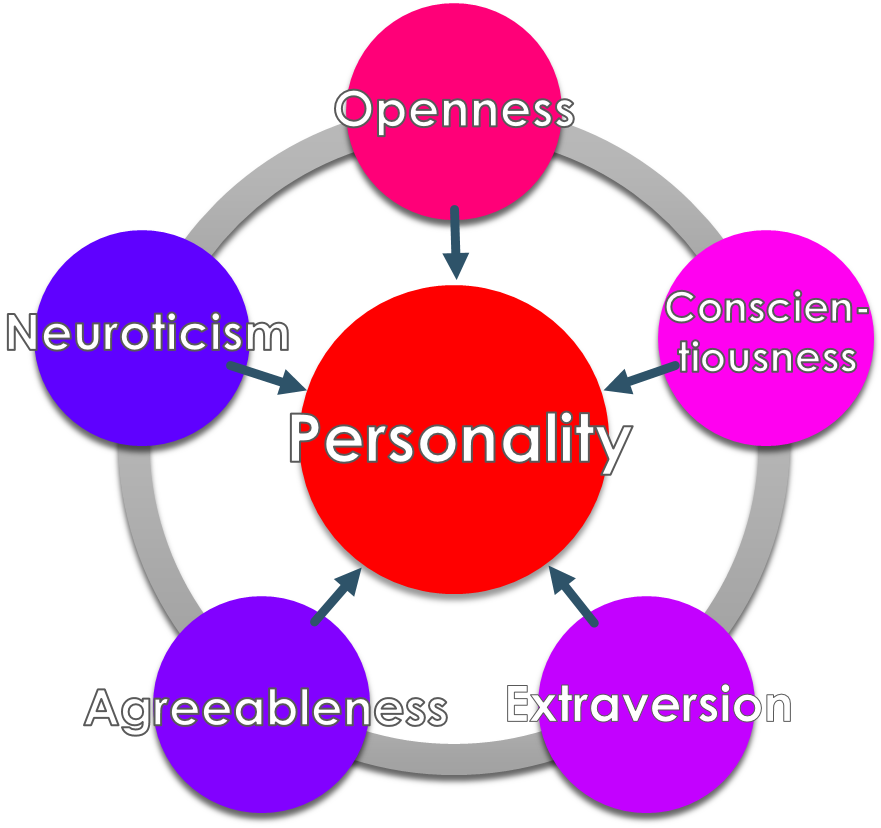
These five traits aren't deterministic, but they provide a useful lens for identifying underlying dispositions that support effective teaching:
- Conscientiousness: This is the bedrock of planning, organization, and reliability. Highly conscientious teachers are more likely to create structured, predictable environments where students feel secure.
- Agreeableness: Essential for building rapport and trust. This trait manifests as patience, empathy, and cooperation, which are crucial for classroom management and fostering a positive learning community.
- Extraversion: While introverts can be excellent teachers, the sociability and expressiveness of extraversion can be an asset in leading classroom discussions and energizing students.
- Openness to Experience: This trait fuels creativity, intellectual curiosity, and a willingness to try new teaching methods. Open teachers model a love of learning and can adapt their lessons to keep them fresh and engaging.
- Neuroticism (or its opposite, Emotional Stability): High emotional stability is a powerful asset. Teachers with this trait are more resilient to stress, remain calm under pressure, and are less likely to react negatively to classroom disruptions.
This raises a key question: are these traits innate, or can they be developed? While personality is relatively stable, the behaviors associated with these traits can absolutely be learned and honed. An introvert can learn techniques for dynamic public speaking, and a less-organized person can adopt rigorous planning systems. This is the difference between an innate trait and professional skill acquisition. Your personality is your starting point, not your destiny.
From Traits to Actions
Ultimately, aptitude isn't just a theoretical score; it's demonstrated through action. We can observe behavioral indicators that signal high instructional potential, connecting the knowledge frameworks and psychological traits to what a teacher actually does.
One of the most powerful indicators is cognitive empathy—the ability to accurately gauge a student's level of understanding. A teacher with this skill can 'read the room' and tell from body language and responses whether a concept is landing or if they need to pivot. They fluidly re-explain ideas using different analogies, connect new material to students' prior knowledge, and ask targeted questions to reveal confusion.
Another indicator is a reflective, problem-solving disposition. High-potential educators don't just deliver lessons; they analyze them. They ask themselves why a particular activity succeeded or failed and what they could change next time. They actively seek feedback, collaborate with peers, and treat teaching as a craft to be continually refined. This professional intuition isn't mystical—it's the product of a deliberate cycle of action, reflection, and adjustment.
According to the text, the concept of the 'natural born teacher' is considered a myth because effective teaching primarily relies on:
Which of the following scenarios best illustrates Lee Shulman's concept of Pedagogical Content Knowledge (PCK)?
Understanding these frameworks allows us to appreciate teaching as the complex intellectual and emotional work that it is. It's a blend of deep knowledge, psychological resilience, and a commitment to continuous improvement.