Mastering Tadelakt Moroccan Plaster
Introduction to Tadelakt
The Art of Moroccan Plaster
Step into a traditional Moroccan hammam, or public bathhouse, and you’ll notice the walls. They are smooth, seamless, and have a soft, inviting sheen that seems to glow. This beautiful, water-resistant surface is called Tadelakt, a plaster technique that has been perfected over centuries.
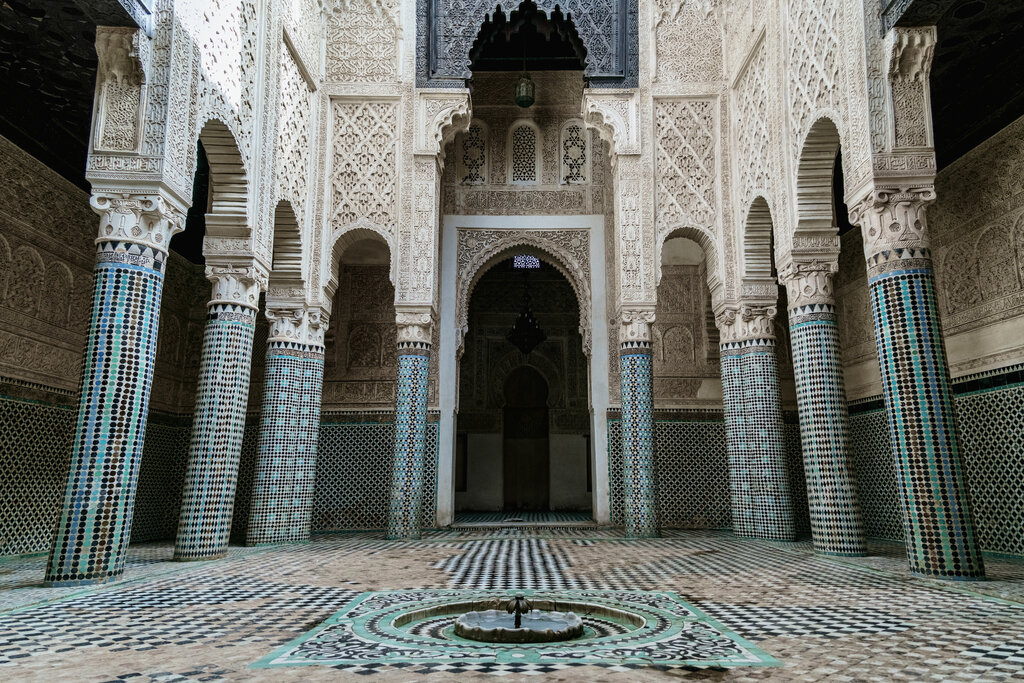
Tadelakt is a lime-based plaster that is both decorative and highly functional. Its name comes from the Berber verb delk, meaning "to rub in" or "knead." This hints at the labor-intensive process of creating the signature finish.
to rub in / to knead
From Bathhouses to Palaces
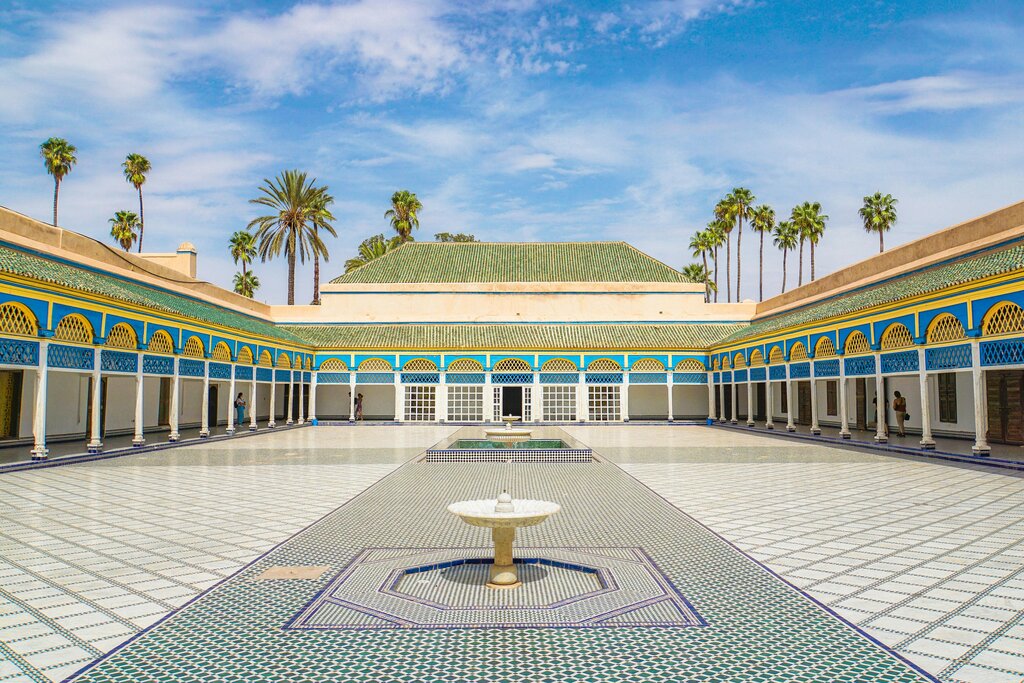
The origins of Tadelakt lie in the region around Marrakech. For centuries, Moroccans have used it to waterproof cisterns for storing drinking water. Its durability and beauty made it a natural choice for the steamy walls of hammams and the elegant bathrooms of riads and palaces.
Historically, Tadelakt was more than just a building material; it was a craft passed down through generations. The technique was essential for creating hygienic, water-tight surfaces in a time before modern plumbing and sealants. This blend of practicality and aesthetic appeal secured its place in the heart of Moroccan architecture.
What Makes It Unique?
Tadelakt is not just any lime plaster. Its unique properties come from three key elements: the specific lime used, the application method, and a final, crucial treatment.
The raw material is a special hydraulic lime found only in the Marrakech region. This lime has a unique mineral composition that allows it to harden without exposure to air, making it incredibly durable and naturally water-resistant.
During application, the plaster is meticulously polished with a hard, smooth river stone. This compacts the surface, closing up pores. But the real magic happens in the final step.
The plaster is treated with a black olive oil soap. A chemical reaction between the fatty acids in the soap and the lime in the plaster creates a new, waterproof substance: calcium stearate. This makes the surface completely impervious to water.
The result is a surface that is fundamentally different from other plasters. It is seamless, has no grout lines, and is breathable, which helps prevent the buildup of mold. The finish is not perfectly flat but has gentle, undulating waves and subtle color variations, giving it a living, organic quality.
Now that you understand the history and properties of this unique material, let's test your knowledge.
The name 'Tadelakt' is derived from a Berber verb meaning what?
What is the key ingredient that gives Tadelakt its unique, naturally water-resistant properties?
With its deep roots in Moroccan culture and its remarkable natural properties, Tadelakt remains a celebrated craft, bridging the gap between ancient tradition and modern design.