Mastering Tabletop Role-Playing Games
Understanding TTRPG Basics
What is a TTRPG?
A tabletop role-playing game (TTRPG) is a form of collaborative storytelling. You and a few friends gather around a table to create a story together. One person acts as the narrator and referee, while everyone else plays the part of a main character in the story. Think of it like a group writing a book, but you're doing it through conversation and imagination.
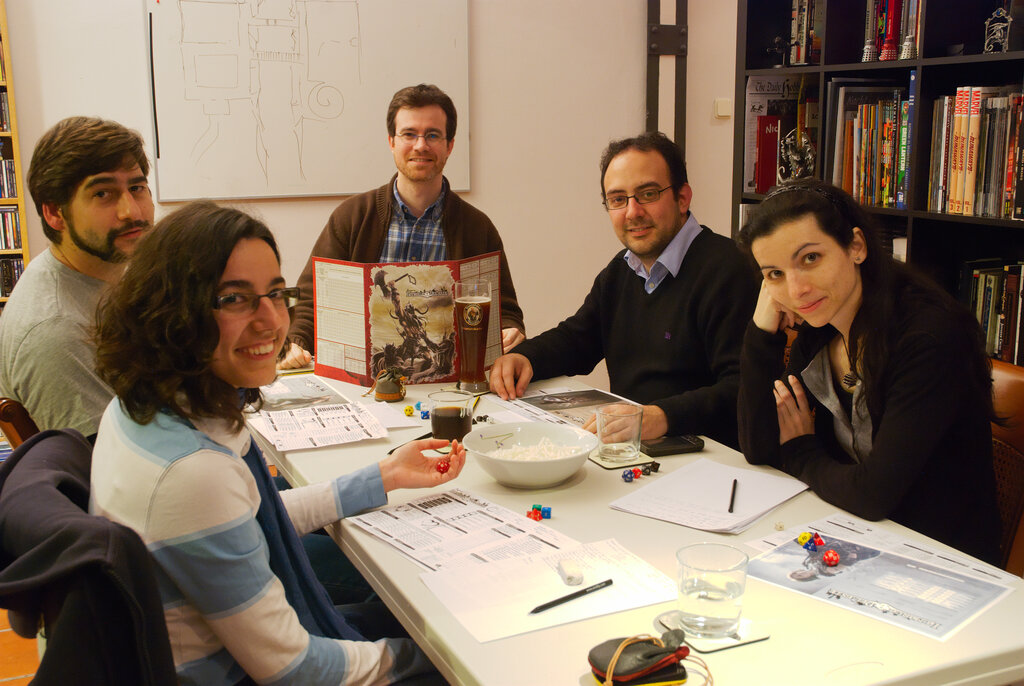
These games aren't new. The first commercially available TTRPG, Dungeons & Dragons, was published in 1974. It combined the strategic elements of miniature wargaming with the open-ended possibilities of role-playing. Since then, thousands of TTRPGs have been created, spanning every genre imaginable, from high fantasy and space opera to detective noir and modern horror.
The core of every TTRPG is the same: players describe what their characters say and do, and the narrator describes how the world responds. The story unfolds based on the choices everyone makes.
The Key Roles
A TTRPG session has two fundamental roles: the players and the Game Master.
In this classic arrangement, one player takes on the role of the Game Master, though the role can also be called Dungeon Master, Judge, Referee, Keeper or some other evocative title.
The Game Master (GM) is the story's narrator and the players' guide to the world. They describe the environment, control all the non-player characters (NPCs) the players meet, and present challenges to overcome. The GM is also the referee, interpreting the game's rules and deciding the outcome of the players' actions.
The Players each create and control a single character, known as a player character (PC). Their job is to embody that character, making decisions from their perspective. They are the protagonists of the story. The players tell the GM what their characters want to do, and the GM tells them what happens as a result.
It's a conversation. The players contribute ideas and actions, and the GM weaves them into a cohesive narrative, creating a story that no single person could have imagined on their own.
Rules of the World
While storytelling is central, TTRPGs aren't just freeform make-believe. They have rules to provide structure and create suspense. These rules help determine whether a character's attempted action succeeds or fails. Most of the time, this is resolved by rolling dice.
When a player wants their character to do something risky, like swing a sword at a dragon or persuade a stubborn guard, the GM will ask for a dice roll. The outcome of the roll, often modified by the character's abilities, determines what happens next. This element of chance ensures that not even the GM knows exactly how the story will unfold.
Different games use different rule systems. There are three common types:
| System Type | Core Mechanic | Example Games |
|---|---|---|
| d20 System | Roll a 20-sided die (), add a modifier, and try to beat a target number. | Dungeons & Dragons, Pathfinder |
| Percentile System | Roll two 10-sided dice () to get a number from 1-100. You succeed if you roll under your character's skill level. | Call of Cthulhu, RuneQuest |
| Dice Pool System | Gather a number of dice (usually 6 or 10-sided) based on your character's stats and skills. Each die that meets or exceeds a target number counts as a success. | Vampire: The Masquerade, Shadowrun |
The specific rules aren't as important as their purpose: to create a fair and consistent framework for the story. The rules serve the narrative, not the other way around.
Becoming Someone Else
Before you can play, you need a character. This process is one of the most creative parts of a TTRPG. Your character is your avatar in the game world, and you'll create them using the game's rulebook as a guide.
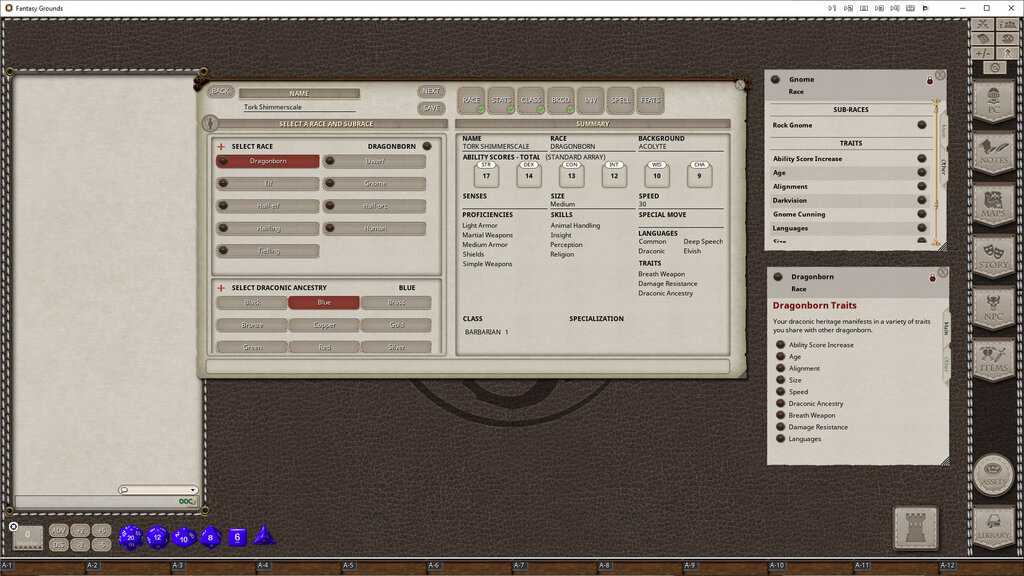
The record of your character is kept on a character sheet. This document tracks all the important information about your PC, including:
- Attributes: These are numbers that represent your character's core capabilities, like Strength, Dexterity, and Intelligence. They determine how good your character is at different types of tasks.
- Skills: These represent specific areas of training or talent, such as Persuasion, Stealth, or Medicine.
- Backstory: This is your character's history. Where did they come from? What do they want? A simple backstory can provide powerful motivations that guide your role-playing during the game.
Creating a character is a mix of mechanics and imagination. The numbers on the sheet tell you what your character can do, but their personality, goals, and flaws are what make them feel alive. The best stories come from players making choices that are true to the characters they've created.
This covers the basic building blocks of a TTRPG. With a GM, a few players, a set of rules, and some characters, you have everything you need to start telling your own unique stories.