Mastering Systems Thinking
Introduction to Systems Thinking
Seeing the Whole Picture
Most problems aren't simple. When we try to solve them by looking at just one piece at a time, we often miss the real issue. This is where systems thinking comes in. It's a way of seeing the world as a collection of interconnected parts that work together to form a whole.
Think of a car. If you only study the tires, you'll never understand how the car moves. You need to see how the engine provides power, the transmission transfers it, and the wheels turn as a result. A car is a system. Each part affects the others. Systems thinking is the practice of looking for these connections and understanding the entire system, not just its individual components.
Systems thinking attends to the connections between things, events and ideas.
This approach helps us see the bigger picture. Instead of just reacting to symptoms, we can start to understand the root causes of complex problems.
From Straight Lines to Webs
Our brains often default to linear thinking. This is the idea that A causes B, which then causes C, in a straight, predictable line. If you flip a light switch, the light turns on. Simple. This cause-and-effect logic is useful for many everyday situations.
But the world is rarely that straightforward. Complex issues like traffic congestion, climate change, or market fluctuations don't follow a simple line. They are messy, with many factors influencing each other in a complex web.
Let's stick with the traffic example. A linear approach might say, "There are too many cars on the road, so the solution is to build more roads." This seems logical, but it often leads to an unintended consequence called induced demand, where new, wider roads just fill up with more cars.
A systems thinker would look at the entire transportation system. They'd ask questions like:
- How does the public transit system influence car usage?
- Could staggered work schedules reduce rush hour traffic?
- Are housing policies encouraging long commutes?
By looking at the web of interconnected factors, you find more effective places to intervene. The problem isn't just "too many cars"; it's a complex system of behaviors, infrastructure, and policies.
The Importance of a Holistic View
Seeing the whole system, or taking a holistic view, is crucial for effective problem-solving. When we only focus on one part, we risk creating new problems elsewhere. A classic example is using a new pesticide in farming. The intended effect is to kill pests and increase crop yield.
However, a systems view would also consider the unintended consequences. The pesticide might run off into rivers, harming fish. It could kill beneficial insects like bees, which are needed for pollination. Over time, pests might even develop resistance, making the pesticide useless. A holistic approach helps us anticipate and mitigate these downstream effects.
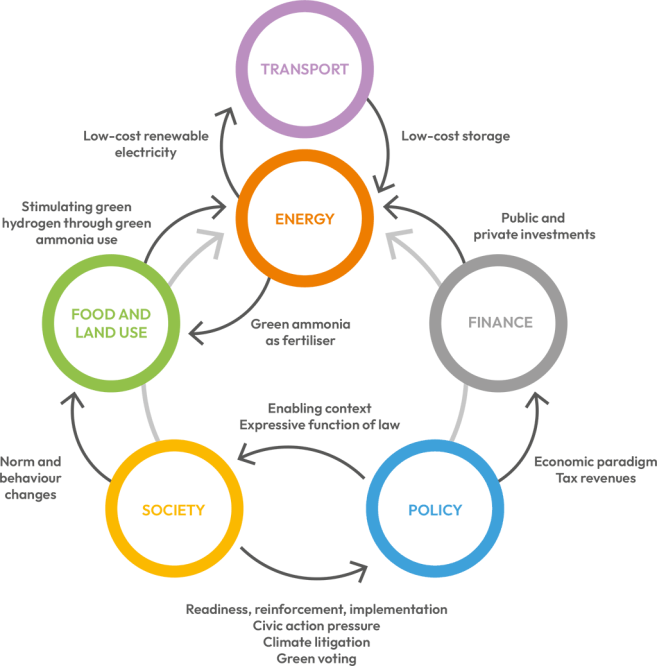
By understanding the interconnectedness of a system, we can find "leverage points"—small changes that can lead to big improvements throughout the entire system. Instead of fighting symptoms, we can address the underlying structures that cause problems in the first place.
Ready to check your understanding?
What is the primary focus of systems thinking?
A city is experiencing severe traffic congestion. Which of the following statements represents a linear thinking approach to the problem?
This way of thinking is a powerful tool. It encourages us to look beyond the obvious, ask deeper questions, and appreciate the complex beauty of the systems all around us.