Mastering Systems Analysis and Design
Introduction to Systems Analysis and Design
Blueprint for a System
You wouldn't build a house without a blueprint. You'd first talk to the family who will live there, understand their needs, sketch out the rooms, and plan the plumbing and electricity. Only then would you start laying the foundation. Building an information system—whether it's a mobile app, a company's inventory tracker, or a website—works the same way.
Systems Analysis and Design is the process of creating that blueprint. It's a structured approach for understanding a problem, planning a solution, and creating a map for developers to follow. It bridges the gap between what people need and what technology can deliver.
Systems Analysis and Design
noun
A systematic approach to identifying problems, opportunities, and objectives; analyzing the information flows in organizations; and designing computerized information systems to solve a problem.
Without this discipline, projects often fail. Teams might build a brilliant piece of software that nobody actually needs, or create a system so complicated that it's impossible to use. Good analysis and design ensures that the final product is not only technically sound but also genuinely useful and aligned with the organization's goals.
The System Development Life Cycle
To keep projects organized, we use a framework called the System Development Life Cycle, or SDLC. Think of it as the overall roadmap for a project, from the initial idea to the finished product and beyond. It breaks the massive task of building a system into manageable stages, or phases.
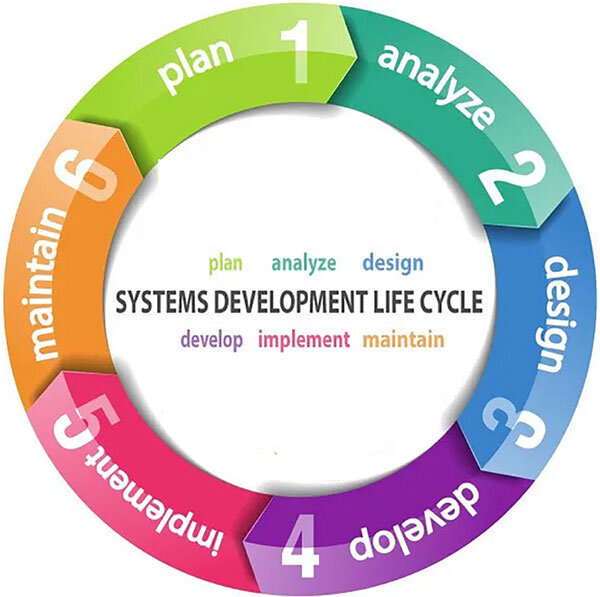
While the details can vary, the SDLC generally includes five core phases:
- Planning: This is the 'should we do this?' phase. The team defines the problem, investigates feasibility, and estimates the time and resources needed. The goal is to determine if the project makes business sense.
- Analysis: Here, the focus is on understanding the user's needs and the current system's shortcomings. The team gathers requirements by talking to stakeholders—the people who will actually use the system. The output is a clear picture of what the new system must do.
- Design: This phase is about how the system will do it. Analysts create the technical blueprint. They design the architecture, user interfaces, databases, and security measures. No code is written yet; this is purely the planning and modeling stage.
- Implementation: Now, the work shifts to developers. They take the design documents and write the code, build the databases, and create the final product. This phase also includes testing to make sure everything works as intended.
- Maintenance: A system's life doesn't end at launch. The maintenance phase involves fixing bugs, making updates, and providing support to users. This phase often lasts much longer than all the others combined.
Choosing a Path
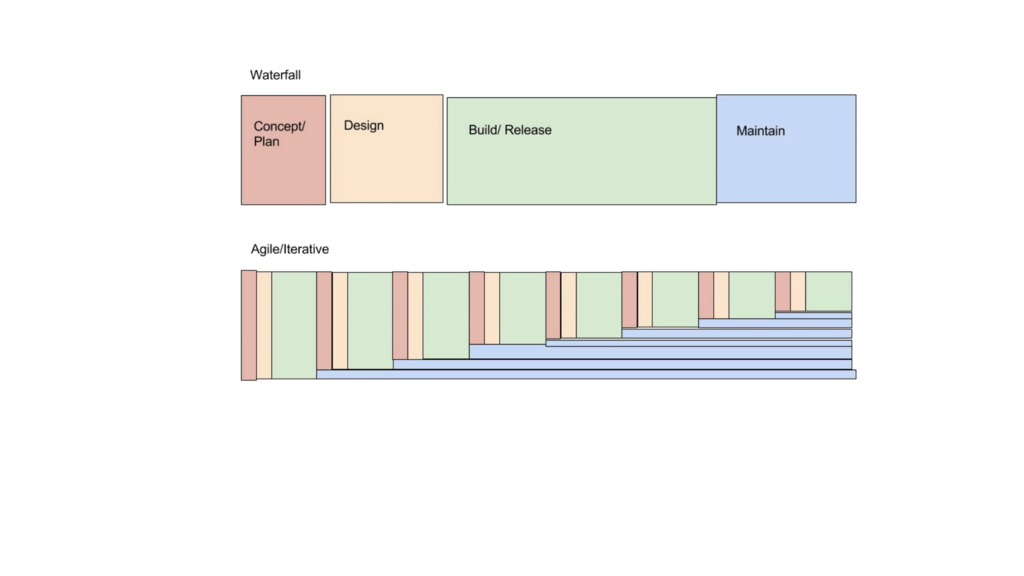
The SDLC tells you what phases to go through, but a development methodology tells you how to navigate them. It’s the specific strategy your team follows. There are many methodologies, but most fall into a few key families.
The Waterfall Model
This is the traditional, old-school approach. Just like a real waterfall, development flows in one direction: down. You complete the Planning phase entirely before moving to Analysis. You finish all Analysis before starting Design. Each phase must be 100% complete and signed off before the next one begins. It's rigid and structured.
Agile Methodologies
Agile is a modern response to the rigidity of Waterfall. Instead of building the entire system at once, Agile teams build it in small, iterative pieces. The team works in short cycles called 'sprints', delivering a small, working part of the product at the end of each one. This approach allows for flexibility, as requirements can be adjusted between sprints based on user feedback.
The Spiral Model
The Spiral model is a more risk-focused approach, blending elements of both Waterfall and Agile. The project progresses through the SDLC phases in multiple loops, or spirals. Each loop starts with identifying risks and creating a prototype to test solutions before moving on to the next spiral. It’s useful for large, complex, and high-risk projects where requirements aren't fully understood at the start.
| Methodology | Best For... | Key Advantage | Main Disadvantage |
|---|---|---|---|
| Waterfall | Projects with clear, fixed requirements that won't change. | Simple to manage and understand. | Very inflexible; a change late in the project is costly. |
| Agile | Projects where requirements are expected to evolve. | Highly flexible and responsive to change. | Less predictable in terms of final cost and timeline. |
| Spiral | Large, complex, or risky projects. | Excellent for risk management. | Can be complex and expensive to implement. |
Choosing the right methodology is crucial. A team building a simple marketing website with a fixed design might succeed with Waterfall. A startup developing a brand-new mobile app in a fast-moving market would likely choose Agile to adapt to user feedback quickly.
What is the primary goal of Systems Analysis and Design?
A project team is conducting interviews with employees to understand their daily tasks and identify problems with the current software. Which phase of the System Development Life Cycle (SDLC) are they in?
Understanding these foundational concepts—the purpose of SAD, the phases of the SDLC, and the different methodologies—is the first step toward building effective and successful information systems.