Mastering System Calls
Introduction to System Calls
The Gatekeeper
Your applications can't do much on their own. When you want to save a file, open a web page, or even just display text on the screen, your app needs help. It has to ask the operating system to perform these actions for it. This request is called a system call.
System calls are the interface between user programs and the operating system, allowing applications to request services like file access, process control, or device handling.
Think of the operating system's core, the kernel, as a highly secure library. You, a user program, can't just walk in and grab any book (or hardware resource) you want. Instead, you must go to the front desk and ask the librarian (the kernel) for what you need. A system call is that formal request. This process ensures that programs play by the rules and don't interfere with each other or damage the system.
User Mode vs. Kernel Mode
To enforce this separation, CPUs have at least two modes of operation: user mode and kernel mode. Your applications, like your web browser or text editor, run in user mode. This is a restricted mode with limited access. It's a safety sandbox where a buggy or malicious program can't bring down the whole computer.
User mode prevents an application from directly accessing hardware or critical memory. It must ask the kernel for permission.
The kernel runs in the privileged kernel mode. In this mode, the OS has unrestricted access to all hardware and memory. It's the only part of the system that can directly talk to the CPU, manage memory, and control devices. The only legitimate way for a program to switch from user mode to kernel mode is by making a system call. This transition is a carefully controlled handoff. The application pauses, the OS takes over, performs the requested task in its privileged mode, and then hands control back to the application in user mode.
This strict separation is the cornerstone of modern operating systems. It ensures stability, because a crashing application in user mode won't crash the kernel. It also provides security, as the kernel can validate every request and deny any that are unauthorized or dangerous.
Managing Resources and Security
Every time a program needs to interact with the outside world, it uses a system call. Need to read data from a file? That’s a system call. Want to allocate more memory? System call. Need to send a packet over the network? You guessed it, another system call.
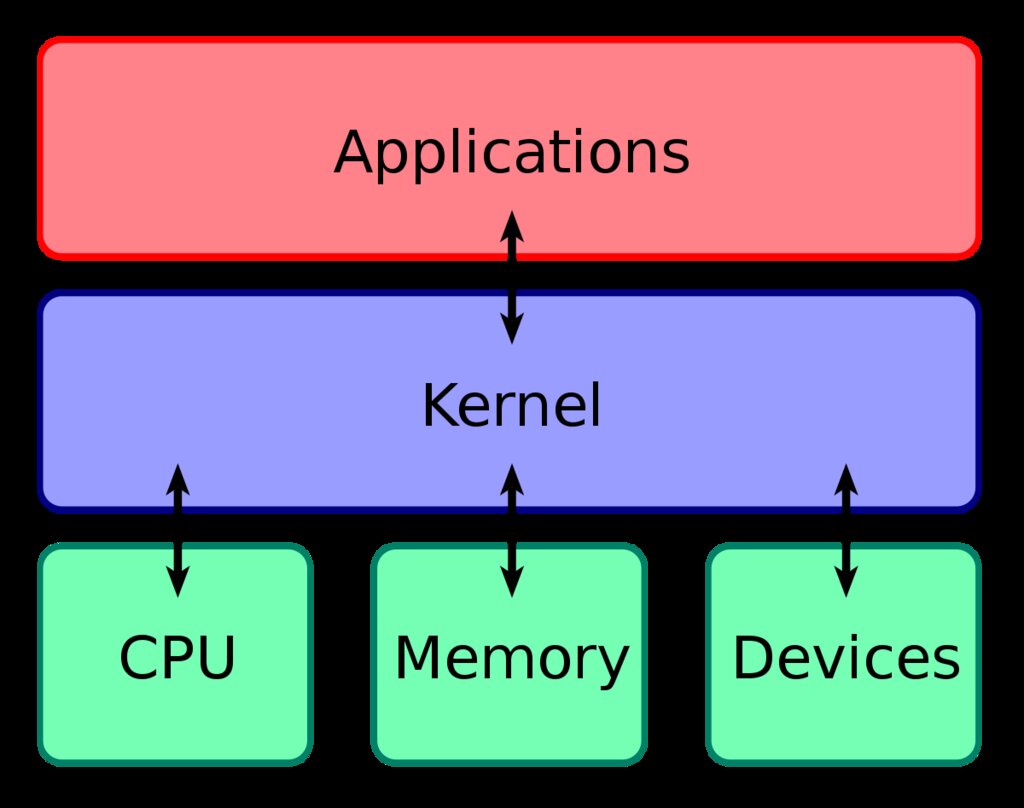
This centralization of control is crucial for security. The kernel acts as a bouncer, checking every request. It ensures that one program can't read or overwrite the files of another program unless it has explicit permission. It prevents a greedy application from hogging all the CPU time or memory, ensuring the system remains responsive for all users and processes.
Without system calls, every application would have to know how to operate every piece of hardware directly. This would not only be incredibly complex but also a security nightmare. System calls provide a clean, abstract, and secure API (Application Programming Interface) for the powerful services offered by the operating system kernel.
What is the primary function of a system call?
In which CPU mode do standard applications, like your web browser or text editor, typically execute?