Mastering Swing Trading
Introduction to Swing Trading
Finding the Middle Ground
Imagine the stock market as an ocean. Some people try to ride the tiny ripples that happen every few minutes, while others wait for the massive tides that take years to shift. Swing trading is like surfing the waves in between. It's a strategy focused on capturing price movements, or 'swings,' that happen over a few days to a few weeks.
Swing trading is an approach to trading that focuses on capturing gains within a medium-term time frame, typically ranging from a few days to several weeks.
The goal isn't to catch every tiny fluctuation, nor is it to hold an asset for a decade. Instead, a swing trader aims to profit from the momentum of a stock or other asset as it moves from a low point (a swing low) to a high point (a swing high), or vice versa. They get in, ride the wave, and get out before it crashes, then look for the next one.
How It Compares
To really understand swing trading, it helps to see it next to other popular styles. The key difference is the holding period—how long you own the asset.
| Trading Style | Holding Period | Focus | Activity Level |
|---|---|---|---|
| Day Trading | Minutes to Hours | Tiny price changes | Very High |
| Swing Trading | Days to Weeks | Market 'swings' | Moderate |
| Long-Term Investing | Months to Years | Company fundamentals | Low |
Day traders are in and out of positions within the same day. They make many trades, trying to profit from small, rapid price changes. It requires constant attention.
Long-term investors buy assets and hold them for months or years. They believe in the fundamental value of the company or asset and are willing to wait for it to grow, ignoring short-term noise.
Swing trading sits right in the middle. It's more active than long-term investing but doesn't demand the constant screen-time of day trading. This makes it a popular choice for people who can't watch the market every second but still want to trade actively.
Swing trading lets you take advantage of market momentum without being glued to your screen all day.
What You Can Trade
One of the appeals of swing trading is its versatility. The strategy can be applied to a wide range of financial instruments, as long as they have enough liquidity (meaning you can buy and sell them easily) and volatility (meaning their prices move around enough to create swings).
Commonly traded instruments include:
- Stocks: Shares of individual companies, especially those with a lot of trading volume.
- ETFs (Exchange-Traded Funds): Baskets of stocks or other assets that trade like a single stock. They're great for betting on an entire industry or index.
- Futures: Contracts to buy or sell an asset at a predetermined future price. These are common for commodities like oil or gold.
- Forex (Foreign Exchange): Trading currency pairs, like the Euro versus the U.S. Dollar.
Reading the Currents
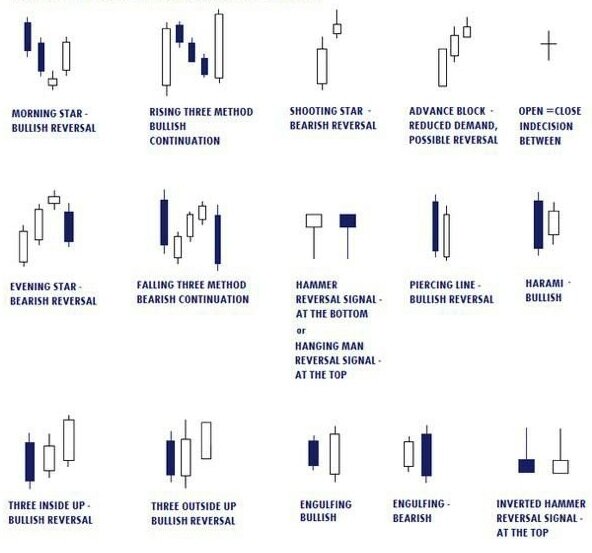
A swing trader's primary tool is technical analysis. This involves looking at price charts and other data to identify patterns and trends. The idea is that past price movements can give clues about where the price might go next. You don't need to be a financial wizard to start, but understanding the basics of trends is crucial.
Is the price generally moving up (an uptrend), down (a downtrend), or sideways? Identifying the overall trend is the first step in finding a good swing trade.
By spotting a stock that's in a clear uptrend and has just pulled back temporarily, a swing trader might see an opportunity to buy. They're betting the stock will 'swing' back up and continue its trend. This focus on price action is what separates swing trading from long-term investing, which is more concerned with a company's financial health and business prospects.
Time to check your understanding.
What is the main objective of a swing trader?
Swing trading's holding period is typically longer than a day trader's but shorter than a long-term investor's.
Now you know the fundamentals of what swing trading is, how it differs from other approaches, and what traders look for to find opportunities.