Mastering Supply Chain Management
Introduction to Supply Chain Management
What Is a Supply Chain?
Think about the smartphone in your pocket or the coffee you drank this morning. Neither appeared out of thin air. The phone’s journey started in mines and labs, where raw materials were extracted and components were designed. The coffee began as a bean on a farm, possibly thousands of miles away. The complex path from raw material to finished product in your hands is a supply chain.
Supply chain management (SCM) is the art and science of managing this entire flow. It’s about getting the right products to the right place, at the right time, in the right quantity, and at the right cost.
Supply Chain Management (SCM) encompasses the coordinated management of resources, materials, information, and finances as a product or service moves from supplier to manufacturer to wholesaler to retailer to consumer.
It’s not just about moving physical goods. SCM also involves managing the flow of information (like orders and shipping updates) and finances (like payments and credit) that move in both directions along the chain.
The Five Core Components
A supply chain can be broken down into five main components. While they're often listed in order, think of them as an interconnected cycle where information and feedback constantly flow between stages.
1. Plan This is the strategy stage. Before anything is made or moved, a company must plan. This involves forecasting customer demand, managing inventory, and determining what resources are needed. The goal is to balance supply and demand to avoid having too much product (which costs money to store) or too little (which leads to lost sales).
2. Source Next, companies must choose suppliers to provide the raw materials, parts, or services needed to create their product. This isn't just about finding the cheapest option. Sourcing involves negotiating contracts, managing supplier relationships, and ensuring the quality of the materials.
3. Make This is the manufacturing or production step. It involves scheduling the activities needed for production, testing, packaging, and preparing the product for delivery. Efficiency is key here, as companies aim to produce high-quality goods while minimizing waste and production time.
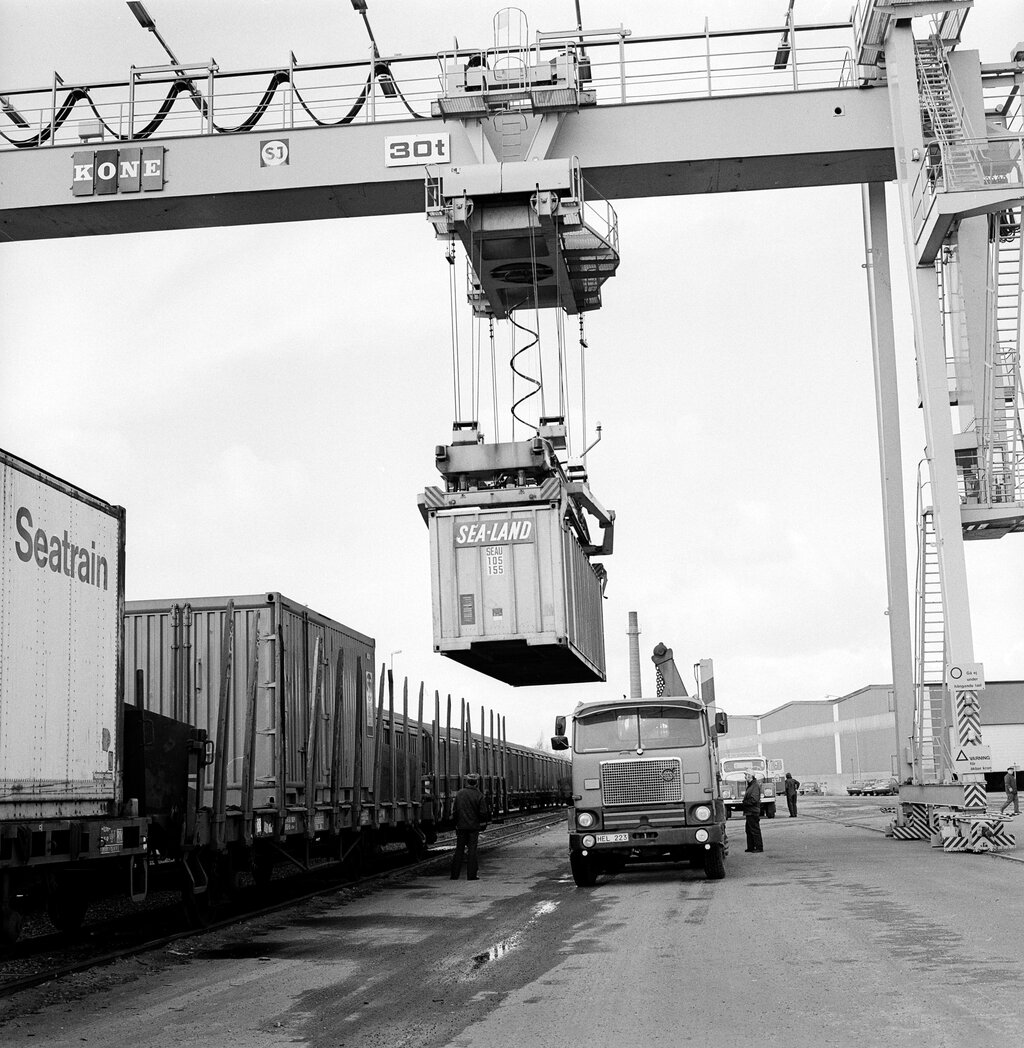
4. Deliver Often called logistics, this component is about getting the product to the customer. It covers everything from managing orders and scheduling deliveries to dispatching loads and invoicing customers. This includes transportation, warehousing, and distribution.
5. Return Sometimes, things need to come back. This stage, also known as reverse logistics, handles the return of defective, excess, or unwanted products from customers. It also includes support for customers with problems, as well as processes for recycling or disposal.
Why It Matters
Effective supply chain management is a powerful competitive advantage. When all parts of the chain work together seamlessly, businesses see significant benefits.
A well-run supply chain leads to lower costs, faster delivery, and happier customers.
Key benefits include:
- Reduced Costs: By optimizing inventory, transportation, and manufacturing, companies can cut waste and reduce operational expenses.
- Increased Efficiency: Smooth coordination between suppliers, manufacturers, and distributors ensures that resources are used effectively, from raw materials to labor.
- Better Customer Satisfaction: Getting the right product to the right person at the right time is the ultimate goal. Good SCM minimizes delays and stockouts, which keeps customers happy.
- Improved Resilience: A well-designed supply chain can better withstand disruptions, whether from natural disasters, supplier issues, or sudden shifts in demand.
The key is integration. The five components don't operate in isolation. They are part of a coordinated network where information is shared constantly. A delay in sourcing materials will affect the manufacturing schedule, which in turn impacts delivery timelines. Success depends on every link in the chain working together.
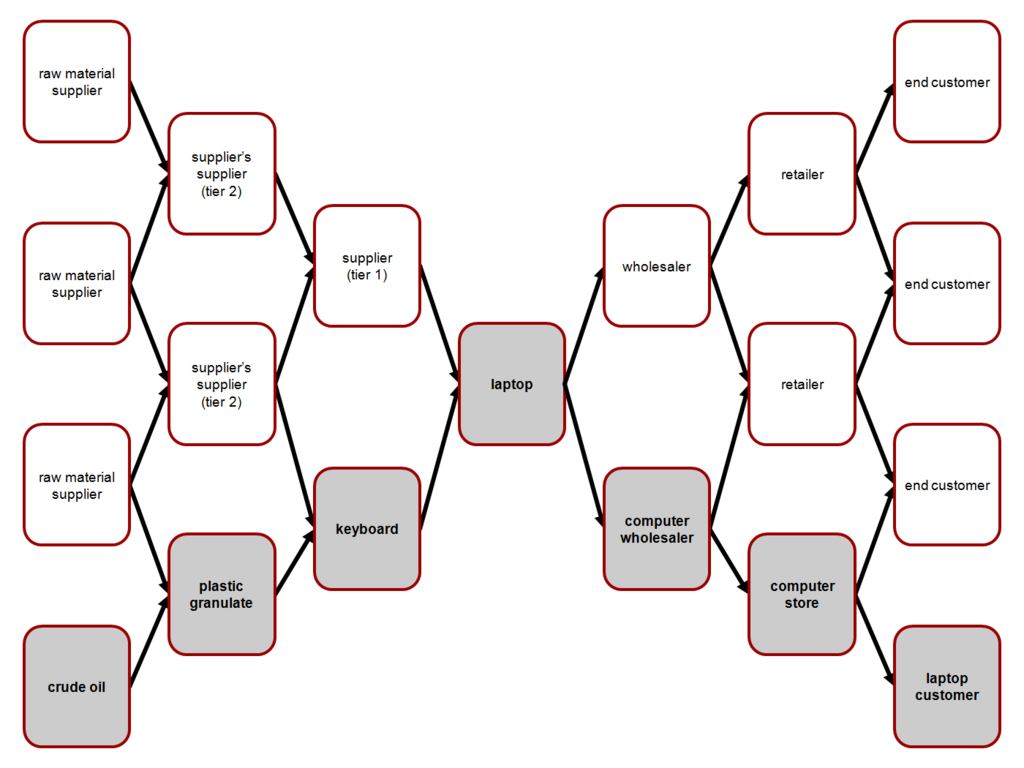
This integration turns a simple sequence of steps into a dynamic, responsive system. It's how businesses can adapt to changing market conditions and consistently deliver value to their customers.
An effective supply chain is much more than the sum of its parts.
Now, let's review what you've learned about the fundamentals of supply chain management.
What is the primary goal of Supply Chain Management (SCM)?
A smartphone company is negotiating contracts with various suppliers for processors and screens. This activity belongs to which component of the supply chain?
By understanding these core concepts, you can see how crucial SCM is for any business that makes or sells a product. It's the hidden backbone of the global economy, ensuring that goods and services flow smoothly from creation to consumption.