Mastering Structured Prompts
Introduction to AI Models
The Brains of the Operation
Artificial intelligence, or AI, is a broad field of computer science focused on creating machines that can perform tasks that typically require human intelligence. This includes things like learning, reasoning, problem-solving, and understanding language.
Think of it like teaching a computer. Instead of giving it a strict set of rules for every single situation, you create a system that can learn from experience. A subset of AI called machine learning is central to this. Machine learning algorithms allow a computer to analyze huge amounts of data, identify patterns, and make decisions with minimal human intervention. Over time, it gets better at its job, just like a person practicing a new skill.
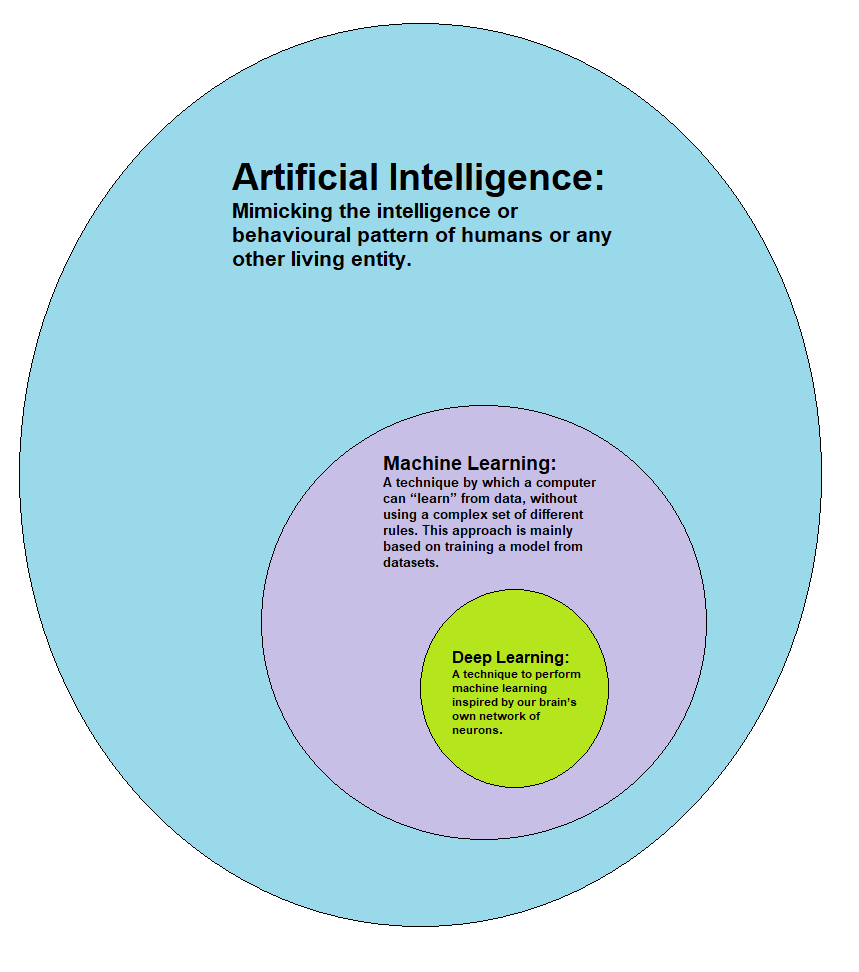
Within machine learning, there are many types of models designed for specific tasks. Some are great at recognizing images, while others excel at forecasting sales. The models we'll focus on are specialists in a skill that is uniquely human: language.
Meet Large Language Models
A Large Language Model (LLM) is a type of AI that has been trained on a massive amount of text data. The goal is for the model to understand and generate human language. To get a sense of the scale, imagine someone reading almost every book, article, and website on the entire internet. After consuming all that information, they would have a deep understanding of grammar, context, facts, reasoning styles, and nuance.
Large Language Model
noun
An AI model trained on vast amounts of text data to understand, generate, and work with human language.
The “large” in LLM refers to two things: the enormous size of the dataset it trains on and the huge number of parameters the model uses to make decisions. These parameters are like the knobs and dials the model adjusts during training to fine-tune its understanding of language. This extensive training is what allows an LLM to generate text that is coherent, contextually relevant, and often indistinguishable from what a human would write.
At its core, an LLM works by predicting the next most likely word in a sequence. Given the input "The sky is," it calculates that "blue" is a very probable next word. It does this over and over to build sentences and paragraphs.
LLMs in the Wild
You've likely interacted with LLMs without even realizing it. They are the technology behind many modern applications.
Some common uses include:
- Conversational AI: Chatbots and virtual assistants like Siri or Alexa use LLMs to understand your questions and provide helpful answers.
- Content Creation: LLMs can help draft emails, write code, create marketing copy, or even generate blog posts and scripts.
- Summarization: Need the key points from a long research paper or a dense report? An LLM can read the entire document and provide a concise summary.
- Translation: Modern translation services use LLMs to provide more accurate and natural-sounding translations between languages.
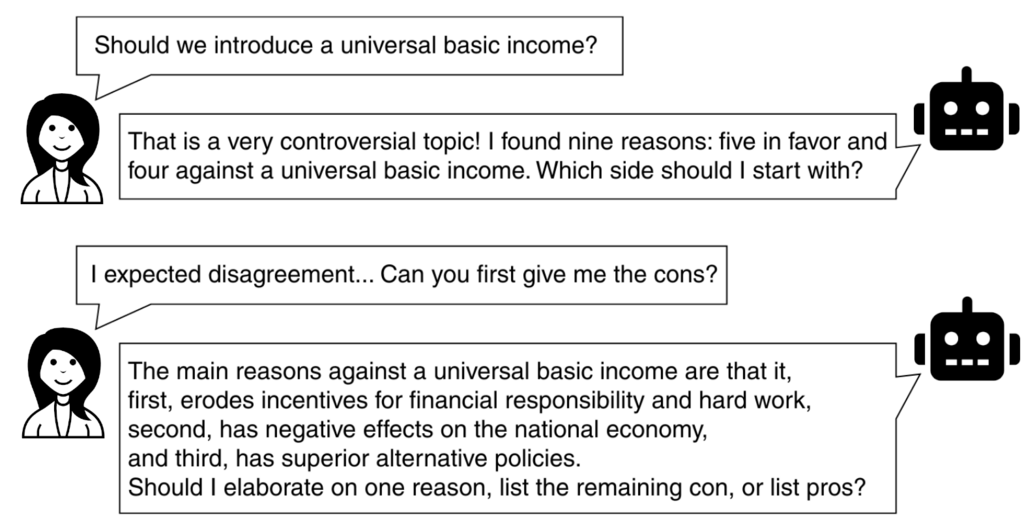
The versatility of LLMs means they are being integrated into nearly every industry, from helping doctors analyze medical notes to helping developers write software more efficiently. Understanding how they work is the first step to leveraging their power.
Let's review the key terms we've covered.
Now, check your understanding with a few questions.
What is the primary goal of Artificial Intelligence (AI)?
Which statement best describes the relationship between Artificial Intelligence (AI) and Machine Learning (ML)?
With this foundation, you're ready to start exploring how to communicate effectively with these powerful models.