Mastering Stress Through Daily Meditation
Understanding Stress
What is Stress?
You’re stuck in traffic, and you're late for an important meeting. Your heart starts pounding, your palms get sweaty, and you feel a knot in your stomach. This physical and mental response is stress. It’s your body's natural reaction to challenges or demands.
When you perceive a threat—whether it's a looming deadline or a near-miss on the highway—your brain triggers an alarm system. This is often called the "fight-or-flight" response. It’s a survival mechanism that prepares you to either confront the danger or flee to safety.
This ancient biological response doesn't distinguish between a saber-toothed tiger and a traffic jam. The alarm bells ring all the same.
This alarm prompts your adrenal glands to release a surge of hormones, including adrenaline and cortisol. Adrenaline increases your heart rate, elevates your blood pressure, and boosts energy supplies. Cortisol, the primary stress hormone, increases sugars (glucose) in the bloodstream and enhances your brain's use of glucose. It also curbs functions that would be nonessential in a fight-or-flight situation, like your immune and digestive systems.
Not all stress is bad. Short bursts of stress can be beneficial. It's what helps you slam on the brakes to avoid an accident or gives you the focus to finish a project on time. This positive stress is sometimes called eustress. The problems begin when the stress doesn't go away.
How Stress Affects Your Body
When you're stressed, you feel it throughout your body. Your muscles might tense up, leading to headaches, back pain, or shoulder aches. You might experience stomach cramps or digestive issues because your body is diverting energy away from digestion.
This physical reaction is managed by a complex network called the hypothalamic-pituitary-adrenal (HPA) axis. The hypothalamus, a tiny region at the base of your brain, sets off the alarm. This signals the pituitary gland, which in turn tells the adrenal glands (located on top of your kidneys) to release cortisol.
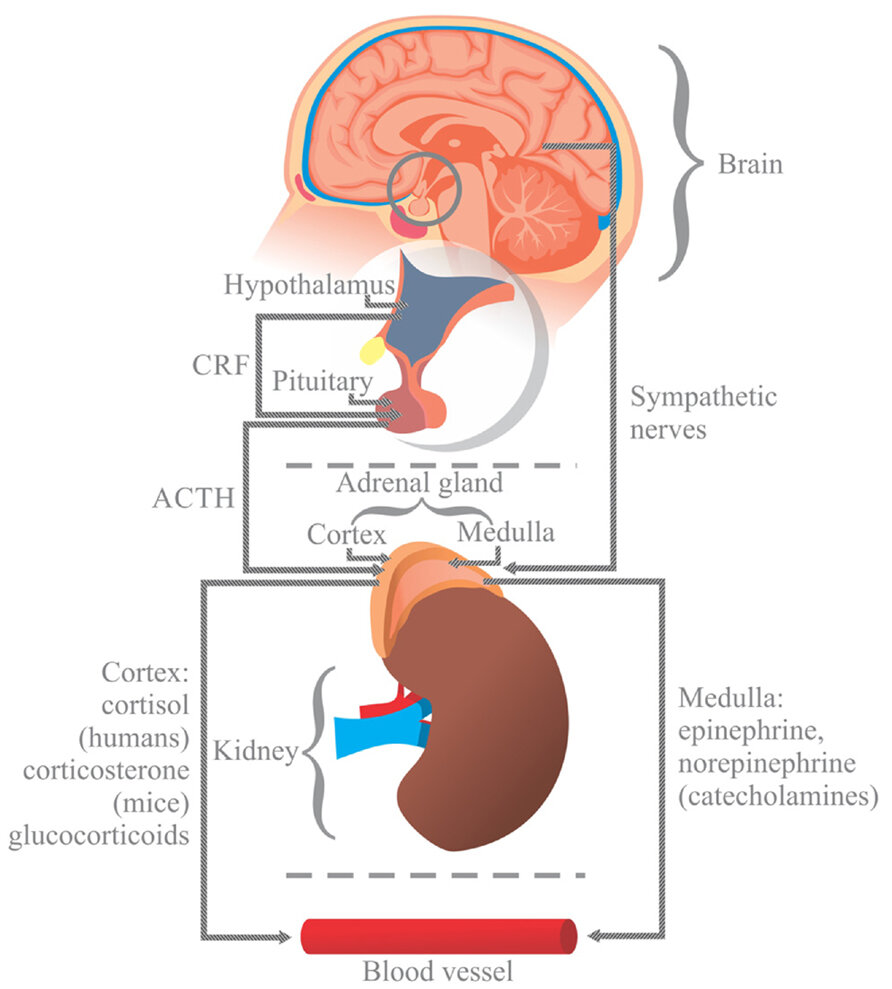
This system is designed to be self-regulating. Once the perceived threat passes, cortisol levels should fall, and your body's systems should return to normal. Your heart rate slows, your blood pressure drops, and you start to relax. But if the stressors are always present, that off-switch may never get flipped.
Stress and Your Mind
Stress doesn't just impact your body; it heavily influences your thoughts and feelings. When you're under stress, you might find it hard to concentrate or make decisions. You may feel anxious, irritable, or moody. It's common to feel overwhelmed when demands seem to pile up from every direction.
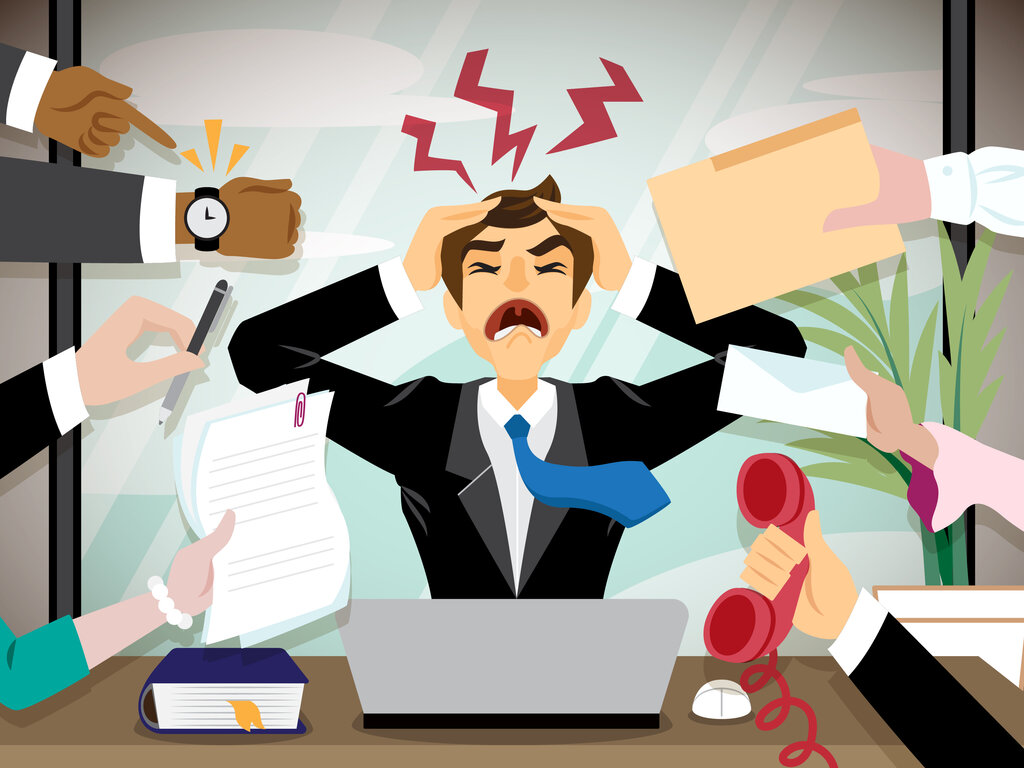
Psychological signs of stress include:
- Difficulty concentrating
- Anxious or racing thoughts
- Constant worrying
- Irritability or a short temper
- Feeling overwhelmed or sad
These feelings are a normal part of the stress response. Your brain is on high alert, scanning for potential threats, which can make it hard to focus on anything else. Your emotional reserves get depleted, leaving you feeling impatient or easily frustrated.
When Stress Sticks Around
The human body is great at handling short bursts of stress. But when the stress response stays activated for an extended period, it becomes chronic stress. This long-term activation can disrupt almost all your body's processes and put you at increased risk for numerous health problems.
While helpful for the occasional high-stress event, long-term exposure to stress hormones can be more harmful to your physical health in the long run.
Chronic stress constantly bombards your body with cortisol and other stress hormones. This can lead to persistent inflammation and wear and tear on your systems. The link between the mind and body is particularly evident here, as chronic stress can contribute to both physical and mental health disorders.
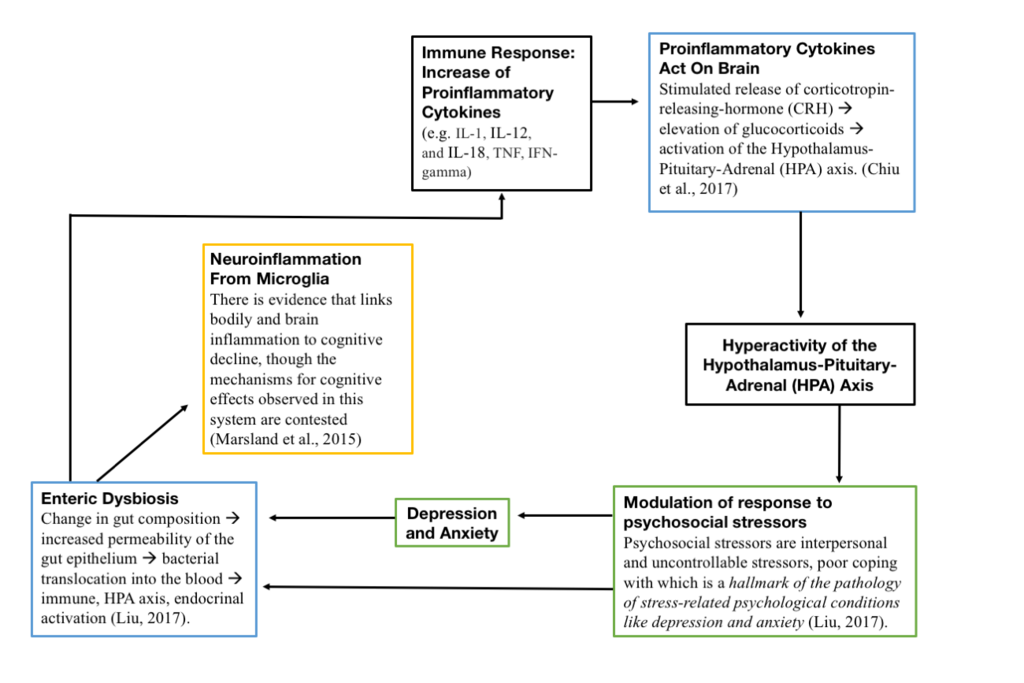
Consistently high stress levels can have serious consequences across your body.
| Body System | Health Consequences of Chronic Stress |
|---|---|
| Cardiovascular | High blood pressure, heart attack, stroke |
| Immune | Weakened immune response, more frequent colds and infections |
| Digestive | Stomachaches, acid reflux, increased risk of ulcers |
| Mental Health | Anxiety, depression, sleep problems, memory impairment |
| Metabolic | Weight gain, increased risk of type 2 diabetes |
This is why understanding and managing stress is not a luxury—it's essential for long-term health. By recognizing the signs of stress in your own body and mind, you can take steps to prevent it from becoming a chronic issue. Addressing the root causes of your stress and developing healthy coping strategies can protect your well-being now and in the future.
Which two hormones are primarily released by the adrenal glands during the "fight-or-flight" response?
Place the following glands in the correct order of activation in the hypothalamic-pituitary-adrenal (HPA) axis.