Mastering Stress Through Daily Meditation
Understanding Stress
What is Stress?
Stress is your body's natural response to a challenge or demand. Think of it as a burst of energy that helps you handle a tough situation, whether it's swerving to avoid a car accident or focusing to ace a final exam. In small doses, this response is helpful. It keeps you alert and ready to act.
But not all stress is the same. There's a difference between the short-term pressure that sharpens your focus and the long-term strain that wears you down. The key is how your body handles these demands over time.
Stress isn't the event itself, but how your mind and body react to it. The same event can be exciting for one person and terrifying for another.
The Body's Alarm System
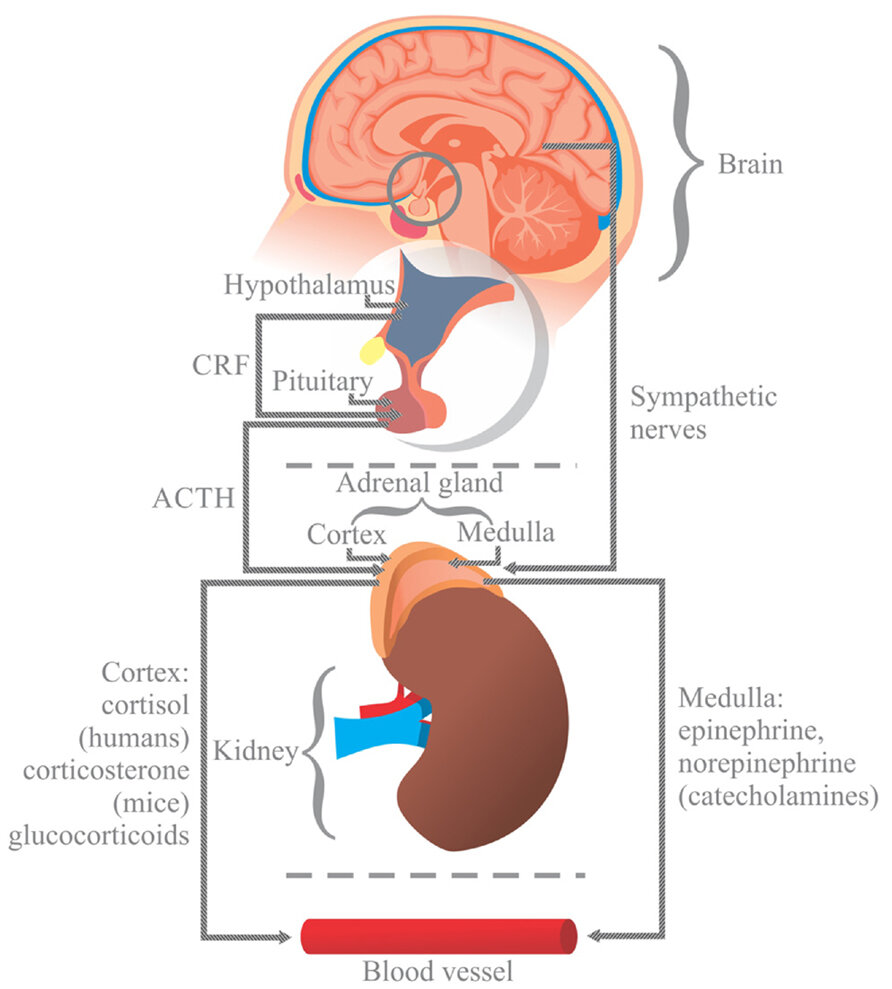
When you perceive a threat, your brain's hypothalamus sets off an alarm. This triggers a cascade of nerve and hormone signals, a process often called the "fight-or-flight" response. Your adrenal glands release a surge of hormones, including adrenaline and cortisol.
Adrenaline increases your heart rate, elevates your blood pressure, and boosts your energy. Cortisol, the primary stress hormone, increases sugars (glucose) in the bloodstream, enhances your brain's use of glucose, and curbs functions that would be nonessential in a fight-or-flight situation. It alters immune system responses and suppresses the digestive system, the reproductive system, and growth processes.
Cortisol
noun
A steroid hormone produced by the adrenal glands that is released in response to stress. It plays a key role in regulating a wide range of processes throughout the body, including metabolism and the immune response.
This complex hormonal response is designed to help you survive immediate danger. Once the threat passes, hormone levels are supposed to return to normal. Your heart rate slows, your blood pressure drops, and your other systems resume their regular activities.
Mind Under Pressure
Stress affects more than just your body; it has a powerful impact on your thoughts and feelings. When you're stressed, you might find it hard to concentrate or make decisions. You may feel irritable, anxious, or sad. It can feel like your mind is racing, jumping from one worry to the next without a break.
These psychological effects are just as real as the physical ones. You might experience a lack of motivation, feel overwhelmed, or have trouble sleeping. These are all common mental responses to the constant activation of your body's alarm system.

When the Alarm Stays On
The fight-or-flight response is incredibly effective for short-term emergencies. But when stressors are always present, that alarm system stays on. This is known as chronic stress, and it can seriously disrupt your health.
With chronic stress, your body is constantly flooded with cortisol and other stress hormones. This prolonged activation can throw almost all of your body's processes out of whack, increasing your risk for numerous health problems.
| System | Acute (Short-Term) Stress | Chronic (Long-Term) Stress |
|---|---|---|
| Cardiovascular | Increased heart rate, higher blood pressure | Increased risk of heart attack, stroke, hypertension |
| Immune | Brief enhancement | Weakened immune response, more frequent illness |
| Digestive | Slowed digestion | Upset stomach, ulcers, IBS, weight gain |
| Mental Health | Heightened focus | Anxiety, depression, sleep problems, memory impairment |
This is why stress management is so crucial. It’s not about eliminating stress entirely—that's impossible. It's about learning how to manage the stressors in your life so your alarm system can turn off and your body can rest and repair.
Stress management was developed and premised on the idea that stress is not a direct response to a stressor but rather an individual's resources and abilities to cope and mediate the stress response which are amenable to change, thus allowing stress to be controllable.
By developing tools to cope with challenges, you can prevent stress from becoming a chronic issue and protect your long-term health.