Mastering Stress Through Daily Meditation
Understanding Chronic Stress
The Body's Alarm System
Your body's reaction to a sudden threat is fast and automatic. Imagine stepping off a curb and seeing a car speeding toward you. Instantly, your heart pounds, your breathing quickens, and you feel a surge of energy to jump back. This is your sympathetic nervous system (SNS) at work, triggering the famous "fight-or-flight" response.
This system floods your body with adrenaline, preparing you for immediate, physical action. It's a brilliant survival mechanism designed for short-term emergencies. Once the danger passes, the parasympathetic nervous system takes over, calming everything down. Your heart rate slows, your breathing returns to normal, and your body goes back to its regular business.
When the Alarm Stays On
But what happens when the stress isn't a speeding car, but a demanding job, financial worries, or a difficult relationship? When stress doesn't go away, your body activates a second, slower-moving stress response system: the hypothalamic-pituitary-adrenal (HPA) axis.
Think of the HPA axis as the body's long-term stress manager. The hypothalamus in your brain signals the pituitary gland, which in turn tells the adrenal glands (located on top of your kidneys) to release cortisol, the body's primary stress hormone.
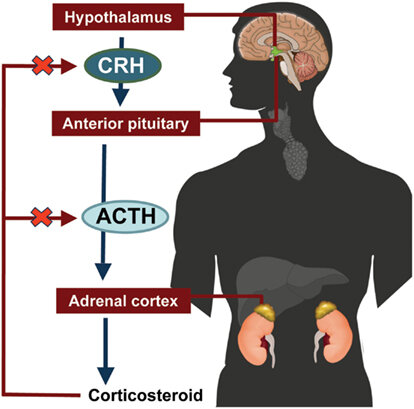
Cortisol is useful in small doses. It can reduce inflammation, regulate blood sugar, and help control your sleep-wake cycle. In a stressful situation, it keeps you alert and energized. But when stress is constant, the HPA axis keeps firing, leading to a steady, elevated level of cortisol in your bloodstream. This is where chronic stress begins to cause problems.
While helpful for the occasional high-stress event, long-term exposure to stress hormones can be more harmful to your physical health in the long run.
Physical and Mental Consequences
Consistently high cortisol levels can disrupt nearly every system in your body. It’s like keeping an engine running in the red zone for too long—eventually, parts start to wear out.
Cardiovascular System: Chronic stress can lead to high blood pressure, an irregular heart rhythm, and an increased risk of heart attack and stroke. The constant demand on your heart takes a toll over time.
Digestive System: Ever had a stomachache when you were stressed? That's the gut-brain connection. Chronic stress can worsen conditions like acid reflux, irritable bowel syndrome (IBS), and ulcers. It can also alter your gut bacteria, which has wide-ranging effects on your health.
Immune System: While short-term cortisol can suppress inflammation, long-term exposure actually weakens your immune system. This makes you more susceptible to colds and other infections and can slow down your body's ability to heal.
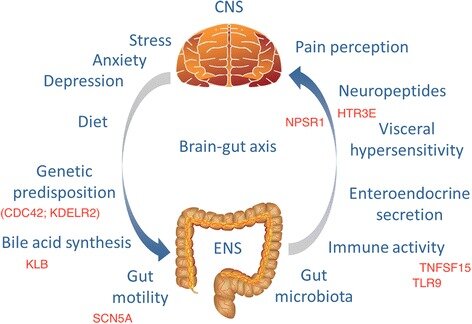
The effects aren't just physical. Your brain is highly sensitive to stress hormones. Prolonged exposure to cortisol can damage brain cells and even shrink the prefrontal cortex, the area responsible for memory and learning. This can manifest as:
- Anxiety: A feeling of constant worry, nervousness, or unease.
- Depression: Persistent sadness and a loss of interest in activities.
- Cognitive Issues: Difficulty concentrating, memory problems, and general "brain fog."
Recognizing that these physical and mental symptoms are connected to stress is the first step. They are signals that your body's alarm system has been active for too long and needs a chance to reset.
Chronic stress doesn't just make you feel bad emotionally; it triggers real, physical changes in your brain and body that can have lasting health consequences.
Now, let's test your knowledge of how stress affects the body.
Which part of the nervous system is responsible for the immediate 'fight-or-flight' response to a sudden threat?
When stress is prolonged, the HPA axis is activated, leading to the release of __________, the body's primary long-term stress hormone.
Understanding these mechanisms is crucial because it highlights why managing stress isn't just about feeling better, but about protecting your long-term physical and mental health.