Mastering Stress Management
Understanding Stress
What is Stress?
At its core, stress is your body's response to any demand or threat. When you sense danger, whether it’s real or imagined, your body's defenses kick into high gear in a rapid, automatic process known as the “fight-or-flight” reaction. This is your body preparing to protect you.
Stress is a process whereby an individual perceives and responds to events that one appraises as overwhelming or threatening to one’s well-being.
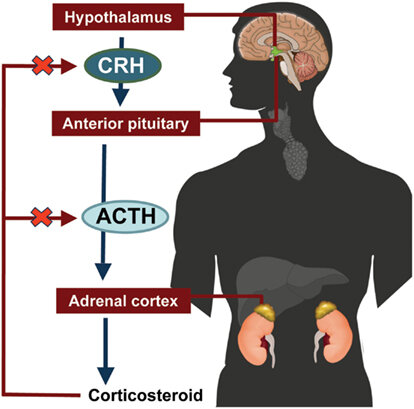
This response is driven by a cascade of hormones. It starts in a part of your brain called the hypothalamus, which signals the pituitary gland, which in turn signals the adrenal glands to release stress hormones like cortisol and adrenaline. This chain of command is called the Hypothalamic-Pituitary-Adrenal (HPA) axis. These hormones are the messengers that tell your body to get ready for action, increasing your heart rate, blood pressure, and energy supplies.
The Faces of Stress
Stress isn't a one-size-fits-all experience. It comes in different forms, depending on its duration and cause. Understanding the type of stress you're facing is the first step toward understanding its impact.
Acute Stress
noun
The most common form of stress. It’s the body's immediate reaction to a new and challenging situation—the fight-or-flight response in action. It's short-term and can be thrilling in small doses.
Examples include slamming on the brakes to avoid an accident, having an argument, or skiing down a steep slope. The effects are intense but pass quickly once the situation is resolved.
Chronic Stress
noun
This is long-term, grinding stress that goes on for weeks, months, or even years. The body's stress response stays activated, which can lead to serious health problems.
Chronic stress can come from a demanding job, an unhappy marriage, persistent financial trouble, or caring for a sick family member. Because the source is constant, the body never gets a clear signal to return to normal functioning.
A third type, traumatic stress, results from a shocking or dangerous event like a major accident, natural disaster, or assault. The effects can be long-lasting and may lead to conditions like Post-Traumatic Stress Disorder (PTSD).
How Stress Affects You
While the stress response is a survival mechanism, it can cause significant wear and tear on your body and mind when it's constantly turned on. This is especially true for chronic stress.

Physiological Effects
The constant flood of stress hormones can disrupt almost all of your body's processes. This can increase your risk of numerous health problems, including:
- Cardiovascular Disease: High blood pressure, heart attacks, and strokes.
- Weakened Immune System: Making you more vulnerable to infections and illnesses.
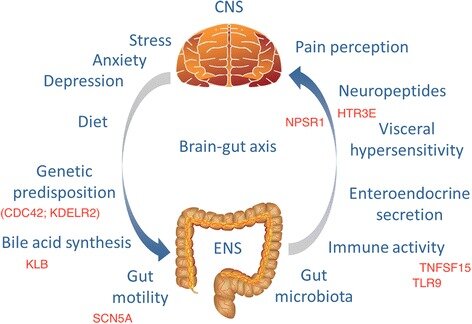
- Digestive Issues: Such as stomach cramps, acid reflux, and Irritable Bowel Syndrome (IBS). The connection between the brain and gut is so strong that emotional distress directly impacts digestive function.
- Muscle Pain: Tension in the shoulders, neck, and head can lead to chronic pain and migraines.
- Sleep Problems: Difficulty falling or staying asleep is a common symptom.
Psychological Effects
Mentally and emotionally, the toll of chronic stress can be just as severe. It can feel like you're always on edge, which drains your mental resources. Common psychological effects include:
- Anxiety and Irritability: A constant feeling of unease or being quick to anger.
- Depression: Persistent low mood and loss of interest in activities.
- Memory and Concentration Problems: Difficulty focusing, making decisions, or remembering things.
- Burnout: A state of emotional, physical, and mental exhaustion caused by prolonged stress.
- Feeling Overwhelmed: A sense that you can't handle the demands of your life.
Ready to test your knowledge? Take this short quiz to see what you've learned about the nature of stress.
What is the primary purpose of the “fight-or-flight” reaction?
Which sequence correctly describes the hormonal chain of command in the body's primary stress response, also known as the HPA axis?
Understanding what stress is and how it affects you is the first step. Recognizing its signs in your body and mind empowers you to see its impact on your overall health.