Mastering Stress and Burnout with CBT
Understanding Stress and Burnout
The Line Between Stress and Burnout
Stress is a normal part of life. It’s your body's reaction to a challenge or demand. When you face a tough deadline or a difficult conversation, your brain triggers a “fight-or-flight” response. This sends a flood of hormones like cortisol and adrenaline through your body, preparing you to act. Your heart pounds, your muscles tighten, and your senses become sharper. In short bursts, this reaction can be helpful, giving you the focus and energy to perform under pressure.
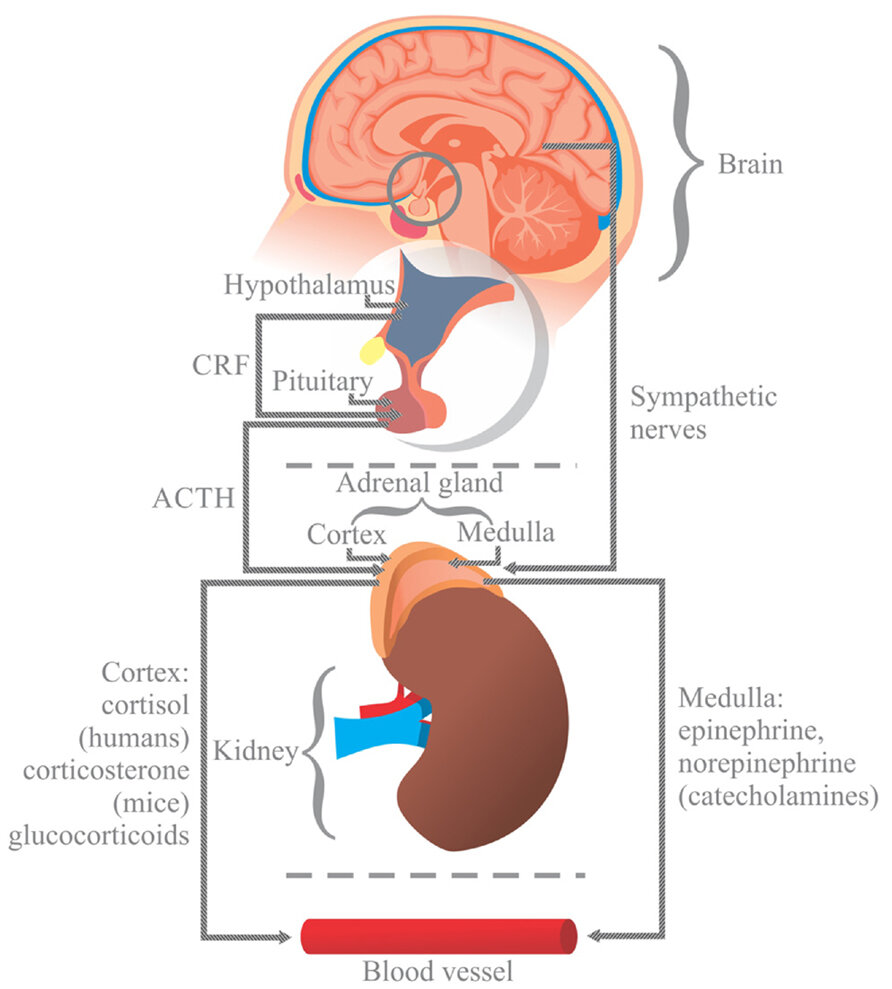
The problem isn't stress itself, but chronic stress. This happens when the challenges don't let up. Your body stays in that high-alert state for days, weeks, or even months. Instead of helping you, the constant hormonal flood starts to wear you down. This relentless pressure is what paves the way for burnout.
What is Burnout?
Burnout is more than just feeling tired or overworked. It’s a state of complete emotional, physical, and mental exhaustion caused by prolonged stress. Think of it like a car running out of gas. You can't just will it to go further; the tank is empty. People experiencing burnout often feel like they have nothing left to give and can lose their motivation and interest in things they once enjoyed.
Experts identify three main signs of burnout:
Emotional Exhaustion: Feeling drained, depleted, and unable to cope.
Depersonalization: Developing a cynical, detached, or negative attitude toward your job and colleagues. You might feel numb about your work.
Reduced Sense of Accomplishment: Doubting your abilities and feeling that you're no longer effective in your role. Your performance may suffer.
While stress and burnout are related, they aren't the same. Stress is often characterized by over-engagement, where problems feel urgent and you're hyperactive. Burnout is the opposite, marked by disengagement, blunted emotions, and a sense of helplessness.
| Feature | Stress | Burnout |
|---|---|---|
| Involvement | Over-engagement | Disengagement |
| Emotions | Hyperactive, urgent | Blunted, detached |
| Feeling | A sense of urgency and anxiety | A sense of helplessness and dread |
| Impact | Can lead to fatigue | Leads to exhaustion |
Recognizing the Signs
The causes of burnout are often rooted in your job or environment. Common triggers include an unmanageable workload, a lack of control over your tasks, unclear job expectations, or working in a dysfunctional team. It’s not a sign of personal failure but a response to an unsustainable situation.
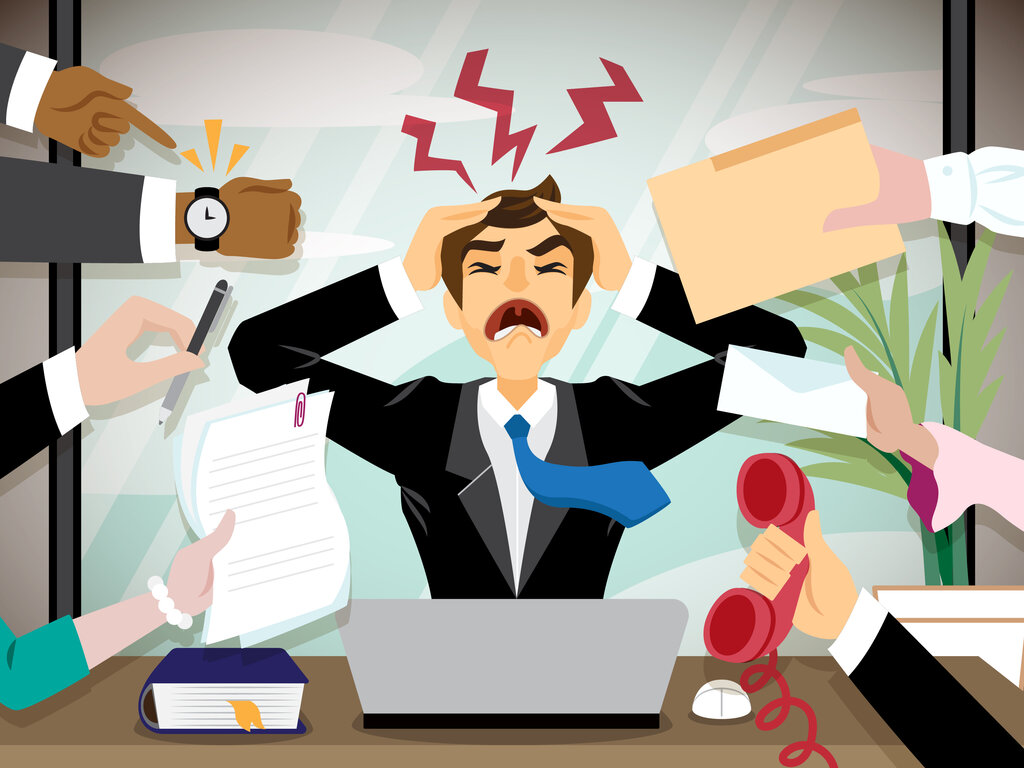
Ignoring the signs of burnout can have serious consequences for both your mental and physical health. It can lead to anxiety, depression, and sleep problems. Physically, chronic stress can weaken your immune system, making you more susceptible to illness. That's why catching it early is so important.
Recognizing that you're on the path to burnout is the first step. It's an opportunity to pause, reassess your situation, and figure out what needs to change before you're running on empty.
Early recognition and intervention are key. The sooner you identify the signs of burnout, the easier it is to address the root causes and prevent long-term harm.
Time to review the key concepts from this section.
Now, let's test your understanding.
What is the key difference between stress and burnout?
The body's immediate reaction to a challenge, involving a flood of hormones like cortisol and adrenaline, is known as the:
Understanding the difference between stress and burnout empowers you to manage your well-being more effectively.