Mastering Stress and Burnout with CBT
Understanding Stress and Burnout
The Nature of Stress
Stress is the body's natural reaction to any change that requires an adjustment or response. When you face a challenge, your body produces physical and mental responses. This isn't always a bad thing. Positive stress, sometimes called eustress, can help you stay focused and motivated. Think of the energy you feel before a big presentation or the excitement of starting a new project.
Negative stress, or distress, is what we usually mean when we say we're "stressed out." It’s the feeling of being overwhelmed by pressures that seem too much to handle. Both types of stress trigger the same physiological reaction: the "fight-or-flight" response. Your brain’s hypothalamus sets off an alarm system, prompting your adrenal glands to release hormones, including adrenaline and cortisol.
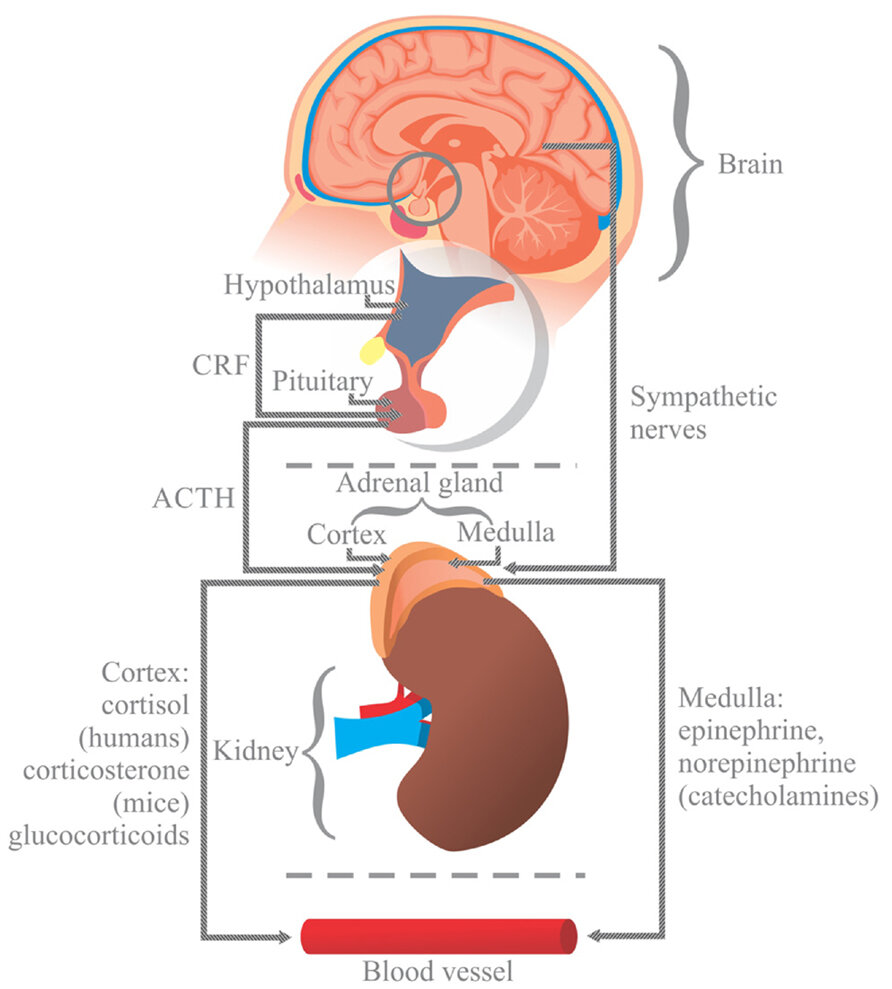
Adrenaline increases your heart rate and elevates your blood pressure. Cortisol, the primary stress hormone, increases sugars in the bloodstream and enhances your brain's use of glucose. This system is designed to help you survive a short-term threat. But when the stressor doesn't go away, the response system stays switched on.
From Stress to Burnout
Chronic stress occurs when your body remains in a high-alert state for a prolonged period. The constant flood of stress hormones can disrupt almost all your body's processes. This puts you at increased risk for numerous health problems, including anxiety, depression, digestive issues, heart disease, and sleep problems. Psychologically, it can lead to irritability, difficulty concentrating, and a feeling of being constantly on edge.
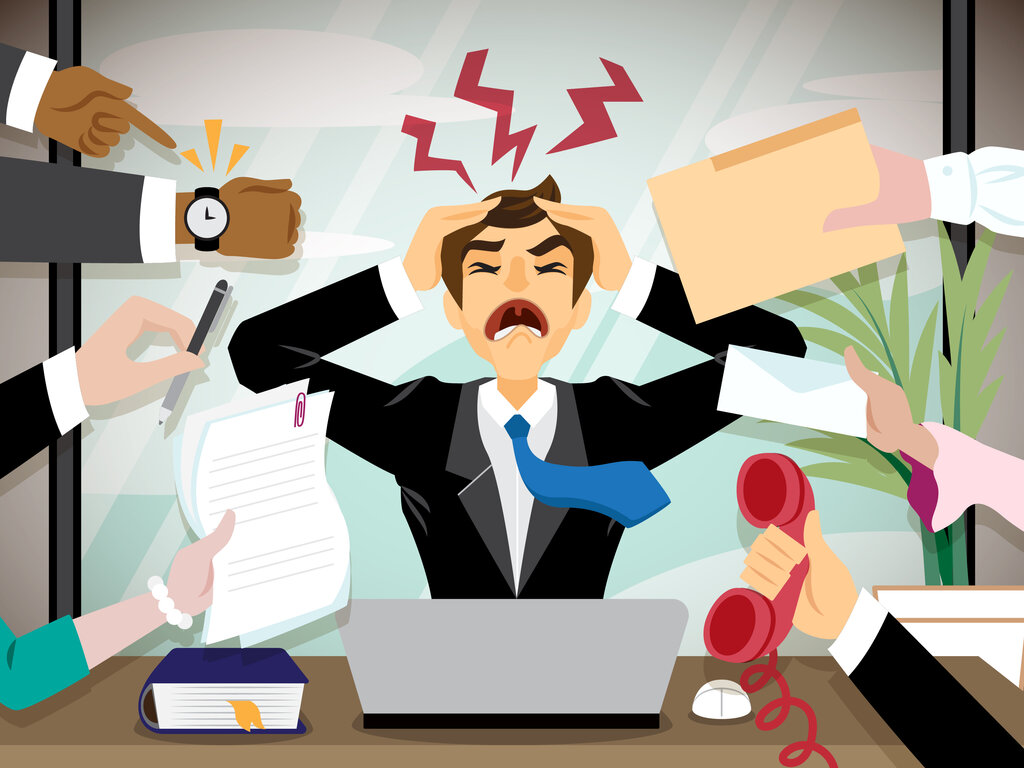
When chronic stress, particularly from your job, goes unmanaged, it can lead to burnout. Burnout is a state of emotional, physical, and mental exhaustion. It's more than just feeling tired; it's a sense of being completely drained and empty.
Rather than regular stress, which results from too much pressure, burnout is often also accompanied by too little motivation or care.
While related, stress and burnout are not the same. Stress is often characterized by over-engagement, where problems feel urgent and overwhelming. Burnout, in contrast, involves disengagement. Emotions are blunted, and you may feel helpless and detached.
| Feature | Stress | Burnout |
|---|---|---|
| Characterized by | Over-engagement, urgency | Disengagement, helplessness |
| Emotions | Hyperactivity, anxiety | Bluntedness, detachment |
| Primary Damage | Physical | Emotional |
| Feeling | Drowning in responsibilities | Feeling dried up, empty |
Recognizing the Signs
Identifying the early signs of chronic stress and burnout is crucial for preventing more serious consequences. Ignoring them can harm your health, relationships, and job performance. Early recognition allows you to take a step back, assess the situation, and begin to address the root causes before they become completely debilitating.
Key signs of burnout often fall into three main categories:
- Exhaustion: Feeling depleted of physical and emotional energy.
- Cynicism or Depersonalization: Feeling detached from your job and developing a negative or cynical attitude toward it and your colleagues.
- Reduced Professional Efficacy: A sense of incompetence and a lack of achievement in your work. You may feel like what you're doing doesn't matter anymore.
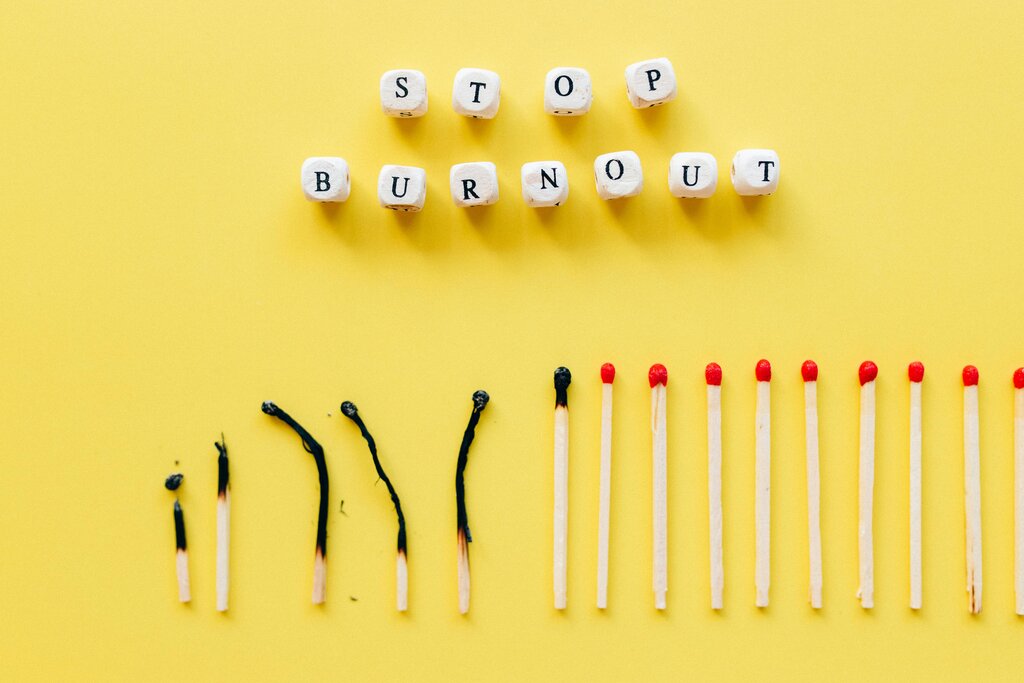
Paying attention to these feelings is the first step toward recovery and building greater resilience for the future. Understanding the difference between a tough week and a pattern of burnout empowers you to seek the right kind of support.
Now, let's test your understanding of these core concepts.
Which term describes the type of positive stress that can enhance focus and motivation for a challenge?
During the body's 'fight-or-flight' response, which hormone is considered the primary stress hormone responsible for increasing sugars in the bloodstream?
Recognizing the signals your body and mind are sending is a critical skill for maintaining well-being in a demanding world.