Mastering Strategic Steps
Introduction to Strategic Planning
What Is Strategic Planning?
Imagine trying to build a house without a blueprint. You might end up with a structure, but it probably wouldn't be the house you wanted. Strategic planning is the blueprint for an organization. It’s the process of setting goals and then creating a detailed plan to reach them.
At its core, strategic planning is about envisioning the future and determining the best course of action to achieve that vision.
Without a strategy, a business is just reacting to day-to-day events. A plan provides a roadmap, guiding decisions and ensuring that everyone is working towards the same destination. It helps an organization move from simply being busy to being productive and purposeful.
The Building Blocks of a Plan
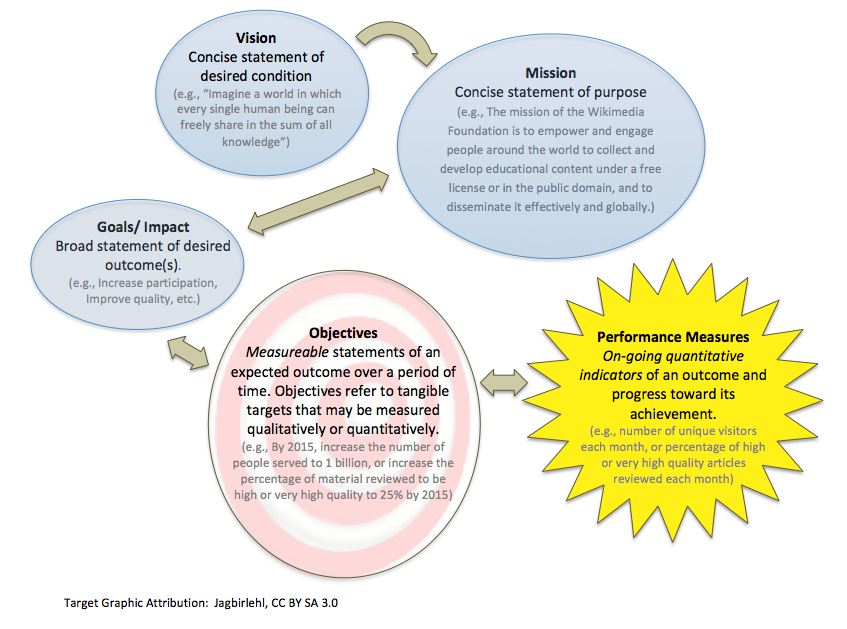
A good strategic plan isn't just a single document; it's made up of several key components that work together. Each piece builds on the last, creating a clear path from a big idea to concrete actions.
The Vision is the big-picture dream of what the organization wants to become. The Mission is more grounded, defining the organization's purpose and how it serves its stakeholders. From there, Objectives are set as specific, measurable goals. Strategies are the high-level approaches to achieving those objectives, and the Action Plan breaks those strategies down into individual tasks and timelines.
Why Bother With a Plan?
Creating a strategic plan takes time and effort, but the payoff is huge. One of the biggest benefits is clarity. When everyone understands the goals and the plan to get there, it’s easier to make consistent decisions.
A strategic plan aligns the entire organization, from top leadership to front-line employees, ensuring everyone is pulling in the same direction.
It also forces an organization to be proactive rather than reactive. By looking ahead, leaders can anticipate challenges and spot opportunities before they arrive. This foresight allows for better resource allocation, ensuring that time, money, and people are used where they’ll have the most impact.
Finally, a plan provides a benchmark for success. With clear objectives, it's possible to track progress and know whether the strategies are working. This allows for adjustments along the way, making the organization more adaptable and resilient.
Now, let's test your knowledge on these foundational concepts.
What is the primary purpose of strategic planning for an organization?
Which component of a strategic plan breaks down high-level approaches into specific, individual tasks with timelines?
Understanding these core ideas is the first step in harnessing the power of strategic planning to guide an organization toward a successful future.