Mastering Strategic Branding
Understanding Brands
What Is a Brand?
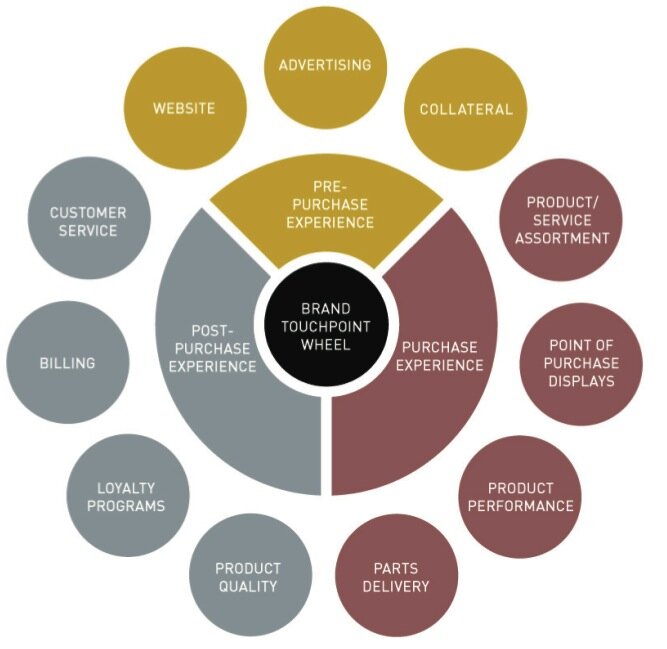
A brand is much more than just a name or a logo. It’s the gut feeling a person has about a product, service, or organisation. It’s the sum of all their experiences and perceptions, shaped by every interaction they have with that business.
Think about your favourite coffee shop. Your feeling about it isn’t just based on the coffee. It’s the friendly staff, the comfortable chairs, the music they play, and the way their cups look. All these small details combine to create the brand in your mind.
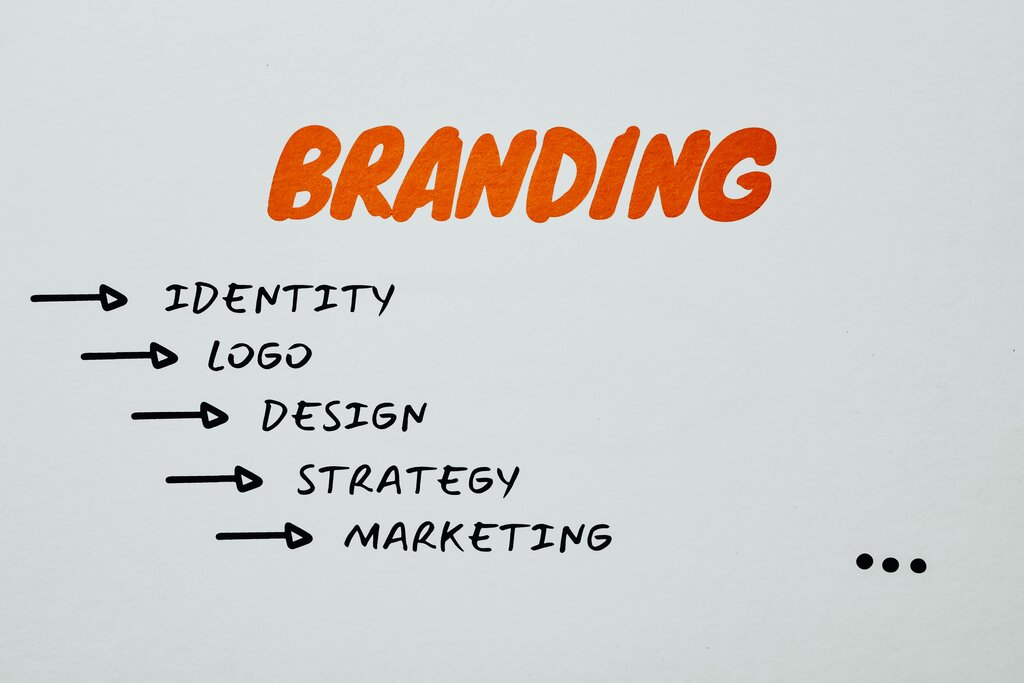
Branding is the act of shaping that perception. It’s a deliberate effort to communicate what your business stands for, what it promises, and what personality it has.
Why Branding Matters
In a crowded marketplace, a strong brand helps a business stand out. It’s a way to cut through the noise and connect with people on an emotional level. When customers recognise and trust a brand, they are more likely to choose its products over a competitor’s, even if the products themselves are very similar.
This trust builds loyalty. Loyal customers not only buy again but also recommend the brand to others. This creates a powerful advantage that is difficult for competitors to copy. A well-regarded brand can also command a higher price, as people are often willing to pay more for the assurance of quality and a positive experience they associate with it.
Branding is more than just a logo or a catchy slogan; it’s a promise, an experience, and an emotional connective tissue that links customers to companies.
Ultimately, a brand is a valuable business asset. It lives in the minds of consumers and represents a company's reputation and its relationship with its customers. A strong brand can significantly contribute to a company's long-term success and stability.
The Core Components
Several key elements work together to form a brand. While we're not diving into how to create them here, it's important to recognise the basic building blocks that communicate a brand's essence to the world.
| Component | Description |
|---|---|
| Name | The word or words used to identify the company or product. |
| Logo | A visual symbol or design that represents the brand. |
| Colours & Fonts | The specific colours and typography used consistently across all materials. |
| Voice | The personality of the brand expressed through its words and communication style. |
| Slogan | A short, memorable phrase that captures the brand's promise or essence. |
When used consistently, these components make a brand instantly recognisable. Think of the golden arches of McDonald's or the distinctive red of Coca-Cola. You know the brand without even seeing the name.
Brands and Our Choices
Brands have a significant impact on how we make decisions as consumers. They simplify our choices. In a supermarket with dozens of options for orange juice, you might reach for the one you know and trust. The brand acts as a mental shortcut, saving you the time and effort of comparing every single option.
Brands also allow us to express our identity. The car you drive, the clothes you wear, and the phone you use can all be extensions of your personality and values. By choosing certain brands, we often communicate something about ourselves to the world. A person might choose an electric car brand because they value sustainability, or a particular clothing brand because it aligns with their sense of style.
This psychological connection is powerful. It can create an emotional bond that goes beyond the functional benefits of a product, turning customers into loyal fans.
Ready to check your understanding?
According to the text, what is the core definition of a brand?
How does a strong brand help consumers in a crowded marketplace, like a supermarket?
This foundation gives you a clear sense of what a brand is and why it's a cornerstone of any successful business strategy.