Mastering Strategic Body Language
Mastering Micro-Expression Nuance
The Face's Hidden Language
You already know the seven universal emotions. You can spot a genuine smile or an obvious frown from a mile away. But in a high-stakes negotiation or a tense performance review, people rarely show their full hand. Instead, their true feelings appear in flashes, lasting no more than 1/15th of a second before being consciously suppressed. These are micro-expressions, involuntary moments of emotional leakage that betray a person's guarded thoughts.
Think of it like a poker tell. Your counterpart might be saying all the right things, nodding in agreement about the new project timeline. But for a split second, you see a corner of their lip tighten. That's not just a random tic. It's a signal, a piece of data you can use to guide the conversation. The key is to spot these fleeting expressions without letting the other person know you've seen them.
Recognize unconscious bias and microaggressions while learning practical mitigation strategies and inclusive language.
The Anatomy of a Feeling
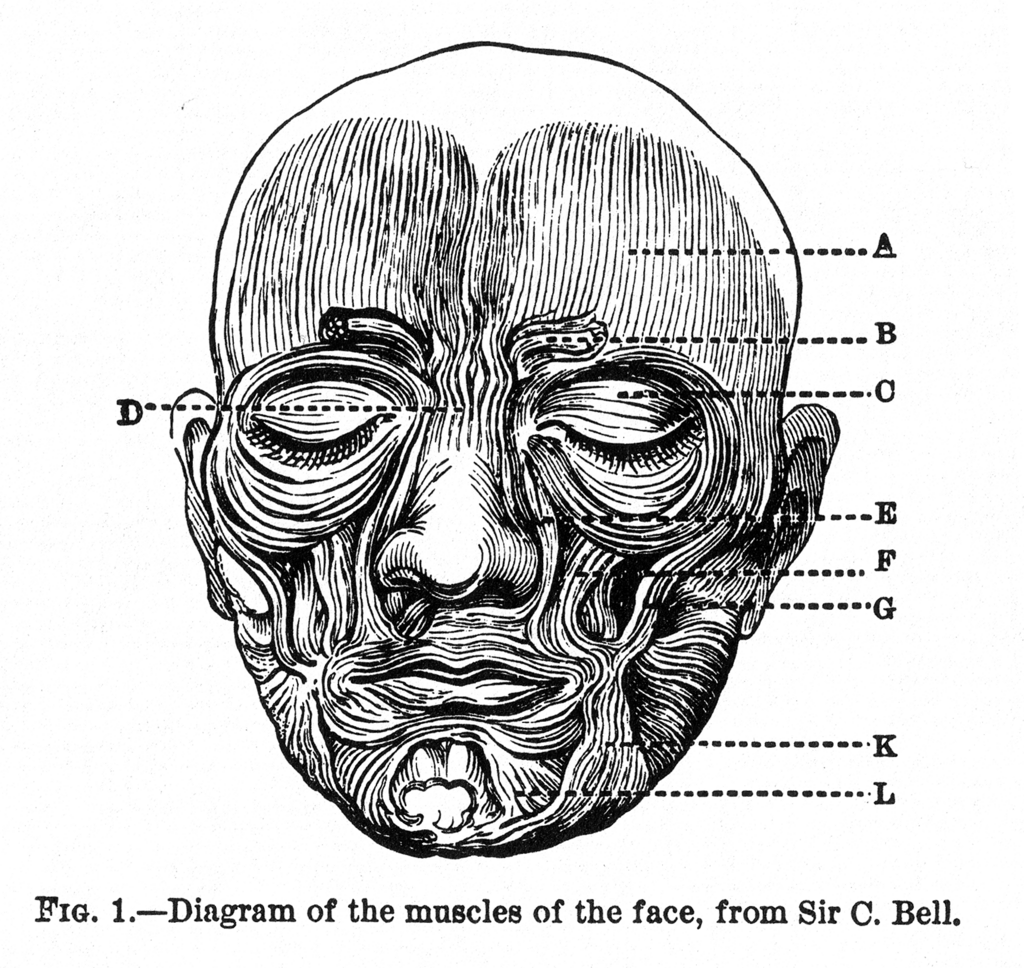
Every expression, from the most overt to the most subtle, is a combination of muscle movements. Researchers catalog these using the Facial Action Coding System, or FACS, where each movement is an Action Unit (AU). Understanding these building blocks helps you differentiate between similar-looking but emotionally opposite expressions.
Let's compare two common but critical expressions in a professional setting: suppressed contempt and genuine surprise. One signals a major relationship problem; the other, an opportunity. Their muscle mechanics are completely different.
| Emotion | Key Action Units (AUs) | Appearance |
|---|---|---|
| Suppressed Contempt | Unilateral AU14 (Dimpler) | A one-sided lip corner tightening, like a half-smirk. Highly asymmetrical. |
| Genuine Surprise | AU1 (Inner Brow Raiser) + AU2 (Outer Brow Raiser) + AU5 (Upper Lid Raiser) + AU26 (Jaw Drop) | Eyebrows raise, eyes widen, mouth opens slightly. Symmetrical. |
Contempt is uniquely powerful because it's almost always asymmetrical. A one-sided expression is often a sign of a masked or complex emotion. When you see that unilateral lip pull, you're seeing a raw, unfiltered judgment that the person is trying to hide. Genuine surprise, on the other hand, engages the whole face symmetrically.
Reading the Room in Real-Time
Spotting a micro-expression is one thing; knowing what to do with it is another. The goal is never to call someone out. Accusing someone with, "I saw that! You feel contempt for this idea!" will only build walls. Instead, you use that information to pivot your strategy subtly.
If you spot a micro-expression of contempt when presenting a proposal, don't confront. Instead, try saying, "I get the sense there might be a part of this that doesn't quite sit right. What are your initial thoughts on potential obstacles?" This invites them to share their hidden reservations without making them defensive.
Pay close attention to clusters of behavior. A person looking up and to the left isn't necessarily lying, despite what pop psychology says. This could simply be a sign of cognitive load—they are thinking hard or accessing a memory. However, if that eye movement is paired with a micro-expression of fear (widened eyes, lips stretched horizontally) when you ask about project budget, that cluster is significant. The eye movement shows they are thinking, and the micro-expression gives you a clue about what they are thinking.
The information is a guide, not a verdict. Use it to ask better questions and navigate the hidden currents of the conversation.
What is the defining characteristic of a micro-expression?
According to the Facial Action Coding System (FACS), individual muscle movements that combine to form expressions are called what?