Mastering Stock Trading Essentials
Introduction to Stock Markets
What Is a Stock Market?
A stock market is essentially a large, organized network where shares of publicly owned companies are bought and sold. Think of it as a specialized marketplace. But instead of trading goods like apples or cars, people trade tiny pieces of ownership in companies.
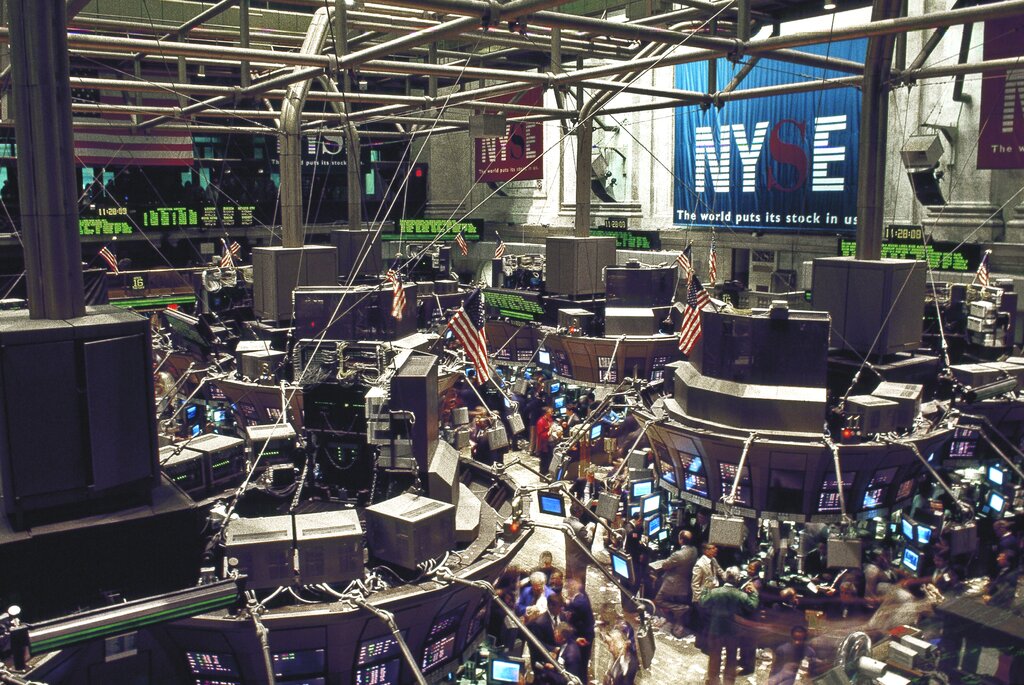
Why does this marketplace exist? For two main reasons. First, it allows companies to raise money. By selling shares (also called stock or equity), a company gets cash to fund new projects, expand operations, or hire more people. Second, it gives investors a chance to own a part of those companies. If the company does well, the value of those shares can increase, and the investor profits. It's a way for both companies and the public to share in the potential rewards of a growing economy.
Where Stocks Are Born and Traded
Stock trading happens in two distinct stages: the primary market and the secondary market.
The primary market is where new stocks are created and sold for the first time. This usually happens through an Initial Public Offering, or IPO. During an IPO, a private company "goes public" by offering its shares to institutional investors and the general public. The money from this sale goes directly to the company.
Once those shares have been sold in the IPO, they begin to trade on the secondary market. This is the stock market most people are familiar with. Here, investors buy and sell shares from each other, not from the company. The price of the stock on the secondary market is determined by supply and demand. Famous examples of secondary markets include the New York Stock Exchange (NYSE) and the Nasdaq.
The Key Players
Several key participants keep the stock market running smoothly.
| Participant | Role |
|---|---|
| Investors | Individuals or institutions (like pension funds) who buy and sell stocks, hoping to profit from a company's success. |
| Brokers | Firms that act as intermediaries, executing buy and sell orders on behalf of investors. You need a broker to trade on a stock exchange. |
| Market Makers | Specialized firms that provide liquidity in the market. They are always ready to buy or sell a particular stock, ensuring trades can happen quickly. |
| Stock Exchanges | The organized marketplaces (like the NYSE) where brokers and market makers come together to trade stocks under a set of rules. |
Liquidity
noun
The ease with which an asset, or security, can be converted into ready cash without affecting its market price.
Measuring the Market's Mood
How do we know if the stock market is generally doing well or poorly on any given day? We look at stock indices.
A stock index is a collection of stocks that represents a portion of the market. By tracking the combined performance of these stocks, an index gives a snapshot of the market's health or a specific sector's performance.
For example, the S&P 500 tracks the performance of 500 of the largest U.S. companies. If the S&P 500 is up, it generally means that large American companies, as a group, are having a good day.
Another well-known index is the Nasdaq Composite, which is heavily weighted towards technology companies. News reports often quote the performance of these indices to quickly summarize how the market is behaving.
Now, let's test what you've learned about the foundations of the stock market.
What are the two main purposes of the stock market?
A newly-formed company sells its shares to the public for the first time. This event is happening in the ________ market.
Understanding these core concepts—what a market is, how stocks are traded, who participates, and how we measure performance—is the first step to making sense of the world of investing.