Mastering Stock Trading Basics
Introduction to Stock Markets
What Is a Stock Market?
Think of a stock market as a massive, organized marketplace. But instead of buying apples or antiques, people buy and sell tiny pieces of ownership in public companies. These pieces are called stocks or shares.
Why does this market exist? For two main reasons. First, it allows companies to raise money. By selling shares, a company can get cash to fund new projects, hire more people, or expand its business. Second, it gives people a chance to invest their money. By buying shares, investors hope the company will do well, causing the value of their shares to grow over time.
In short, stock markets connect companies that need capital with investors who have capital.
When you own a stock, you are a shareholder. This means you own a small slice of that company. If the company is profitable, you might receive a portion of those profits, called a dividend. You also get certain rights, like the ability to vote on key company decisions, such as who sits on the board of directors. Your influence depends on how many shares you own, but even with one share, you're officially a part-owner.
Where Trading Happens
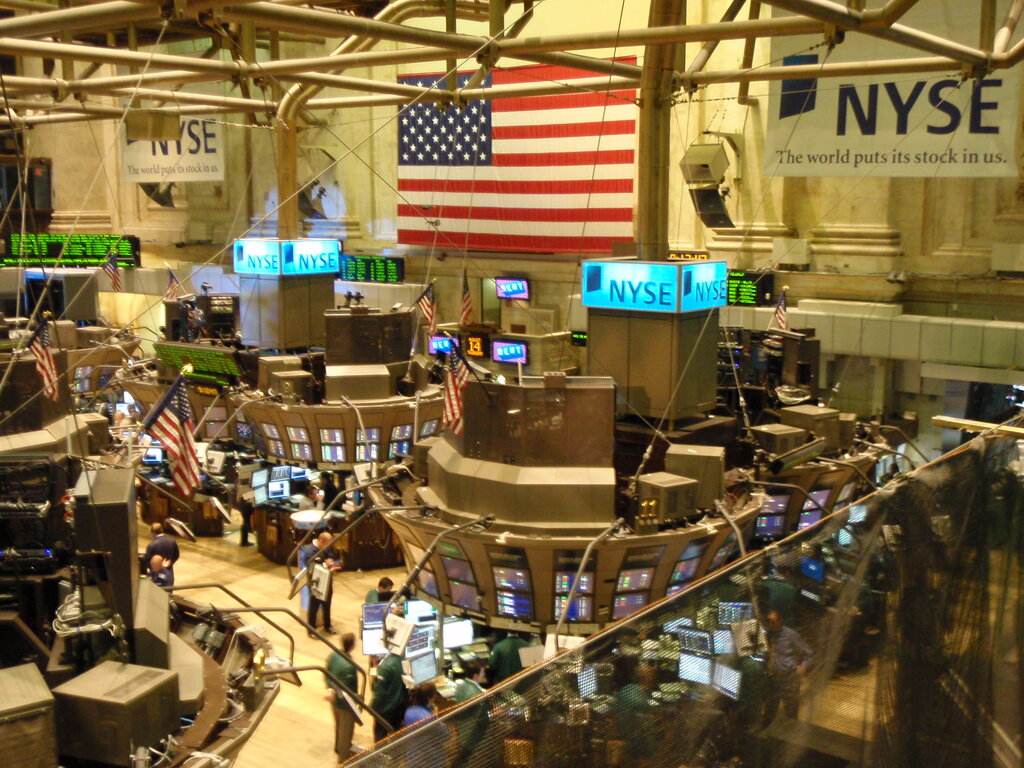
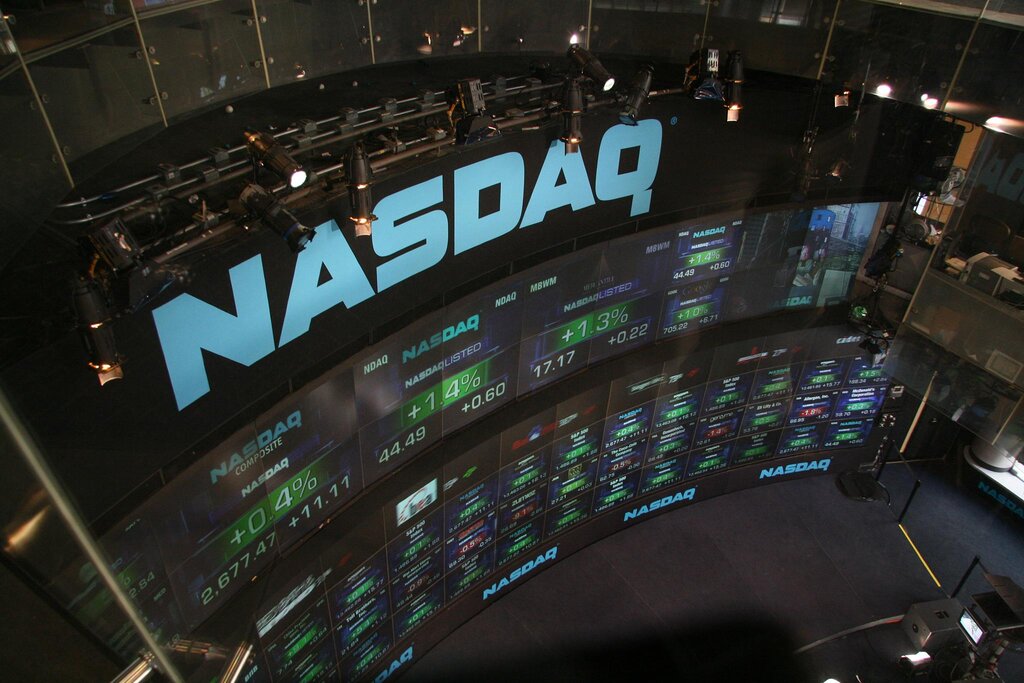
Trading doesn't just happen in the air. It takes place on stock exchanges, which are the specific venues where stocks are bought and sold. While we often picture frantic traders shouting on a crowded floor, most trading today is done electronically.
The two most famous U.S. exchanges are the New York Stock Exchange (NYSE) and the Nasdaq.
- The NYSE is one of the oldest and largest. It operates as an auction market, where buyers and sellers trade directly with each other. A specialist facilitates the trading for each stock.
- The Nasdaq is a newer, all-electronic exchange. It’s a dealer's market, where participants trade through a dealer, or market maker, rather than directly with one another.
There are major stock exchanges all over the world, from the London Stock Exchange to the Tokyo Stock Exchange, each serving as a vital hub for its respective economy.
The Players in the Game
Several key participants keep the stock market running smoothly.
-
Investors: These are the people and institutions (like pension funds or banks) buying and selling stocks. They can be individuals saving for retirement or large firms managing billions of dollars.
-
Brokers: An investor can't just walk onto the floor of the NYSE to buy a stock. They need a broker, which is a person or firm licensed to trade securities on an exchange. The broker acts as the middleman, executing the investor's buy and sell orders.
-
Market Makers: These are firms that provide liquidity to the market. They are always ready to buy or sell a particular stock. By doing so, they make it easier for investors to complete their trades without having to wait for another investor to come along.
Checking the Market's Pulse
How do we know if the stock market is generally doing well or poorly? We look at a stock market index. An index tracks the performance of a group of stocks, which represents a portion of the overall market.
Think of it like a survey. Instead of asking every single person in a country how they feel, you ask a representative sample. Similarly, an index tracks a sample of stocks to give a snapshot of the market's health.
Two of the most frequently cited indices in the U.S. are the S&P 500 and the Dow Jones Industrial Average.
| Index | What It Tracks |
|---|---|
| S&P 500 | The performance of 500 of the largest U.S. companies. It's considered a broad and reliable indicator of the U.S. market. |
| Dow Jones (DJIA) | The performance of 30 large, well-known U.S. companies. It's older and narrower than the S&P 500, but still very influential. |
When you hear on the news that "the market is up today," it usually means that one of these major indices has increased in value.
Ready to check your understanding?
What is the primary role of a stock broker?
A key difference between the NYSE and the Nasdaq is that the NYSE is primarily an auction market, while the Nasdaq is a dealer's market.
Understanding these core components is the first step. You now have a framework for how companies, investors, and exchanges interact to create the dynamic world of the stock market.