Mastering Stock Analysis
Introduction to Stock Markets
What Is a Stock Market?
A stock market is essentially a large, organized network where people buy and sell ownership stakes in public companies. Think of it like a massive farmers' market, but instead of buying apples and carrots, you're buying tiny pieces of companies like Apple or Google.
Companies sell these pieces, called stocks or shares, to raise money. They use this capital to fund new projects, expand their operations, or develop new products. For investors, buying stock is an opportunity to own a part of a company and potentially share in its future success. If the company does well and its value increases, the value of your shares may also increase.
stock
noun
A type of security that signifies ownership in a corporation and represents a claim on part of the corporation's assets and earnings.
This buying and selling creates a dynamic marketplace. The price of a stock changes constantly based on supply and demand, which is influenced by the company's performance, industry trends, and the overall health of the economy. It’s a system that connects companies needing funds with people looking for investment opportunities.
Where the Trading Happens
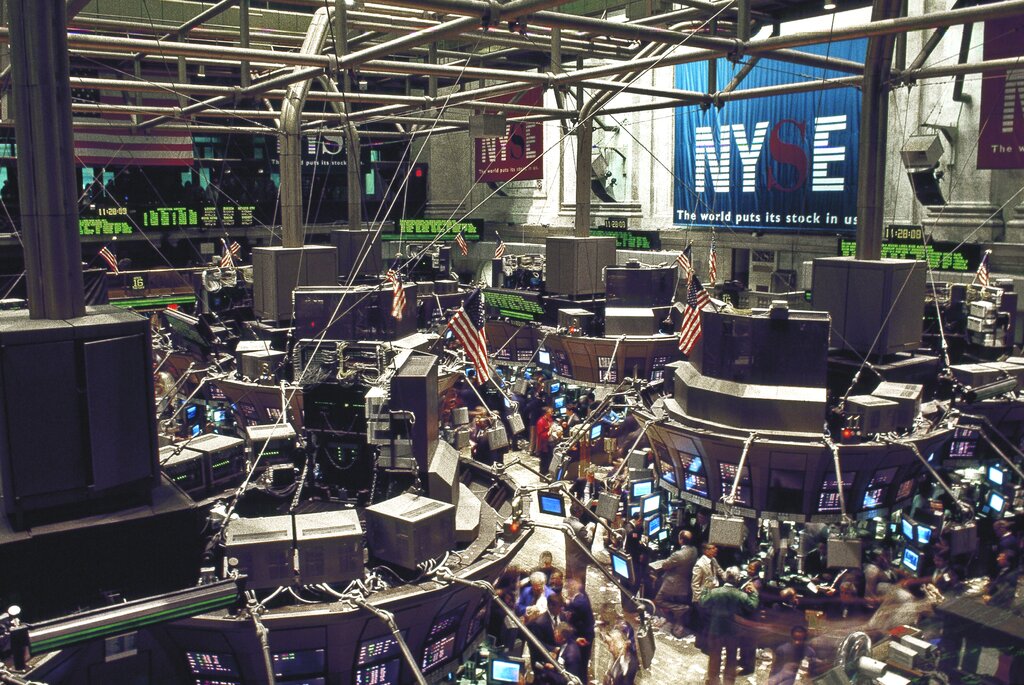
These transactions don't just happen anywhere. They take place on stock exchanges. Historically, these were physical locations where traders would shout orders on a crowded floor. While some of that still happens, today most trading is done electronically.
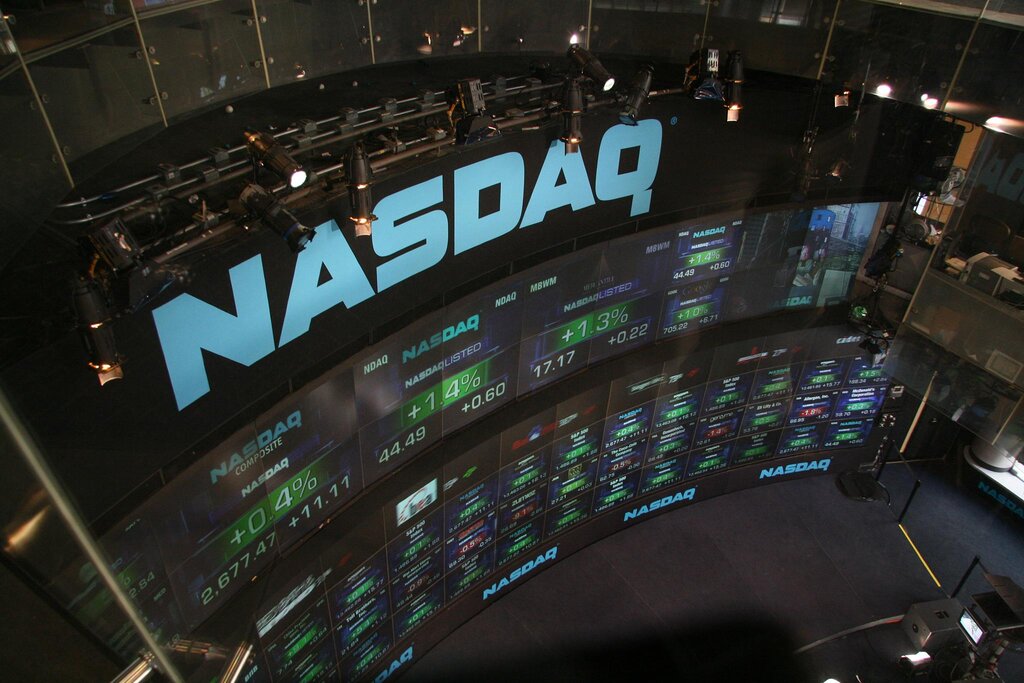
Two of the most well-known exchanges in the world are the New York Stock Exchange (NYSE) and the Nasdaq.
The New York Stock Exchange (NYSE) is one of the oldest and largest, home to many established, blue-chip companies. It operates as an auction market, where buyers and sellers trade directly.
The Nasdaq is a younger, all-electronic exchange. It's known for being the home of many of the world's largest technology companies.
Types of Stock
When a company issues stock, it usually comes in two main flavors: common and preferred. Each type gives the owner a different set of rights and benefits.
| Feature | Common Stock | Preferred Stock |
|---|---|---|
| Voting Rights | Yes, typically one vote per share | Usually no voting rights |
| Dividends | Variable; paid after preferred | Fixed; paid before common |
| Claim on Assets | Last in line if company liquidates | Paid out before common stockholders |
| Growth Potential | Higher potential for appreciation | Lower potential, more like a bond |
Common stockholders are true owners with a voice in the company's direction, and they stand to gain the most if the company thrives. Preferred stockholders, on the other hand, trade voting rights and high growth potential for the promise of more stable, predictable dividend payments.
Tracking the Market's Health
With thousands of stocks being traded, how can you get a quick snapshot of how the market is doing overall? This is where market indices come in. An index tracks the performance of a group of stocks, acting as a benchmark for the market or a specific sector.
Two of the most frequently cited indices are:
The S&P 500 tracks the performance of 500 of the largest U.S. companies. Because it's so broad, it's often used as a proxy for the health of the entire U.S. stock market.
The Dow Jones Industrial Average (DJIA) is much smaller, tracking just 30 large, well-known U.S. companies. It's one of the oldest and most-watched indices in the world.
When you hear on the news that "the market was up today," the reporter is usually referring to the performance of one of these major indices.
The People Involved
Several key players keep the stock market running smoothly.
| Participant | Role in the Market |
|---|---|
| Investors | Individuals or institutions (like pension funds) that buy and sell stocks to achieve financial goals. |
| Brokers | Firms licensed to buy and sell securities on behalf of investors. They are the intermediaries. |
| Market Makers | Firms that stand ready to buy or sell a particular stock at any time, providing liquidity to the market. |
Investors are the foundation of the market. Brokers execute the trades for investors. And market makers ensure that there's always someone to trade with, which keeps the market flowing efficiently. Together, they form the ecosystem that allows capital to move between companies and the public.
What is the primary reason a company issues stock?
An investor who wants to receive stable dividend payments and is less concerned about voting rights would most likely purchase which type of stock?