Mastering Stellar Communication
Communication Fundamentals
The Heart of Connection
Communication is the simple act of transferring information from one place, person, or group to another. Every communication involves at least one sender, a message, and a recipient. This sounds straightforward, but it’s a process that can be filled with nuance and complexity.
Why does it matter so much? Because effective communication is the foundation of all relationships. It's how we connect with others, share ideas, express feelings, and build communities. In a professional setting, clear communication can prevent misunderstandings, drive projects forward, and foster a positive work environment. At home, it helps build strong family bonds and resolve conflicts.
The Communication Process
To understand how communication works, it helps to look at its basic components. Think of it as a journey a message takes from one person to another. This journey is often illustrated with a simple model.
Let's break down these steps:
- Sender: This is the person who initiates the communication. They have an idea or feeling they want to share. They "encode" this idea into a message, meaning they choose the words and gestures to express it.
- Message: This is the actual information being sent, whether it's verbal or non-verbal.
- Channel: This is the medium through which the message is sent. It could be a face-to-face conversation, a phone call, an email, or a text message.
- Receiver: This is the person who gets the message. They "decode" it, interpreting its meaning based on their own experiences and understanding.
- Feedback: This is the receiver's response to the message. It signals to the sender whether the message was understood correctly. Feedback can be a verbal reply, a nod, or even silence.
This process happens constantly, often without us even thinking about it. A simple nod in a conversation is feedback. Choosing to send a text instead of calling is a channel decision.
More Than Just Words
When we think of communication, we often focus on the words we say. But that's only part of the story. Communication can be split into two main types.
Verbal Communication: This is the use of words to share information. It includes what we say (spoken word) and what we write.
Verbal communication is direct and is often the best way to convey specific, detailed information. The words you choose matter, but so does your tone, pitch, and volume.
Non-Verbal Communication: This is the transfer of information through body language, facial expressions, gestures, and the use of space. It’s communication without words.
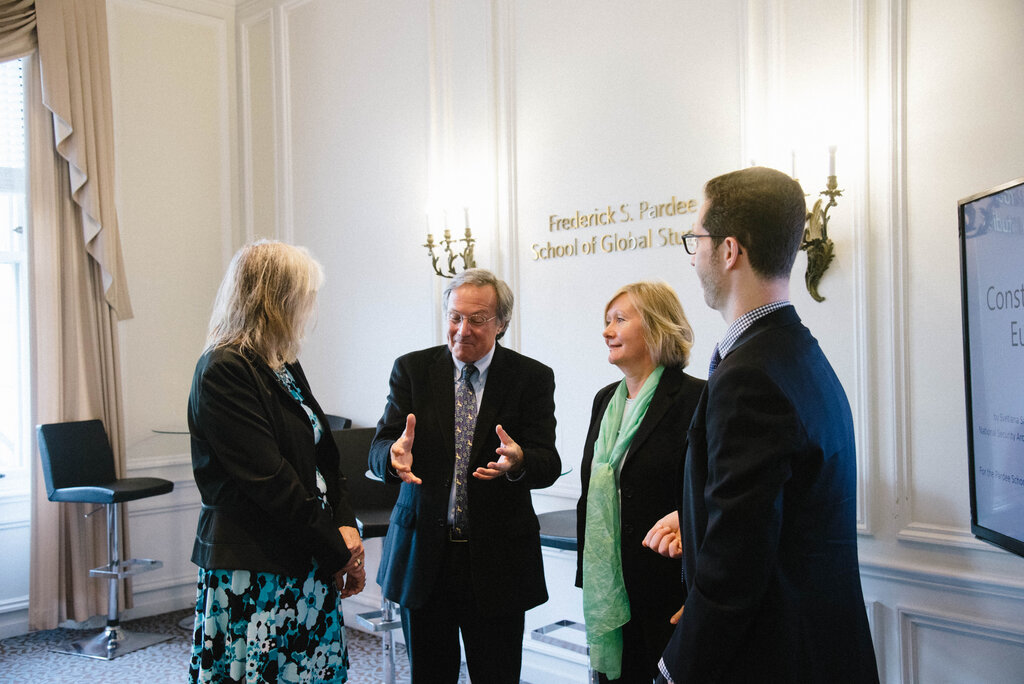
Your posture, a smile, a frown, or eye contact can sometimes convey a more powerful message than your words. When verbal and non-verbal signals don't match, people tend to believe the non-verbal cues. For example, if someone says "I'm fine" while slumping their shoulders and avoiding eye contact, you'll probably sense that something is wrong.
What Gets in the Way
Sometimes, the message that gets received is not the one the sender intended. These miscommunications are often caused by barriers. Barriers to effective communication can be physical, emotional, or cultural.
| Barrier Type | Description | Example |
|---|---|---|
| Physical | Environmental and natural conditions that act as a barrier. | Loud background noise, poor lighting, or physical distance between people. |
| Emotional | Feelings that get in the way of clear communication. | Anger, defensiveness, or fear can make it hard to listen or express yourself clearly. |
| Cultural | Differences in norms, values, and gestures between cultures. | A thumbs-up gesture is positive in some cultures but offensive in others. |
| Language | Differences in language or the use of jargon and technical terms. | A doctor using complex medical terms with a patient who doesn't understand them. |
Being aware of these potential barriers is the first step to overcoming them. It requires you to be mindful of your audience and the environment you're communicating in.
Context is everything. The same words can mean different things depending on the situation.
The context of a conversation includes the physical location, the relationship between the speakers, and the social setting. A casual chat with a friend at a coffee shop has a different context than a formal presentation at work. Adjusting your communication style to fit the context is crucial for getting your message across effectively. A joke that lands well with friends might be inappropriate in a professional meeting. Understanding the context helps you choose the right words, tone, and body language.
In the communication process, what is the primary role of the 'sender'?
When a person's verbal message (what they say) contradicts their non-verbal signals (body language), people tend to believe the non-verbal cues.
These fundamentals are the building blocks of all human interaction. By understanding how communication works, you can start to become more intentional and effective in how you connect with others.