Mastering Stand-Up Comedy
Understanding Comedy Basics
The Roots of Stand-Up
Stand-up comedy, as we know it, didn't just appear out of nowhere. Its roots trace back to the fast-paced variety shows of vaudeville in the late 19th and early 20th centuries. Performers on these stages had to grab the audience's attention quickly with jokes, songs, and stories. The master of ceremonies, or MC, often developed a sharp, witty personality to keep the show moving, becoming an early version of the modern stand-up.
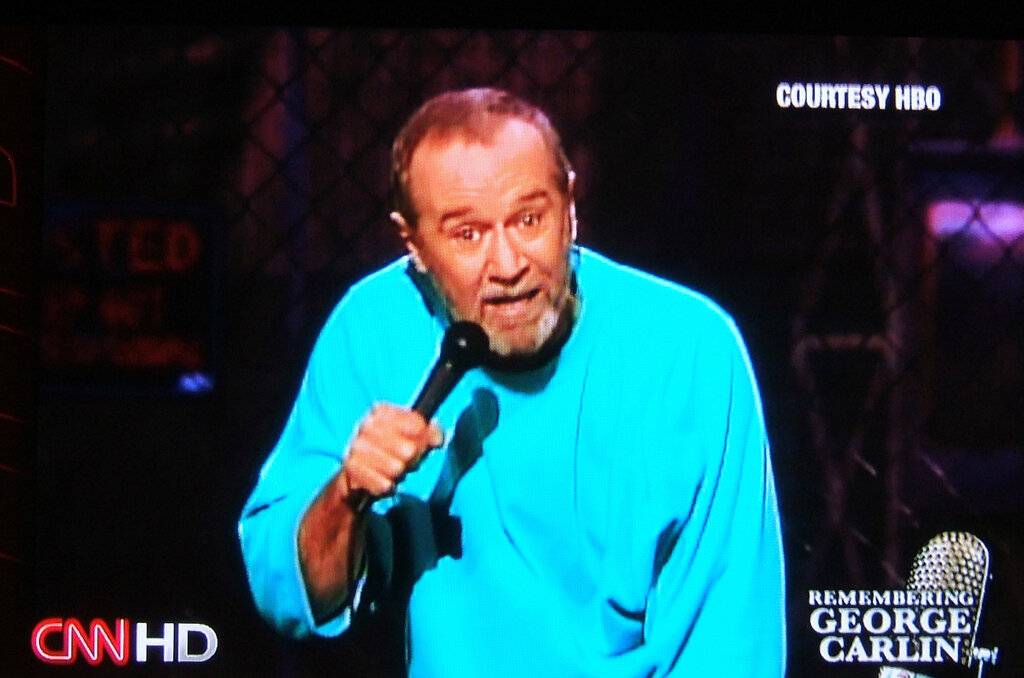
Later, resorts in the Catskill Mountains, known as the Borscht Belt, became a breeding ground for a new generation of comedians. They honed their acts in front of vacationing families, developing rapid-fire joke-telling skills. Over the decades, the art form evolved. Comedians moved from telling structured, universal jokes to sharing personal, observational, and often provocative material directly with the audience in smoky clubs. It became less of a formal performance and more of a raw, intimate conversation.
Finding a Comedic Style
Just like musicians play different genres, comedians have various styles. There's no single right way to be funny. The style a comedian chooses often reflects their personality and how they see the world.
Observational comedy is built on pointing out the absurdity in everyday life. It’s the 'Have you ever noticed...?' style that makes us see the familiar in a new, hilarious light.
Anecdotal comedy, on the other hand, is all about storytelling. Comedians using this style share personal experiences, often exaggerating details for comedic effect. The humor comes from the relatable situations, the comedian's reactions, and the narrative journey they take the audience on. Other styles include the quick-witted one-liner, the bizarre and unexpected surrealist, and the politically charged satirist.
| Style | Focus | Relies On |
|---|---|---|
| Observational | The mundane and universal | Shared experiences |
| Anecdotal | Personal stories | Narrative and character |
| One-Liner | Short, punchy jokes | Wordplay and surprise |
| Satirical | Politics and social issues | Exaggeration and irony |
The Science of a Laugh
What makes us laugh? It feels magical, but there's some psychology behind it. One of the most popular ideas is the incongruity theory. This theory suggests that humor arises from a mismatch between what we expect to happen and what actually happens. A joke leads our brain down one path and then suddenly veers off in an unexpected direction. That surprise, that mental jolt, triggers laughter.
Think of it as a small, delightful shock to your system. The brain works to resolve the conflict between expectation and reality, and the release of that mental effort is expressed as a laugh.
Another idea is the relief theory, which proposes that laughter is a way to release pent-up nervous energy. A joke might build tension around a taboo or stressful topic, and the punchline provides a safe, harmless release for that tension. We laugh to let go of the anxiety the setup created.

Finally, there's the superiority theory, which goes all the way back to ancient Greek philosophers. It suggests we laugh at the misfortunes or mistakes of others because it gives us a momentary feeling of being better off. While it sounds a bit mean, it explains slapstick humor and why we chuckle when someone slips on a banana peel (as long as they're not seriously hurt).
A Two-Way Street
A stand-up set is not a monologue; it's a conversation. The audience is the comedian's scene partner, and their energy and reactions shape the performance in real-time. This dynamic is what makes live comedy so thrilling and unpredictable.

A good comedian is an expert listener. They pay attention to the room's energy, noticing which jokes land well and which ones don't. Are people laughing loudly? Are they groaning? Are they silent? Each reaction is a piece of feedback. If a certain topic gets a big response, the comedian might improvise more material around it. If another joke bombs, they have to recover quickly and win the audience back.
This performer-audience relationship is built on trust. The audience trusts the comedian to be funny and guide them through the experience. The comedian trusts the audience to be open and willing to laugh. When that connection clicks, it creates a shared experience where everyone feels part of the show.
Let's check your understanding of these core concepts.
The idea that we laugh at a punchline because it provides a safe release for built-up nervous energy or tension aligns with which theory of humor?
According to the text, what was the primary role of the "Borscht Belt" resorts in the history of comedy?