Mastering Spoken English Fluency
Phonetic Precision
The Sound of English
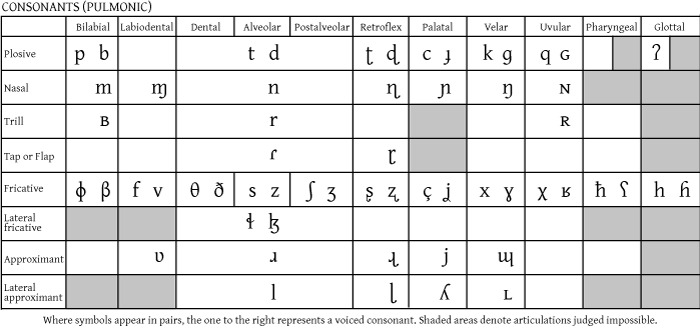
You know the letters, but English spelling is famously tricky. The letters on the page don't always match the sounds we make. Words like "though," "through," and "tough" are a perfect example. To get past the confusion of spelling and focus on pronunciation, we use a special tool: the International Phonetic Alphabet (IPA).
Think of the IPA as a universal code for sounds. Each symbol represents one, and only one, sound. Learning to read it is like getting a cheat sheet for pronunciation. It removes the guesswork and shows you exactly how a word is meant to be said, no matter how it's spelled.
The Secret to Flow
One of the keys to sounding natural in English is understanding its rhythm. This rhythm doesn't come from stressing every syllable equally. Instead, it comes from weakening, or reducing, unstressed vowels. The sound that these unstressed vowels turn into is called the schwa.
schwa
noun
A mid-central vowel sound, represented by the symbol /ə/ in the IPA. It is the most common vowel sound in English, found in unstressed syllables.
Listen for it in words like about, taken, pencil, memory, and supply. The bolded letters all make the same weak "uh" sound: /ə/. This vowel reduction is what makes English sound smooth and connected, rather than choppy. Mastering the schwa is a huge step toward more natural-sounding speech.
The Voicing Vibration
Some consonant sounds in English come in pairs. The only difference between them is a tiny vibration in your throat. These are called voiced and unvoiced consonants. Place your fingers gently on your throat and say the sound "sssss" like a snake. You shouldn't feel much vibration. That's an unvoiced sound. Now, say "zzzzz" like a bee. Feel that buzz? That's a voiced sound. Your vocal cords are vibrating.
This distinction is crucial. It's the difference between "fan" and "van," or "price" and "prize." Many learners mix these up, which can change the meaning of a word. Paying attention to this vibration will instantly make your pronunciation clearer. These sets of words that differ by only one sound are called and they are a great tool for practice.
| Unvoiced | Voiced |
|---|---|
| /p/ (pat) | /b/ (bat) |
| /t/ (ten) | /d/ (den) |
| /k/ (cut) | /g/ (gut) |
| /f/ (fan) | /v/ (van) |
| /s/ (sip) | /z/ (zip) |
| /θ/ (thigh) | /ð/ (thy) |
| /ʃ/ (shore) | /ʒ/ (pleasure) |
| /tʃ/ (choke) | /dʒ/ (joke) |
Tackling Tricky Sounds
Beyond single sounds, English loves to bunch consonants together. Think of words like "strengths" /strɛŋkθs/ or "crisps" /krɪsps/. These consonant clusters can be a mouthful. Native speakers often make them easier to say by dropping a sound, a process called elision. For instance, many people say "fifths" as /fɪfθs/, dropping the first "th" sound. Or "clothes" becomes /kloʊz/, dropping the /ð/ sound entirely. You don't have to do this, but being aware of it will help your listening comprehension.
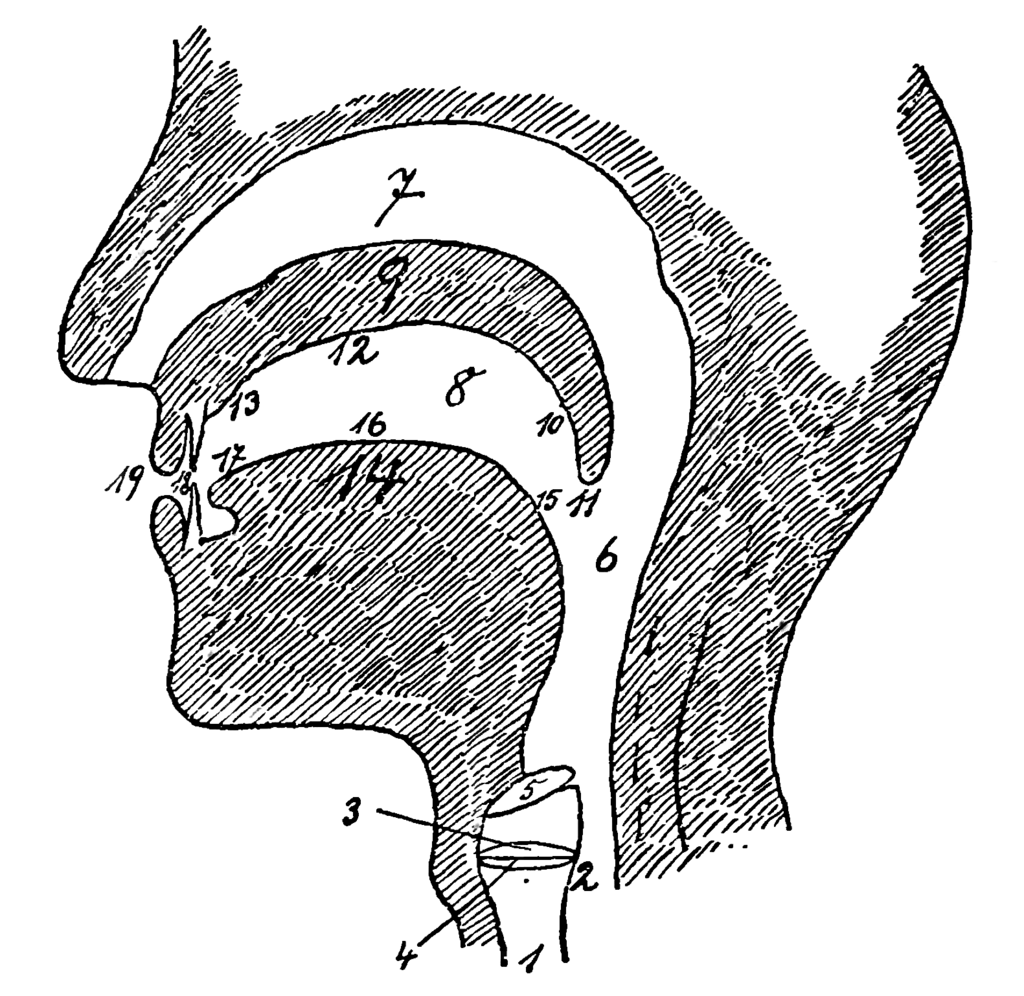
Finally, let's look at two of the most notoriously difficult sounds for learners: the American 'R' and the 'TH' sounds. Their difficulty comes from the fact that they require precise tongue placement that might not exist in your native language. Mastering them is a matter of building muscle memory. The study of how speech sounds are produced is known as —it's like anatomy for your mouth.
American R (/ɹ/): The tip of your tongue should not touch anything. Pull the body of your tongue back and up toward the roof of your mouth. The sides of your tongue should touch your top molars. Your lips should be slightly rounded.
Unvoiced TH (/θ/) as in "think": Place the tip of your tongue lightly between or just behind your top and bottom teeth. Push air through the small gap. It's a soft, airy sound with no vocal cord vibration.
Voiced TH (/ð/) as in "this": The tongue position is the same as the unvoiced TH, but this time you engage your vocal cords to create a buzzing sound.
What is the primary purpose of the International Phonetic Alphabet (IPA)?
Which of these words contains the schwa sound, represented as /ə/?
Focusing on the mechanics of these sounds moves you from just knowing words to pronouncing them with confidence and clarity.