Mastering Speed Reading for Professionals
Advanced Skimming and Scanning
Reading for Structure
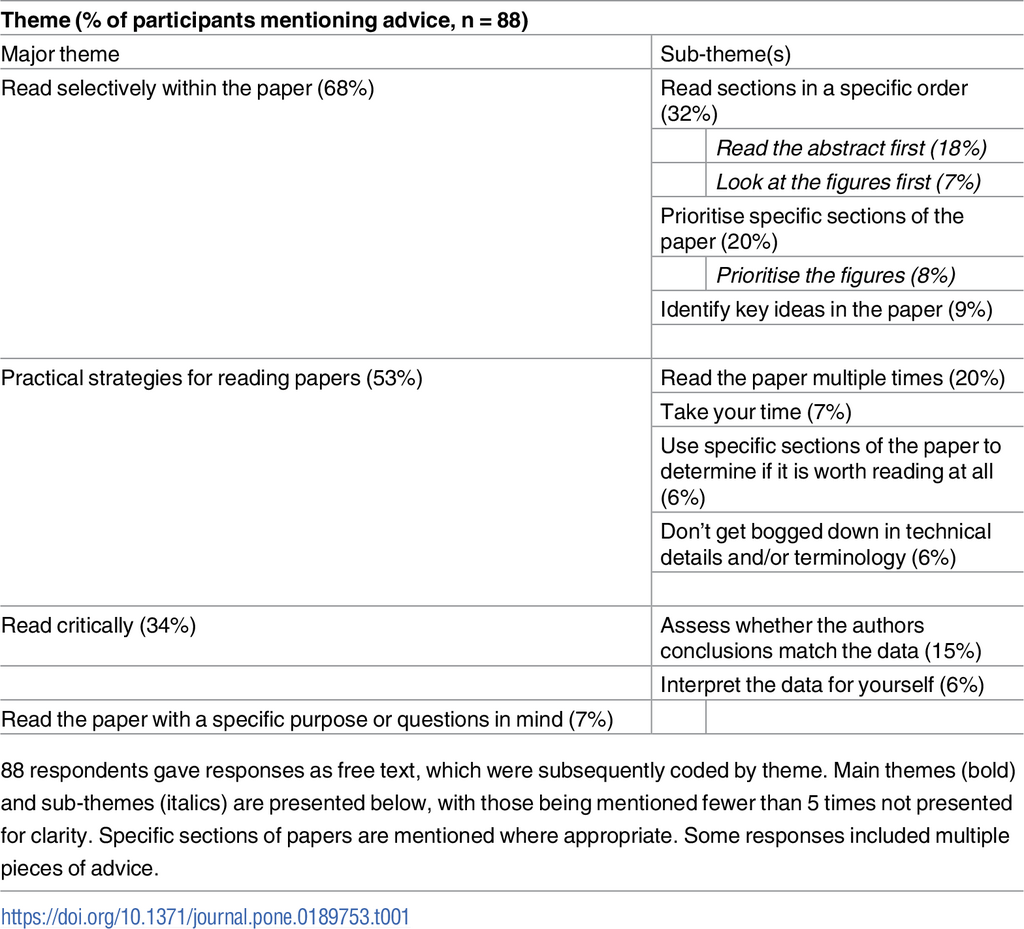
You already know how to skim and scan. The goal now isn't just to move your eyes faster, but to process information with greater intent. Advanced skimming is about understanding the architecture of a document before you read its contents. Instead of just reading the first and last sentences of a paragraph, you're looking for the author's argument structure.
Your first pass over a complex document should feel like looking at a blueprint. Identify the foundation, the support beams, and the main rooms before you start looking at the furniture.
Think of it as a three-layered approach. First, grasp the layout. What are the main sections? Where are the data and conclusions located? Next, identify the core argument in each section. Look for thesis statements, topic sentences, and concluding summaries. Only then, on a third pass, do you dive into specific paragraphs for details, and only for the sections you've identified as most relevant.
Scan with Precision
Once you've mapped the document's structure, efficient scanning becomes much easier. You're no longer searching blindly. You have a target, and you know the general area where it should be. Advanced scanning involves looking for typographical cues and data patterns, not just keywords.
Your brain is excellent at pattern recognition. Train it to hunt for visual anchors: numbers, dates, proper nouns, italicized words, or bulleted lists. These elements almost always signify important, specific information. When you scan, let your eyes jump from one anchor to the next, ignoring the surrounding text until you land in the right zone.
| Signpost Type | What It Often Indicates |
|---|---|
| Bold Text | A key term or a critical finding. |
| Italics | Emphasis, a foreign word, or a title. |
| Bulleted/Numbered Lists | A summary of key points or steps. |
| Tables & Figures | A concentration of data or a summary of results. |
| In-text Citations | The source of a claim or piece of evidence. |
Balancing Speed and Comprehension
The ultimate goal is not just speed, but efficiency. It's easy to fly through a document and retain nothing. The key is to adjust your reading speed and technique based on the material and your purpose. Don't be afraid to slow down for a critical section you identified during your structural skim.
The layered approach helps maintain this balance. Your initial high-speed skim gives you the context, ensuring that when you do slow down to read a key section carefully, you understand how it fits into the bigger picture. This prevents you from getting lost in details without understanding the main point.
Remember, this is not a one-size-fits-all process. A legal contract requires a different approach than a technical manual or a market research report. The mark of an expert reader is the ability to adapt their strategy to the task at hand, extracting the maximum amount of relevant information in the minimum amount of time.
Now, let's test your understanding of these advanced techniques.
What is the primary goal of the "three-layered approach" to skimming?
According to the text, what are "visual anchors" used for in advanced scanning?
By mastering these methods, you can stay on top of the vast amounts of information you face, making informed decisions more quickly and confidently.