Mastering SpecKit for Specification Management
Introduction to Spec-Driven Development
Plan First, Code Later
Imagine building a house without a blueprint. The construction crew might start by laying a foundation, but without a plan, they're just guessing. Where do the walls go? How many rooms should there be? The project would quickly become a chaotic, expensive mess. Software development can be a lot like that.
Spec-Driven Development (SDD) is the simple but powerful idea that you should create a detailed blueprint before you start building. This blueprint is called a specification, or "spec" for short. It's a document that clearly describes what the software should do, how it should behave, and what features it needs.
In SDD, the specification guides the entire development process. Instead of jumping straight into code, teams first collaborate to write a clear, comprehensive plan.
This approach flips the traditional model on its head. It forces important conversations about features and functionality to happen before a single line of code is written, saving time, money, and headaches down the road.
How It Works
Spec-Driven Development isn't a rigid set of rules, but it follows a few core principles. First, the spec must be the single source of truth. When questions arise about how a feature should work, everyone refers to the spec. This eliminates confusion and ensures everyone is working toward the same goal.
Second, creating the spec is a team effort. Product managers, designers, and engineers all contribute their expertise. This collaborative process ensures that the plan is both technically feasible and aligned with the user's needs. The spec becomes a shared understanding of the project.
Finally, a spec is a living document. As the team builds the software, they may discover new requirements or better ways to solve a problem. The spec can be updated to reflect this new understanding, ensuring it remains an accurate guide throughout the project's lifecycle.
A Tale of Two Projects
To see the real power of SDD, let's compare it to a more traditional, code-first approach. Notice how the starting point and the cost of making changes differ dramatically.
| Aspect | Traditional Approach | Spec-Driven Development |
|---|---|---|
| Starting Point | Write code based on a rough idea. | Write a detailed spec before coding. |
| Requirement Clarity | Discovered during or after coding. | Defined and agreed upon upfront. |
| Design Changes | Costly; requires rewriting code. | Inexpensive; involves updating a document. |
| Team Alignment | Often low; leads to misinterpretations. | High; everyone works from a shared plan. |
| Final Outcome | Unpredictable; may not meet needs. | Aligned with the original vision. |
The key takeaway is that solving problems on paper is always easier and cheaper than solving them in code. SDD prioritizes clear communication and planning, which leads to more predictable and successful outcomes.
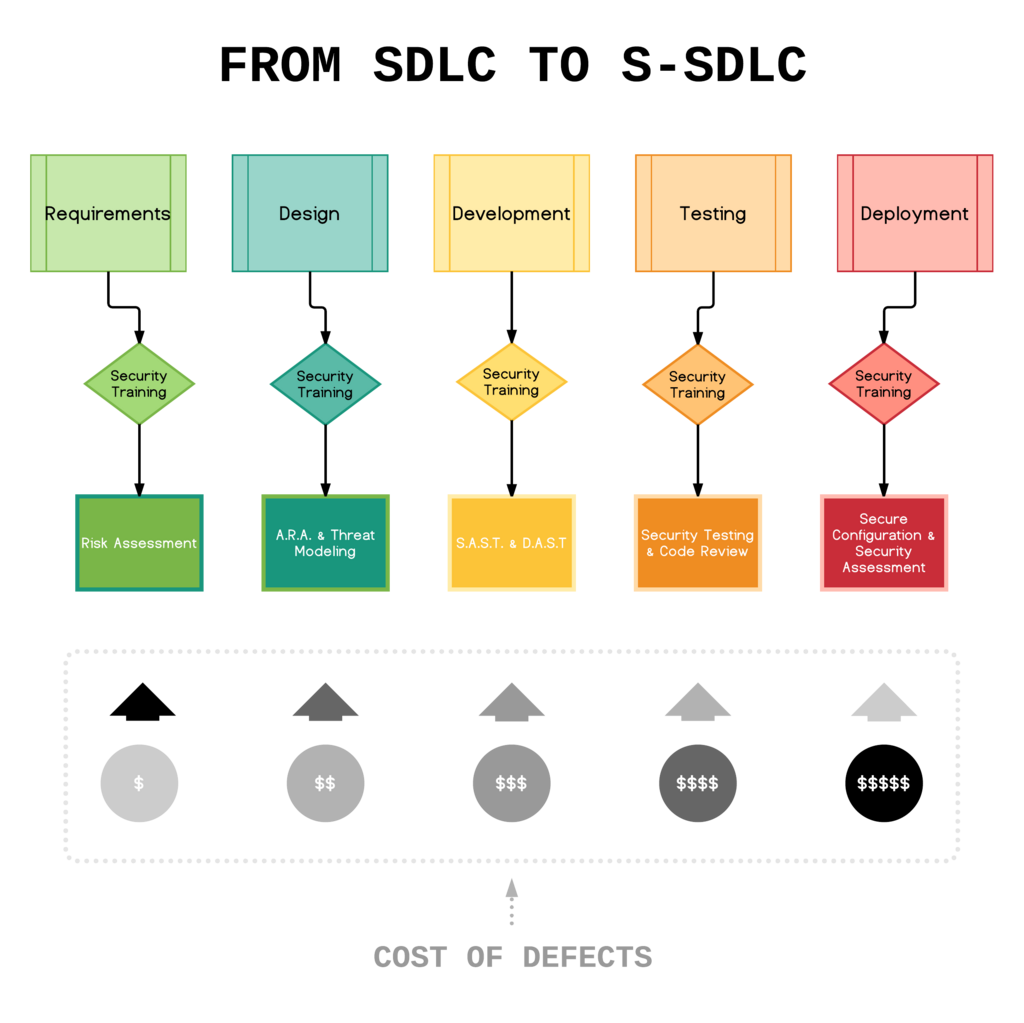
By focusing on the "what" and "why" before the "how," Spec-Driven Development helps teams build the right product from the very beginning. It's a shift in mindset that fosters collaboration, reduces waste, and ultimately results in higher-quality software.
What is the primary principle of Spec-Driven Development (SDD)?
In Spec-Driven Development, what is the main purpose of the specification document?