Mastering Spec Driven Development
Shift to Design-First
The Shift to Design-First
In traditional software development, the process often starts with code. A team gets a set of requirements, dives into implementation, and builds out the logic. Documentation is frequently an afterthought, generated from the code itself. This is the 'code-first' paradigm.
This approach leads to a reactive cycle: implement, generate docs, then patch the inconsistencies when other teams find them during integration. It's inefficient and prone to error.
This method works for quick prototypes or small internal tools, but it crumbles under pressure. As teams grow and systems become more complex, this undisciplined approach, sometimes called 'Vibe Coding', creates significant friction. Frontend and backend teams work with different assumptions, documentation quickly falls out of sync with reality, and integration becomes a painful, bug-ridden process.
Spec-Driven Development (SDD) flips this model. It starts not with code, but with a specification. This spec acts as a formal contract that defines exactly how the system will behave. Before a single line of implementation is written, all stakeholders—frontend, backend, QA, and even product managers—can review, validate, and agree on the system's architecture. This is the essence of the design-first paradigm.
The API as a Product
Adopting a design-first approach requires a mental shift: you must treat your API as a product. Its consumers are other developers, both internal and external. Just like any good product, an API needs to be reliable, well-documented, and easy to use. When the API is the product, the specification becomes its most important feature.
This mindset forces you to think about the developer experience from the very beginning. What are the most intuitive endpoint names? Is the data structure logical? How will authentication work? Answering these questions in the design phase, rather than during a frantic coding sprint, leads to a more robust and coherent system.
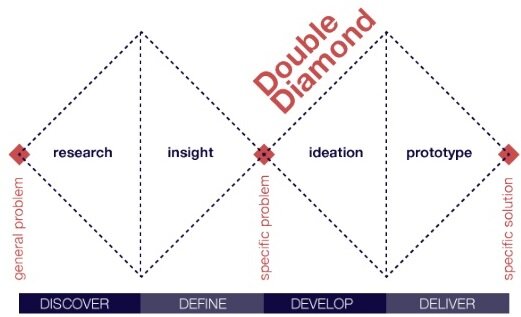
A common critique of this approach is the 'design tax'—the extra time spent creating a detailed specification upfront. It can feel like a slowdown, especially for teams accustomed to jumping straight into code. However, this initial investment pays dividends by preventing costly problems later.
Think of it like building a house. You wouldn't start pouring a foundation without a detailed blueprint. The blueprint is the 'design tax'. It takes time to create, but it prevents you from realizing halfway through construction that the walls don't line up. In software, this upfront planning prevents integration nightmares and reduces drift between what the documentation says and what the code actually does.
Your Spec, Your Truth
In a code-first world, the code itself is the ultimate source of truth. But code is for machines to execute, not for humans from different teams to align on. It's often dense and lacks the high-level context needed for cross-team collaboration.
In SDD, the specification becomes the single source of truth. It's a human-readable and machine-readable document that dictates the system's behavior. When a developer has a question about an endpoint or a data model, they consult the spec, not the codebase. This ensures everyone is working from the same playbook, dramatically reducing ambiguity and miscommunication.
Spec-Driven Development (SDD) is a methodology where you write detailed specifications BEFORE generating code, making the spec—not the code—your source of truth.
This approach isn't a silver bullet. For a quick, disposable script or a hackathon project, the overhead of SDD is likely unnecessary. But for production-grade systems that need to be maintained, scaled, and understood by multiple teams over time, making the spec your source of truth is a fundamental step toward professional, sustainable engineering.
Ready to test your understanding of these core principles?
What is the primary difference between a 'code-first' approach and Spec-Driven Development (SDD)?
In the context of SDD, what does the term 'design tax' refer to?
By embracing this shift in mindset, you lay the groundwork for building more reliable and maintainable systems.