Mastering Spanish Language Instruction
Introduction to Spanish
The Spanish Alphabet
Welcome to Spanish! The best place to start is with the building blocks of the language: the alphabet. The good news is that it's very similar to the English alphabet. It has the same 26 letters, plus one extra character you might not recognize: the letter ñ.
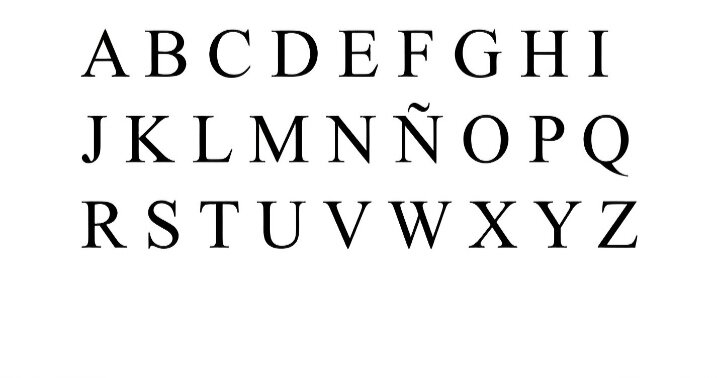
While the letters look familiar, their sounds are more consistent in Spanish. This is especially true for the vowels. Unlike in English, where a vowel can have many different sounds, in Spanish, they almost always sound the same. Mastering these five sounds is a huge step toward clear pronunciation.
A is always 'ah' (like the 'a' in 'father'). E is always 'eh' (like the 'e' in 'pet'). I is always 'ee' (like the 'ee' in 'see'). O is always 'oh' (like the 'o' in 'go'). U is always 'oo' (like the 'oo' in 'moon').
Once you learn the sound of each Spanish letter, you can pronounce almost any word you see. There are very few tricky exceptions.
A few consonants are also pronounced differently. The letter j sounds like the English 'h', as in the word 'jalapeño'. The letter h is always silent. The double-L, ll, usually sounds like the 'y' in 'yes'. And the unique ñ sounds like the 'ny' in 'canyon'.
Simple Greetings
Now that you have a feel for the sounds, let's learn how to say hello. The most common greeting in Spanish is simple, direct, and friendly.
Hello
Remember, the h is silent! You can use Hola at any time of day, in any situation. It's a perfect all-purpose greeting.
For more specific times of day, you can use these phrases:
| Spanish Phrase | Pronunciation | English Meaning |
|---|---|---|
| Buenos días | BWAY-nohs DEE-ahs | Good morning |
| Buenas tardes | BWAY-nahs TAR-dehs | Good afternoon |
| Buenas noches | BWAY-nahs NOH-chehs | Good evening / Good night |
After greeting someone, it's natural to ask how they are doing. The most common way to ask "How are you?" is ¿Cómo estás?
Notice the upside-down question mark at the beginning. In Spanish, all questions start with one. It's a helpful signal that a question is coming up. To answer, you can say estoy bien.
I'm well
Polite Expressions
Being polite is important in any language. Two of the most essential words to learn are por favor and gracias. Using them will make your interactions much smoother.
Please
Thank you
If someone says gracias to you, a polite response is de nada.
You're welcome
Finally, when you're leaving, you'll need to know how to say goodbye. The most famous way is adiós, but a more common, casual phrase you'll hear is hasta luego.
See you later
What’s the first thing you usually learn when learning a new language? Greetings!
Now, let's practice what you've learned.
Besides the 26 letters of the English alphabet, what additional letter is found in the Spanish alphabet?
How is the Spanish vowel 'E' consistently pronounced?
Great work. With these basics, you're on your way to having your first conversations in Spanish.