Mastering Spanish for English Speakers
Spanish Alphabet and Pronunciation
The Spanish Alphabet
The Spanish alphabet is your first step to reading and speaking the language. It's very similar to the English alphabet, which gives you a great head start. The main difference is the addition of one special letter: ñ.
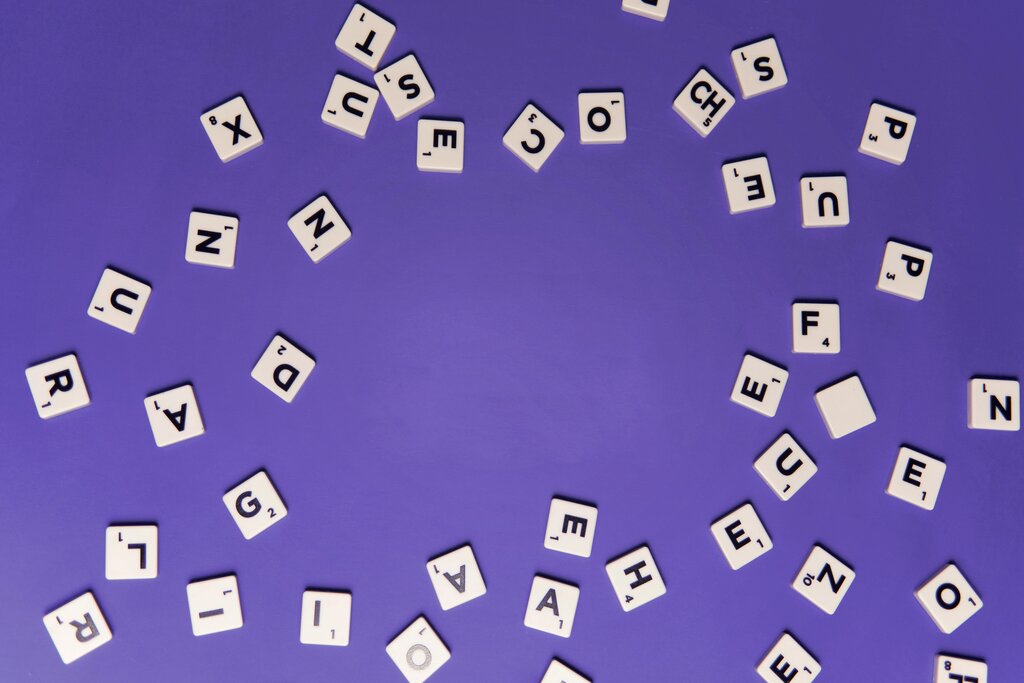
Each letter in Spanish has a name, just like in English. Knowing the names helps when you need to spell something out. The key to Spanish pronunciation is consistency. Once you learn the sound a letter makes, it will almost always make that same sound. This is very different from English, where a letter like 'a' can sound completely different in 'cat', 'father', and 'late'.
| Letter | Name | Pronunciation Example |
|---|---|---|
| A, a | a | like the 'a' in 'father' |
| B, b | be | like the 'b' in 'boy' |
| C, c | ce | like 'k' or 's' (more on this later) |
| D, d | de | like the 'd' in 'dog' |
| E, e | e | like the 'e' in 'they' |
| F, f | efe | like the 'f' in 'fun' |
| G, g | ge | like 'g' or 'h' (more on this later) |
| H, h | hache | silent! |
| I, i | i | like the 'ee' in 'see' |
| J, j | jota | like the 'h' in 'hello' |
| K, k | ka | like the 'k' in 'kite' (rarely used) |
| L, l | ele | like the 'l' in 'love' |
| M, m | eme | like the 'm' in 'mom' |
| N, n | ene | like the 'n' in 'no' |
| Ñ, ñ | eñe | like the 'ny' in 'canyon' |
| O, o | o | like the 'o' in 'go' |
| P, p | pe | like the 'p' in 'pop' |
| Q, q | cu | like the 'k' in 'quick' (always followed by 'u') |
| R, r | ere | a soft, tapped 'r' |
| S, s | ese | like the 's' in 'see' |
| T, t | te | like the 't' in 'top' |
| U, u | u | like the 'oo' in 'moon' |
| V, v | uve | like the 'b' in 'boy' |
| W, w | uve doble | like the 'w' in 'water' (rarely used) |
| X, x | equis | like 'x' in 'taxi' or sometimes 'h' |
| Y, y | i griega | like 'y' in 'yes' or 'ee' in 'see' |
| Z, z | zeta | like the 's' in 'sun' |
The Five Vowel Sounds
Mastering the five Spanish vowels is the secret to good pronunciation. They are short, crisp, and always sound the same. Forget all the different ways vowels are pronounced in English. In Spanish, it's simple.
- A is always 'ah' like in "father."
- E is always 'eh' like in "met."
- I is always 'ee' like in "see."
- O is always 'oh' like in "go."
- U is always 'oo' like in "moon."
That's it. Practice these five sounds until they feel natural. If you can pronounce the vowels correctly, native speakers will understand you much more easily.
bat
This word for "bat" is famous in Spanish because it contains all five vowels. Try saying it out loud, focusing on keeping each vowel sound short and pure: moor-see-EH-lah-goh.
Tricky Consonants
While most Spanish consonants sound like their English counterparts, a few have unique rules you need to know.
| Consonant(s) | Rule | Example |
|---|---|---|
| C | Before 'a', 'o', 'u', it sounds like a k. Before 'e' or 'i', it sounds like an s. | casa (house), cero (zero) |
| G | Before 'a', 'o', 'u', it's a hard g like in "go." Before 'e' or 'i', it sounds like the Spanish j (an English h sound). | gato (cat), gente (people) |
| H | Always silent. Pretend it isn't there. | hola (hello), huevo (egg) |
| J | Sounds like the 'h' in "house," but a bit stronger, from the back of your throat. | jardín (garden), rojo (red) |
| LL | Sounds like the 'y' in "yes." | llave (key), calle (street) |
| Ñ | This is its own letter. It sounds like the 'ny' in "canyon." | año (year), español (Spanish) |
| R | At the beginning of a word or after 'n', 'l', or 's', it's rolled. Between two vowels, it's a quick tap of the tongue. | rojo (red), pero (but) |
| RR | This is a fully trilled or rolled 'r'. It's a very distinct sound. | perro (dog), carro (car) |
| V | In Spanish, the 'v' and 'b' sound identical. Both are pronounced like the English 'b'. | vaso (glass), vivir (to live) |
| Z | Sounds like an 's'. | zapato (shoe), azul (blue) |
Notice the difference between pero (but) with a single, soft 'r', and perro (dog) with a rolled 'rr'. This one distinction changes the entire meaning of the word.
Stress and Accent Marks
Knowing which syllable to stress is crucial for sounding natural. Luckily, Spanish has very predictable rules for this. The written accent mark (´), called a tilde, shows you when to break the rules.
Rule 1: Stress the second-to-last syllable. If a word ends in a vowel (a, e, i, o, u), an 'n', or an 's', the natural stress falls on the second-to-last syllable.
casa(CA-sa)comen(CO-men)libros(LI-bros)
Rule 2: Stress the last syllable. If a word ends in any consonant other than 'n' or 's', the stress falls on the final syllable.
ciudad(ciu-DAD)hablar(ha-BLAR)reloj(re-LOJ)
The Exception: Accent Marks When you see an accent mark on a vowel, that's your cue to ignore the rules and stress that specific syllable.
teléfono(te-LÉ-fo-no) - Without the accent, the stress would be on 'fo'.árbol(ÁR-bol) - Without the accent, the stress would be on 'bol'.canción(can-CIÓN) - Without the accent, the stress would be on 'can'.
Accent marks can also change a word's meaning. For example, si means 'if', while sí means 'yes'.
Now let's review what we've covered.
What is the one letter in the Spanish alphabet that does not exist in the English alphabet?
In Spanish, the vowel 'E' is consistently pronounced like the 'e' in which English word?