Mastering Space Systems and Communications
Space Mission Design
From Idea to Orbit
Every space mission, from a small satellite to a Mars rover, starts with a single question: Why are we going?
The answer to this question forms the mission objective. It's the big-picture goal. Are we trying to find water on the Moon? Study solar flares? Provide internet access to rural areas? This objective is the guiding star for the entire project.
A clear objective is the foundation of a successful mission. Without one, a project can drift off course, wasting time and resources.
Once the objective is set, it's broken down into specific, measurable mission requirements. These are the detailed tasks the spacecraft must accomplish to meet the overall goal. Think of it like planning a trip. The objective is your destination, like a national park. The requirements are the specific things you need to do, like book a campsite, pack a tent, and map your hiking trails.
| Element | Description | Example (Mars Rover Mission) |
|---|---|---|
| Objective | The high-level goal of the mission. | To search for signs of past microbial life on Mars. |
| Requirement | A specific, testable condition needed to meet the objective. | The rover must be able to collect and analyze rock samples. |
| Constraint | A limitation or restriction on the project. | The total mission cost cannot exceed $2.5 billion. |
Gathering the Stakeholders
A space mission is never a solo effort. It involves a wide range of people and organizations called stakeholders. Each stakeholder has an interest in the mission's outcome. The primary stakeholders are typically:
- Scientists: They define the scientific questions the mission aims to answer.
- Engineers: They design and build the hardware and software to meet the requirements.
- Funding Agencies: Groups like NASA, ESA, or private investors who provide the budget.
- The Public: Taxpayers often fund government missions, making them important stakeholders whose support can be crucial.
Engaging with all stakeholders early in the design process is vital. Scientists might want an instrument that is too heavy, and engineers need to explain the technical constraints. The funding agency will have the final say on the budget, which limits what's possible. It's a balancing act of negotiation and compromise to ensure the mission is both scientifically valuable and technically achievable within its constraints.
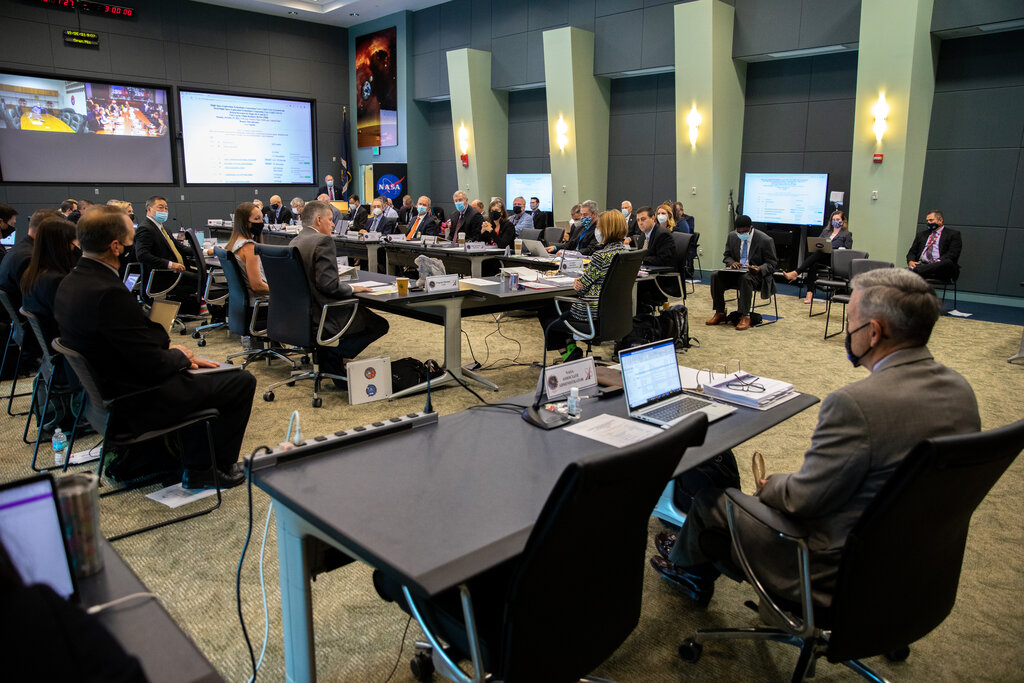
Is It Possible?
With objectives and requirements in hand, the next step is a feasibility analysis. This is a crucial reality check. The team asks a fundamental question: Can we actually do this?
A feasibility study examines the mission from multiple angles:
- Technical Feasibility: Does the technology needed for this mission exist? If not, can we develop it in time and on budget? For example, a mission to land on Venus would need to overcome the planet's extreme heat and pressure, a major technical hurdle.
- Economic Feasibility: Can we afford it? The study develops a rough cost estimate. If the price tag is too high, the mission concept may need to be scaled back or cancelled.
- Schedule Feasibility: Can we build and launch it within a realistic timeframe? Some missions have tight launch windows they must hit to take advantage of planetary alignments.
If the analysis shows the mission is feasible, the team can move on to the preliminary design phase. This is where the mission starts to take shape. Engineers create the first high-level blueprints of the spacecraft and the mission plan. This isn't about fine details yet; it’s about creating a basic concept, or a "concept of operations," that shows how all the pieces will work together to achieve the mission objectives.
These initial steps—defining objectives, engaging stakeholders, checking feasibility, and creating a preliminary design—form the critical foundation of any space mission. Getting this stage right sets the project up for success as it moves into more detailed design and construction.
What is the primary role of a mission objective in a space mission?
How do mission requirements relate to the mission objective?