Mastering Sourdough Bread Baking
Introduction to Sourdough
The Original Leavened Bread
Sourdough isn't just a flavor; it's a method. It's the oldest way of making bread rise, dating back thousands of years. Instead of using neat packets of commercial yeast from the store, sourdough relies on a living culture of wild yeast and bacteria captured from the environment.
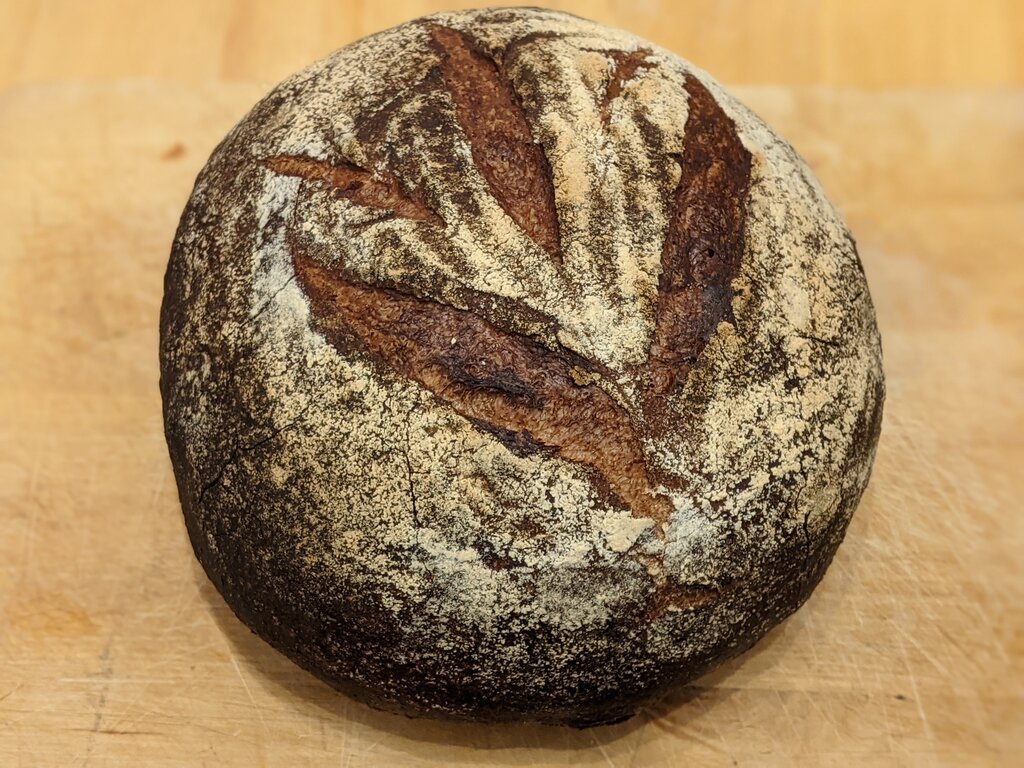
This culture, often called a "starter" or "levain," is a simple, bubbly mixture of flour and water. By regularly "feeding" it with fresh flour and water, bakers keep the microscopic community alive and active, ready to leaven a loaf of bread at any time.
At the heart of sourdough is the process of fermentation, a natural method of leavening bread that distinguishes it from commercial yeast-based bread.
A Microscopic Team
A sourdough starter is a bustling ecosystem. It’s home to two key players working together: wild yeast and lactic acid bacteria. These microorganisms are naturally present on the grains used to make flour, in the air, and even on the baker's hands.
When flour and water are mixed and left to sit, these tiny helpers get to work. This process is called fermentation. The yeast consumes the simple sugars in the flour and releases carbon dioxide gas. These gas bubbles get trapped in the dough's gluten network, causing it to rise and creating the airy, open texture we love in bread.
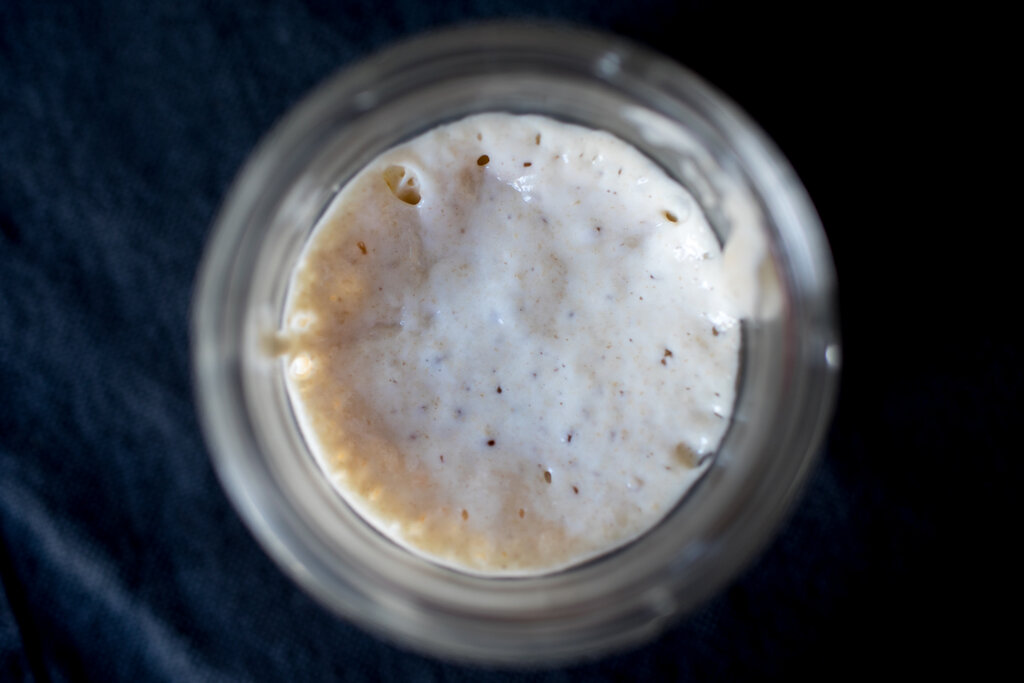
But the yeast isn't working alone. The bacteria, primarily from the Lactobacillus family, also feed on the sugars. Instead of just producing gas, they produce acids, mainly lactic acid and acetic acid. These acids are what give sourdough its signature tangy flavor and help preserve the bread naturally.
Sourdough vs Commercial Yeast
The bread you typically find in a supermarket is made with commercial baker's yeast. This yeast is a single, highly cultivated strain (Saccharomyces cerevisiae) selected for its ability to produce a lot of gas very quickly. It's predictable and efficient.
Sourdough is different. Its leavening power comes from a diverse community of wild yeasts which work more slowly. This extended fermentation time is crucial. It allows for more complex flavors to develop and makes the final bread more digestible for some people, as the bacteria have more time to break down starches and proteins in the flour.
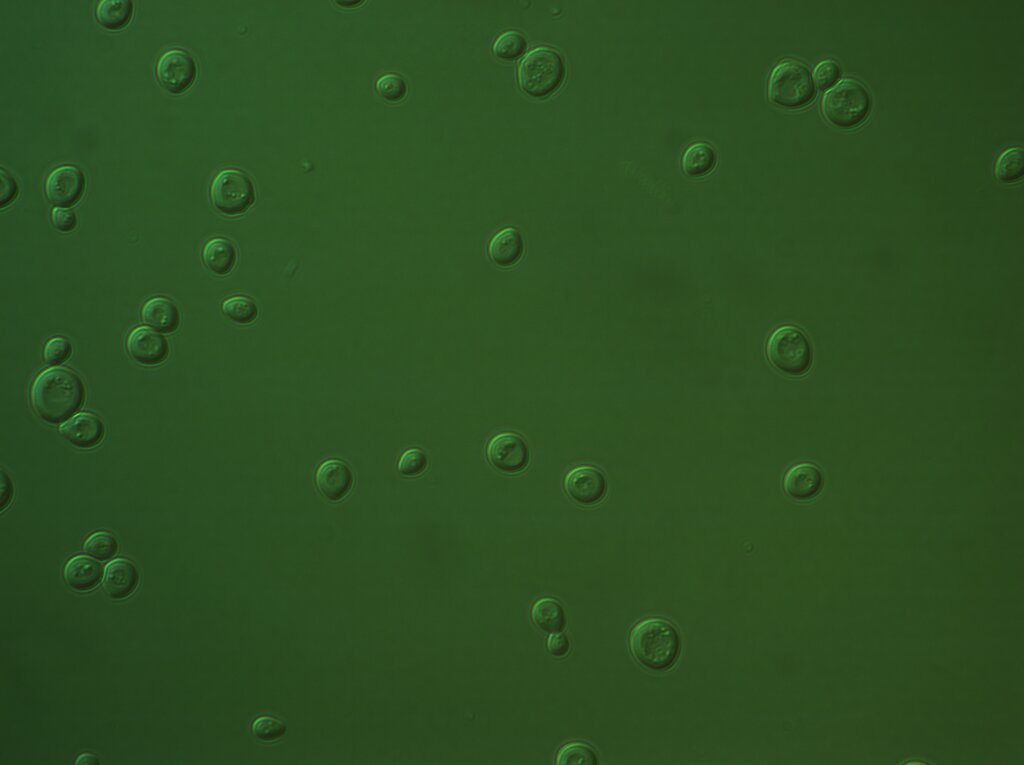
This fundamental difference in leavening leads to distinct results in the final loaf.
| Feature | Sourdough Bread | Commercial Yeast Bread |
|---|---|---|
| Leavening Agent | Wild yeast & bacteria | Cultivated yeast strain |
| Fermentation Time | Long (hours to days) | Short (1-3 hours) |
| Flavor Profile | Complex, tangy, deep | Mild, sometimes slightly sweet |
| Crust & Crumb | Chewy, open crumb; crisp crust | Soft, uniform crumb; soft crust |
Neither method is better than the other; they simply produce different kinds of bread. Sourdough baking is a craft that celebrates a slower, more natural process, resulting in a loaf with a unique character and history in every bite.
Ready to check your understanding?
What are the two primary types of microorganisms working together in a sourdough starter?
What is the main role of the lactic acid bacteria in sourdough?
Understanding these core ideas is the first step. It's all about harnessing a natural process to create something truly special from just flour, water, and salt.