Mastering Sourdough Bread
Understanding Sourdough
The Original Leavened Bread
Sourdough isn't a specific type of bread, but a method of making it. Instead of using packaged yeast from the store, sourdough relies on a living culture of wild yeast and bacteria to make the dough rise. This culture, called a starter or leaven, is just a simple mix of flour and water that has been allowed to ferment.
This method is ancient. For thousands of years, long before commercial yeast was available, all leavened bread was made this way. It’s a return to the fundamentals of baking, using natural processes to transform simple ingredients into something extraordinary.
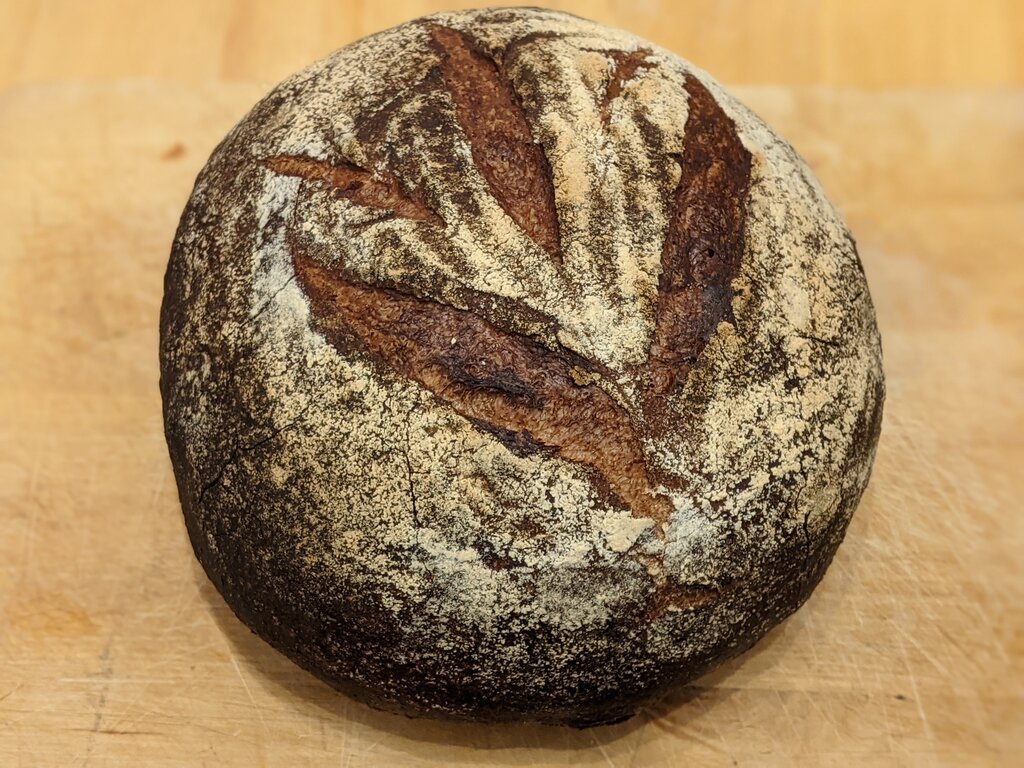
Flavor, Texture, and Time
Anyone who has tasted sourdough knows its signature feature: a pleasant, tangy flavor. This isn't just a gimmick; it's the taste of fermentation. The culture used to raise the dough contains not only yeast but also lactic acid bacteria. These bacteria produce acids that give the bread its complex, slightly sour taste and also help to preserve it.
This natural leavening process takes time. The slow fermentation develops a unique texture: a chewy, open interior (called the crumb) and a crisp, crackly crust. The longer fermentation also gives sourdough a better shelf-life than most commercial breads, as the acidity helps inhibit mold growth.
The magic of sourdough lies in the balance between wild yeast for lift and bacteria for flavor.
Meet the Microbes
So, what’s really happening in that bubbling starter? It’s a symbiotic community of microorganisms working together. Wild yeast, which is present on the grains of flour and in the air, consumes the sugars in the flour and releases carbon dioxide gas. This gas gets trapped in the dough, causing it to rise.
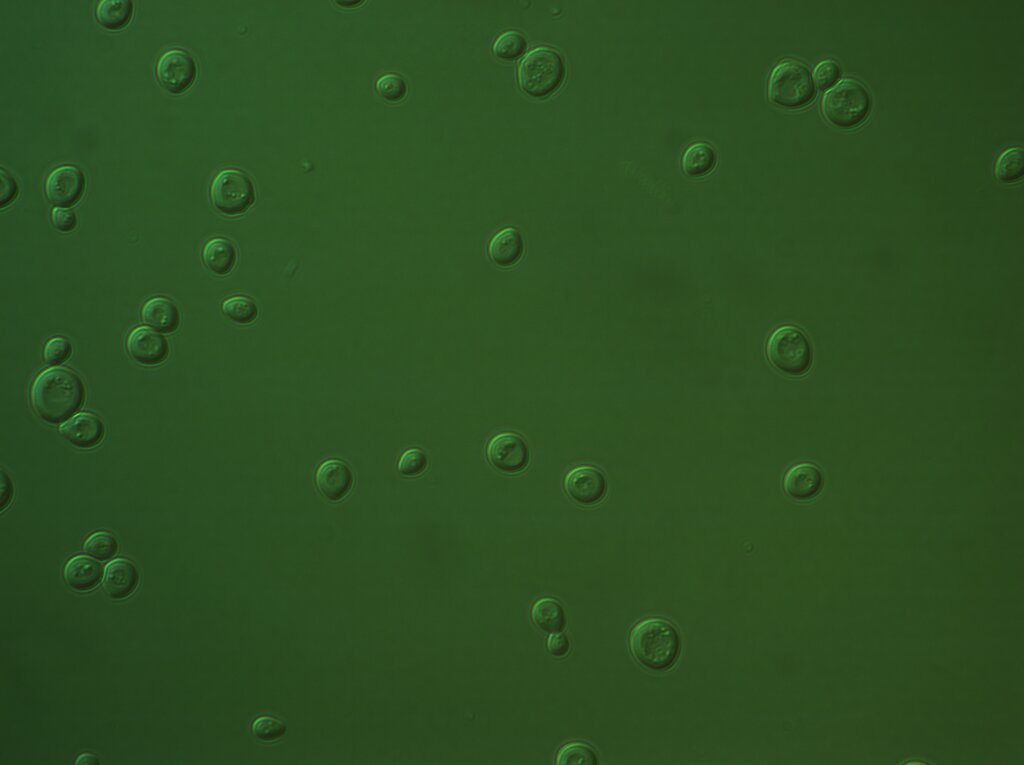
Meanwhile, beneficial bacteria, primarily from the Lactobacillus family, are also at work. They break down carbohydrates and produce lactic and acetic acids. These acids are responsible for the bread's tangy flavor and also make the nutrients in the flour more available for our bodies to absorb. This pre-digestion by the microbes can make sourdough easier on the gut than breads made with commercial yeast.
This entire process is called fermentation. It's the same natural process used to make yogurt, kimchi, and kombucha. In bread, it creates a loaf with more flavor, a better texture, and a longer life.
Now that you understand the what and the why of sourdough, let's test your knowledge.
What is the primary leavening agent in sourdough bread?
What is the primary cause of sourdough's signature tangy flavor?
This foundation in fermentation is the key to all sourdough baking. Up next, we'll explore how to cultivate and maintain your very own sourdough starter.