Mastering Software Product Organizations
Foundations of Product Management
What Is Product Management?
Product management is the art and science of guiding a product from a simple idea to a successful launch and beyond. It's about ensuring a company builds the right product for the right people.
At the center of this process is the product manager, or PM. Think of a PM as the conductor of an orchestra. They don't play every instrument, but they ensure all the musicians—engineers, designers, marketers, and sales teams—are playing in harmony to create a beautiful piece of music. The PM sets the vision for the product and makes sure everyone is working together toward the same goal.
Product managers are strategic thinkers who own the product vision and make informed decisions about which features to build based on user needs and market opportunities.
A product manager’s main job is to answer three crucial questions:
- What should we build?
- Why should we build it?
- How will we know it’s successful?
By focusing on these questions, they bridge the gap between business goals, technology constraints, and user needs.
Aligning Technology and Business
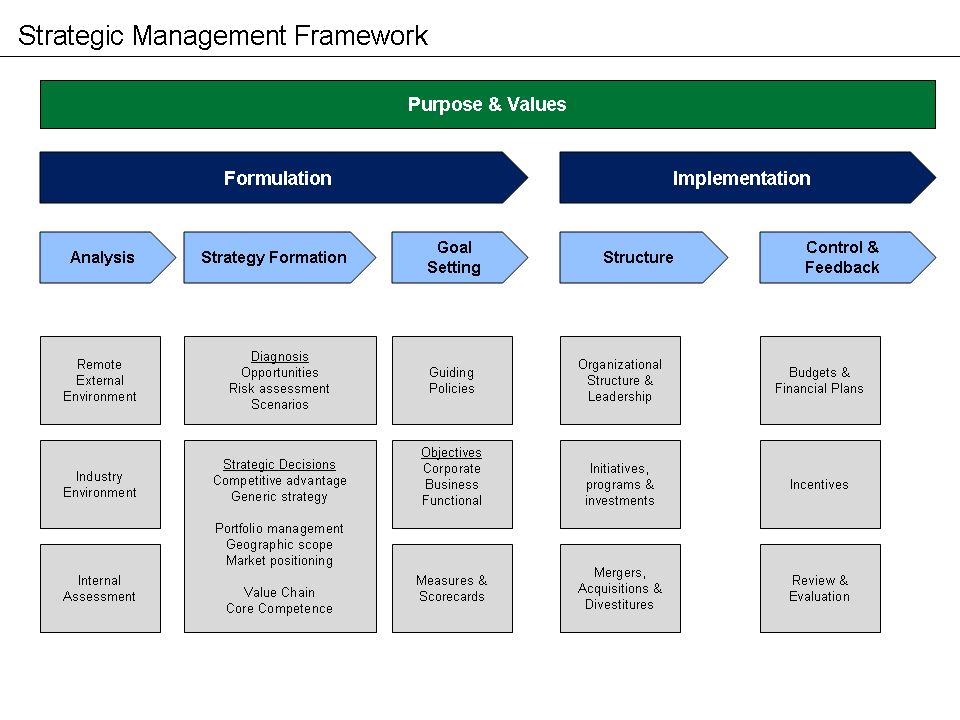
It’s easy to get excited about new technology, but building something just because it's innovative isn't enough. A product must also serve the company's larger objectives, whether that's increasing revenue, expanding into a new market, or improving operational efficiency.
A key role of the product manager is to ensure that the technology being developed directly supports these business goals. They constantly translate business needs into technical requirements for the engineering team, and explain the capabilities and limitations of the technology back to the business leaders.
Technology is the 'how.' Business goals are the 'why.' A product manager's job is to connect them.
This alignment prevents teams from building features that are technically impressive but commercially irrelevant. It keeps everyone focused on creating value.
The Customer Is Key
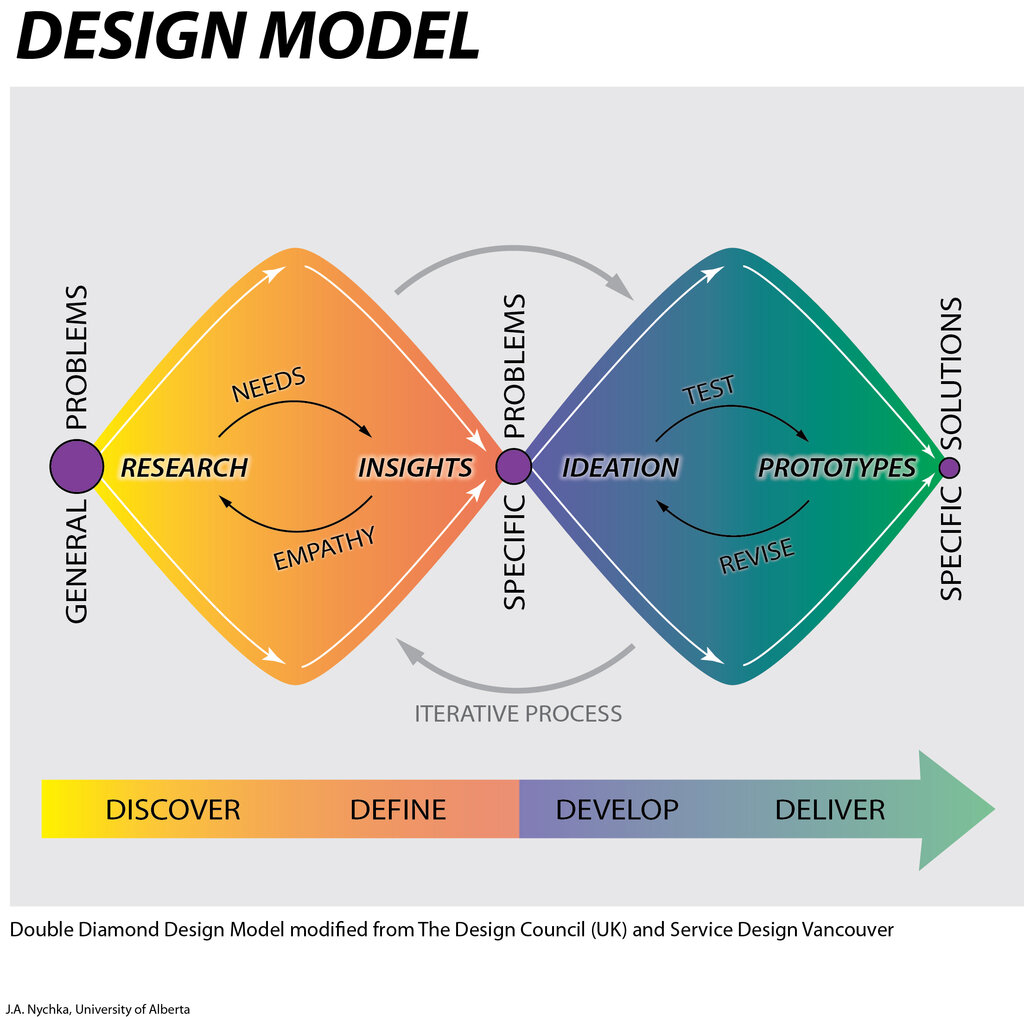
The most successful products solve real problems for people. To do this, you first have to deeply understand those people. This is why understanding customer needs is at the heart of product management.
Product managers become experts on their users. They use interviews, surveys, data analysis, and direct observation to uncover the challenges and desires of their target audience. They build empathy for the user, which allows them to advocate for solutions that will genuinely improve their lives.
Customer-centric product management involves placing the customer at the heart of every decision made throughout the product lifecycle.
This customer focus leads directly to user-centric design, an approach where the end-user is the focal point of every stage of the development process. Instead of asking, “Can we build this?” the team asks, “Should we build this? Will it solve a user problem in an intuitive and elegant way?”
This mindset ensures the final product is not only functional but also easy and enjoyable to use.
Managing the Product Lifecycle
Products, like living things, go through a lifecycle. They are introduced, they grow, they reach maturity, and eventually, they decline. A product manager's job is to guide the product through these stages effectively.
Here's a breakdown of the phases:
- Introduction: The product is launched. The focus is on building awareness and encouraging initial adoption.
- Growth: The product gains traction. The focus shifts to scaling, adding features, and reaching a wider audience.
- Maturity: Sales growth slows as the market becomes saturated. The focus is on retaining customers and defending market share against competitors.
- Decline: The product becomes outdated or irrelevant. The company must decide whether to reinvent the product, phase it out, or replace it with something new.
Throughout this journey, the product manager sets objectives and adjusts the strategy to maximize the product's value at each stage.
Ready to test what you've learned about the foundations of product management?
A product manager is often compared to a conductor of an orchestra. What does this metaphor primarily emphasize?
During which phase of the product lifecycle is the primary focus on retaining customers and defending market share against competitors?
By mastering these core principles, product managers can effectively lead their teams to create products that customers love and that drive business success.