Mastering Socratic Thinking
Socrates and His Era
The World of Socrates
To understand Socrates, you first have to picture his home: Athens in the 5th century BCE. This wasn't just any city; it was the heart of a cultural explosion. After helping lead the Greeks to victory against the Persian Empire, Athens entered its Golden Age. It was a time of tremendous confidence, wealth, and innovation.
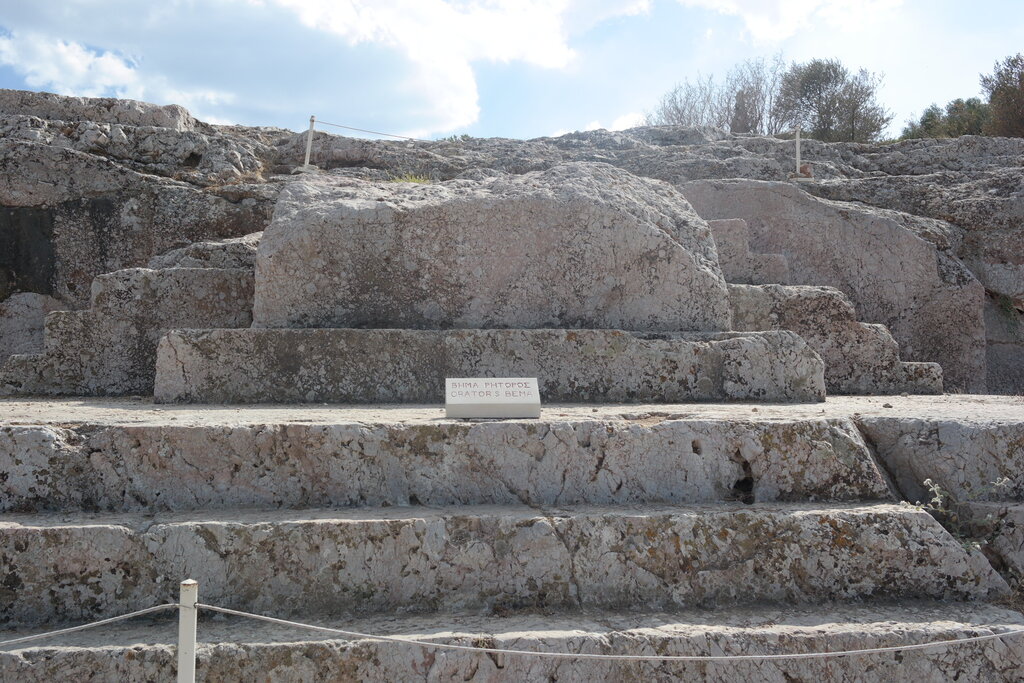
Athenian society was built on a radical new idea: democracy. For the first time in history, citizens (though this was limited to adult free men) could vote directly on laws, serve on juries, and decide matters of state. This created a bustling public square, the agora, where debate and argument were a part of daily life. This political environment valued persuasion and public speaking, making it a fertile ground for new ideas.
Before Socrates
Before Socrates arrived on the scene, Greek thinkers were mostly concerned with the world around them. These philosophers, now called the Pre-Socratics, asked big questions about the nature of the universe. What is everything made of? Is it water, air, or some other fundamental substance? They were the original scientists, trying to find rational explanations for the cosmos instead of relying on the old myths about gods and goddesses.
Then came the Sophists. They were traveling teachers who taught rhetoric, the art of persuasive speaking. In a democracy like Athens, being a good speaker was a ticket to power and influence. The Sophists taught young men how to win arguments, often for a high fee. They weren't as concerned with finding universal truth as they were with achieving practical success.
The Pre-Socratics looked at the stars and asked 'What is the world?' The Sophists looked at society and asked 'How can I win?' Socrates would soon arrive to ask a different question entirely: 'How should we live?'
A Man of the People
Socrates was not a typical philosopher. He didn't come from a wealthy family, he wrote no books, and he didn't run a formal school. He was the son of a stonemason and a midwife, and he spent his days wandering the streets and marketplaces of Athens, talking to anyone who would listen.
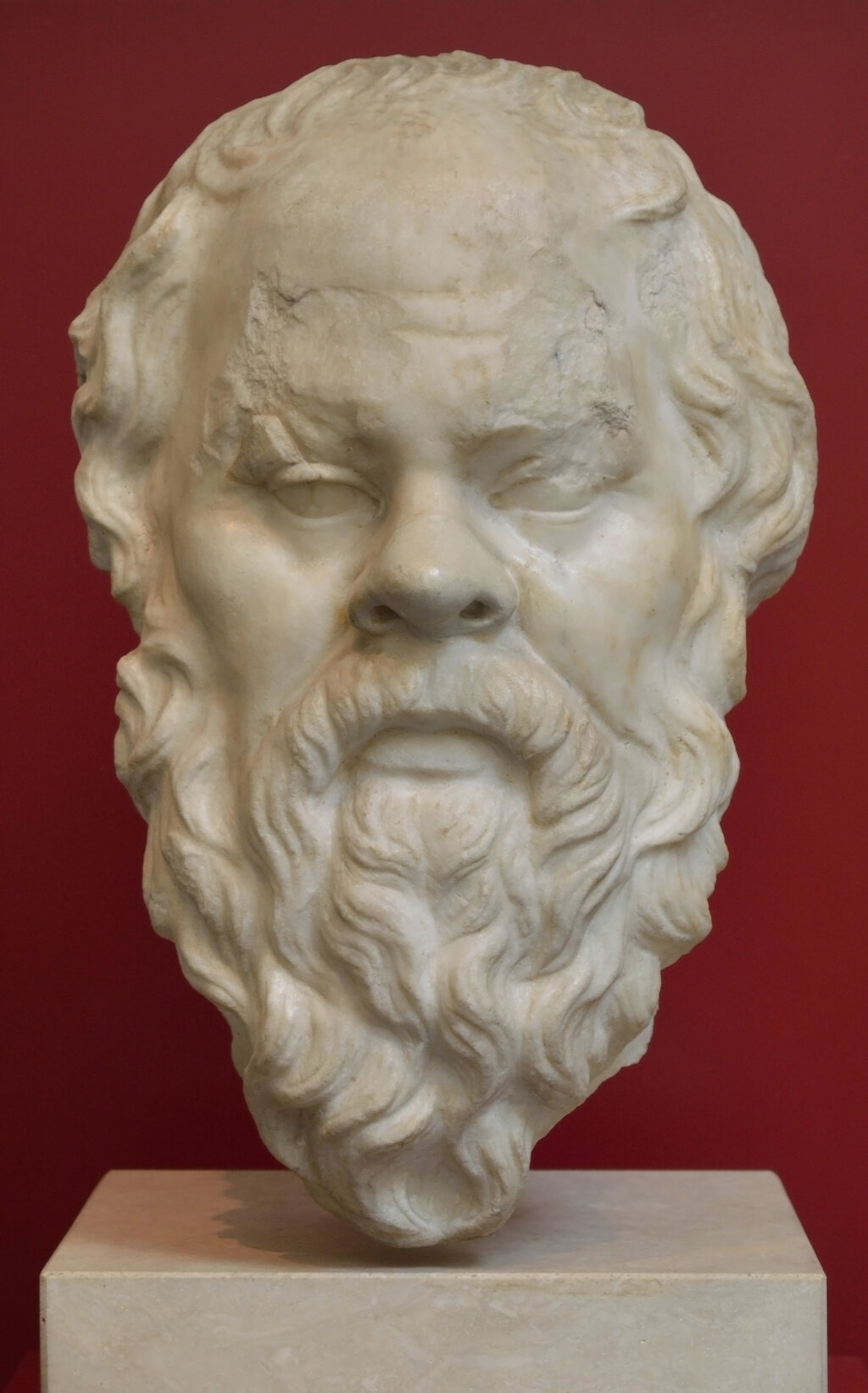
He would approach a respected politician, a celebrated poet, or a skilled craftsman and start a conversation. He would ask a simple question, like "What is justice?" or "What is courage?" The person would give a confident, conventional answer. But Socrates, with a series of careful, probing questions, would show them that their answer was full of contradictions. He claimed to know nothing himself, acting only as an intellectual "midwife" to help others give birth to their own ideas.
The Gadfly on Trial
Socrates lived through a period of intense turmoil. Athens fought and lost a long, devastating war with Sparta, known as the Peloponnesian War. The conflict shattered the city's confidence and its democratic government was briefly overthrown. In this climate of fear and instability, Socrates' constant questioning of authority and tradition began to look dangerous.
He had made many powerful enemies by embarrassing them in public. In 399 BCE, at the age of 70, Socrates was put on trial. The official charges were impiety (not respecting the city's gods) and corrupting the youth. Many of his young followers had turned against Athens, and his critics blamed his influence.
Socrates refused to apologize or abandon his philosophical mission. He argued that he was a "gadfly" sent by the gods to stir the lazy horse of Athens into action, forcing it to examine its own beliefs. The jury found him guilty and sentenced him to death.
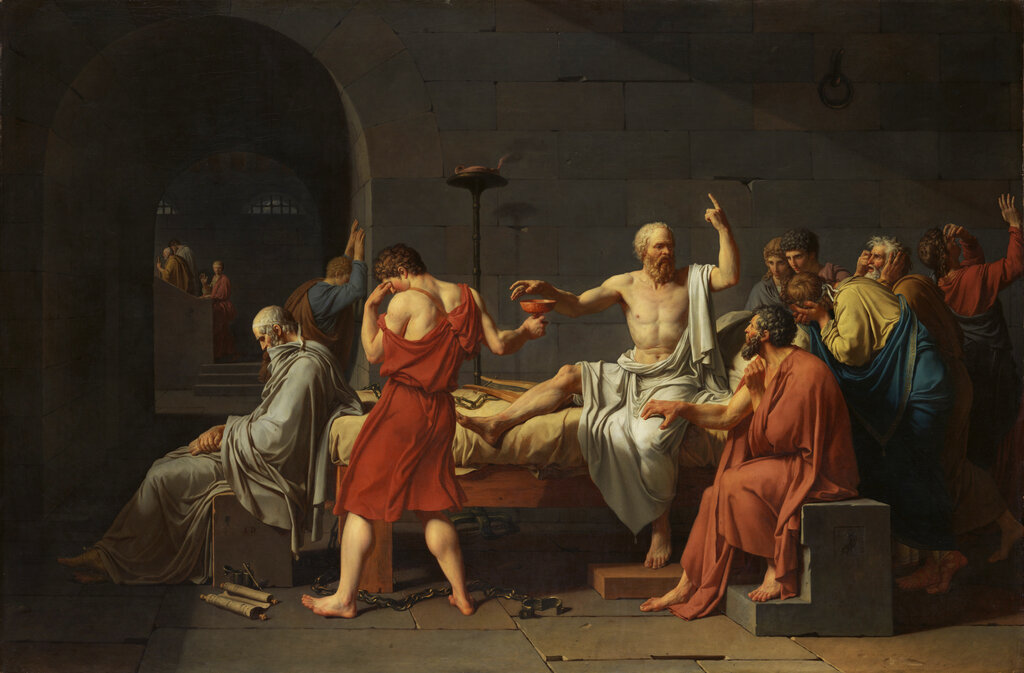
By forcing Athens to confront its own certainties, Socrates set the stage for a new era of philosophy. His life and death raised fundamental questions about truth, virtue, and the individual's duty to the state, questions his student Plato would spend a lifetime trying to answer.