Mastering Soccer Excellence
Technical Skills
Master the Fundamentals
Every great soccer player, from the local leagues to the World Cup stage, is built on a foundation of solid technical skills. These are the tools you use in every moment of the game. Mastering them isn't about flashy tricks; it's about making the ball an extension of your body, allowing you to play with speed, confidence, and creativity.
Technique forms the foundation of every great player.
First Touch is Everything
Ball control starts the moment the ball arrives at your feet. A good first touch gives you time and space, while a poor one invites pressure from opponents. The goal is to receive the ball and instantly have it in a position to make your next move, whether that's a pass, a dribble, or a shot.
To develop a clean first touch, you need to learn how to cushion the ball. Think of your foot, thigh, or chest as a shock absorber. Instead of meeting the ball with a hard surface, you relax and pull the surface away slightly upon impact. This deadens the ball's momentum and keeps it close to you. Practice receiving passes from different heights and speeds, using all legal parts of your body.

Passing and Moving
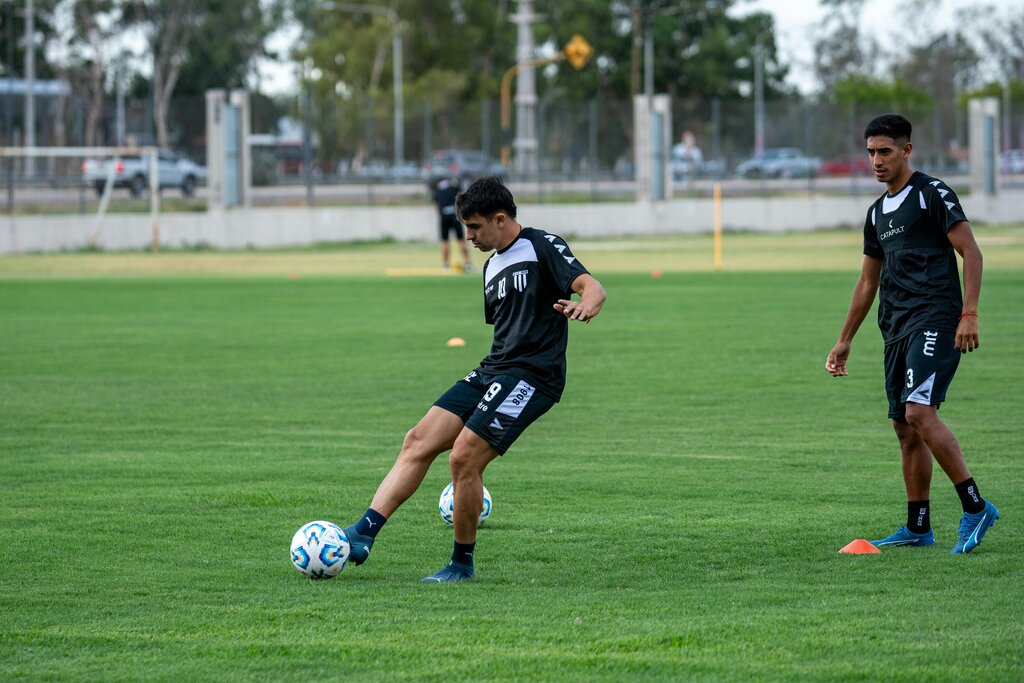
Soccer is a team game, and passing is how you connect with your teammates. The best passes are accurate, properly weighted, and sent to a place where the receiver can easily control them.
The most common and reliable pass is made with the inside of the foot. It offers a large surface area for control and accuracy. For longer, more powerful passes, you'll use your laces. This requires more precision but can switch the point of attack or send a teammate through on goal.
Practice is key. Start by passing with a partner over short distances, focusing on a crisp, clean connection. As you improve, increase the distance and practice passing to a moving target. Always remember to look up and scan the field before you even receive the ball.
Dribbling and Shooting
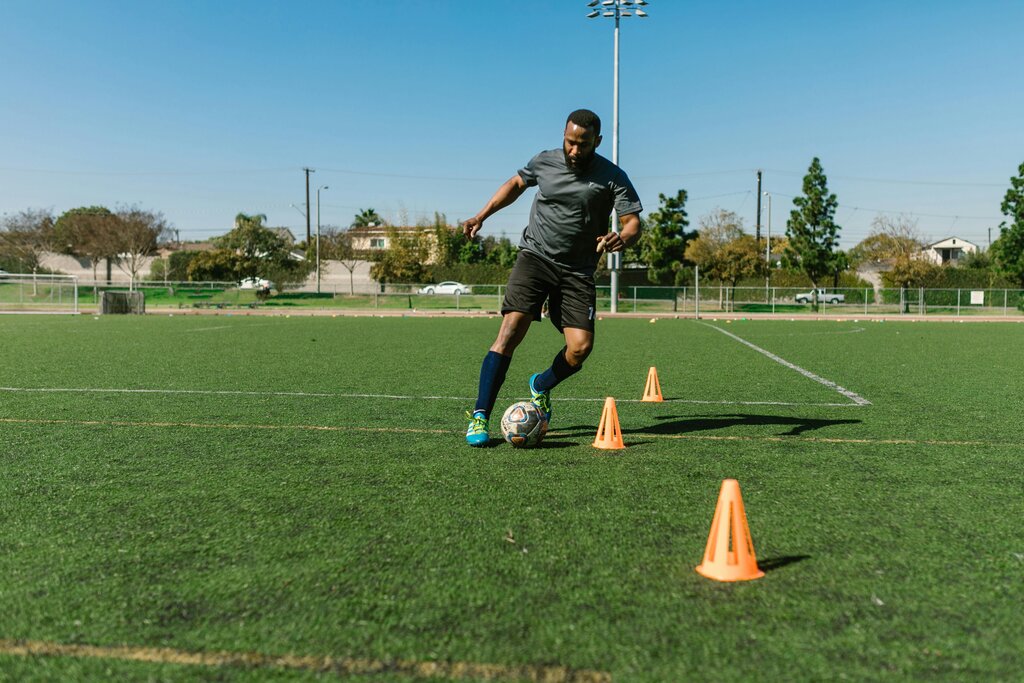
Dribbling is the art of moving the ball while running. It's how you beat defenders and create scoring opportunities. Good dribblers keep the ball close, using soft, frequent touches with both the inside and outside of their feet. This allows for quick changes of direction. They also keep their head up, scanning for defenders and open space, not staring down at the ball.
Shooting is the ultimate goal, and proper technique generates both power and accuracy. When striking the ball, your non-kicking foot should be planted firmly alongside it, pointing toward your target. Strike the center of the ball with the hard, bony part of your foot (your laces). Your body should be over the ball to keep the shot low, and a strong follow-through in the direction of the target is crucial for power and precision.
Power comes from technique, not just brute force. A clean strike with proper form will always be more effective than a wild swing.
Solid Defense
Defense is as much a technical skill as any attacking move. It starts with good positioning. Always try to keep your body between the attacker and the goal. Adopt a low, balanced stance with your knees bent and weight on the balls of your feet. This allows you to react and change direction quickly.
When you move in to make a tackle, timing is everything. Don't dive in recklessly. Instead, jockey the attacker, forcing them into a less dangerous area. Wait for them to take a heavy touch or show you the ball, and then make your move. A clean standing tackle uses the inside of the foot to poke the ball away from the opponent's control.
Mastering these five areas—control, passing, shooting, dribbling, and defending—will give you the complete technical toolkit to excel on the field. They are the language of soccer, and fluency comes from constant, dedicated practice.