Mastering SMART Goal Setting
Introduction to SMART Goals
What Are SMART Goals?
Setting goals is easy. Achieving them is harder. Often, the problem isn't a lack of effort but a lack of clarity. A vague goal like "get better at my job" is difficult to act on because it doesn't define what "better" looks like or how you'll get there.
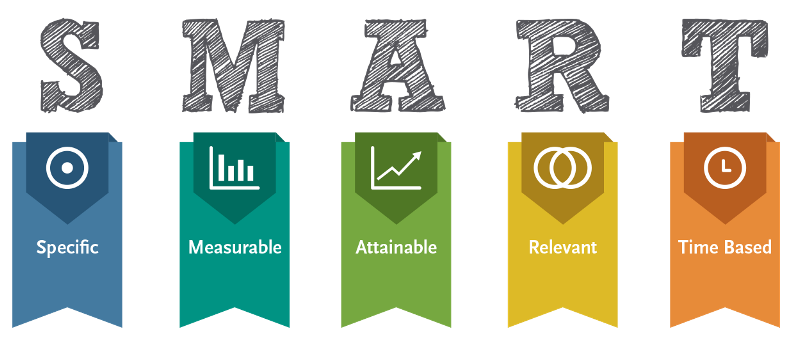
The SMART framework provides a structure to turn fuzzy ambitions into clear, actionable targets. It's a checklist to ensure your goals are well-defined and have a high chance of success. The acronym stands for:
S - Specific M - Measurable A - Achievable R - Relevant T - Time-bound
Breaking Down the Framework
Let's look at each component individually. Each part addresses a key question that transforms a simple wish into a concrete plan.
Specific
adjective
Clearly defines what you want to accomplish. It answers the questions: Who, What, Where, When, and Why?
Specificity removes ambiguity. A vague goal is open to interpretation and makes it hard to focus your efforts. A specific goal gives you a precise target to aim for. The more detailed you are, the clearer the path forward becomes.
Measurable
adjective
Includes concrete criteria for tracking progress and measuring success. It answers the question: How will I know when I've reached my goal?
Without a way to measure your progress, it's difficult to stay motivated. Measurable goals allow you to see how far you've come and how far you still have to go. They provide objective milestones that confirm you are on the right track.
Achievable
adjective
Ensures the goal is realistic and attainable given your resources, skills, and constraints. It answers the question: Is this goal within my reach?
A goal should stretch you, but not so much that it's impossible. Setting an unachievable goal can lead to frustration and burnout. Consider your current situation and set a target that is challenging yet realistic. This balance is key to maintaining momentum.
Relevant
adjective
Aligns with your broader objectives and values. It answers the question: Why is this goal important to me?
A goal is more likely to be achieved if it matters to you. It should fit into your larger life or career plan. If a goal doesn't connect to what you truly want, your motivation to see it through will fade when challenges arise.
Time-bound
adjective
Has a clear deadline or timeframe for completion. It answers the question: When will this goal be accomplished?
A deadline creates a sense of urgency and helps prevent procrastination. Without a target date, there's no pressure to start working on the goal now. A time-bound goal defines a clear beginning and end, making it easier to plan and allocate your time effectively.
Putting It All Together
Let’s see how the framework transforms a vague idea into a powerful goal.
| Vague Goal | I want to get better at coding. |
|---|---|
| Specific | I will learn Python to analyze data more effectively in my marketing role. |
| Measurable | I will complete three online Python tutorials and build one small data analysis project. |
| Achievable | I have access to online courses and can dedicate 4 hours per week to this goal. |
| Relevant | Improving my data analysis skills will help me make better decisions and advance in my career. |
| Time-bound | I will accomplish this within the next three months. |
SMART Goal: To enhance my data analysis capabilities for my marketing role, I will learn Python by completing three online tutorials and building one small analysis project over the next three months, dedicating four hours per week to the task.
This final version is clear, focused, and provides a roadmap for action. By applying the SMART criteria, you create goals that are not just wishes, but well-structured plans ready for execution.
What does the 'A' in the SMART goals acronym stand for?
A goal that isn't connected to your broader life or career plans is likely missing which SMART component?