Mastering SMART Goal Setting
Introduction to SMART Goals
Goals That Actually Work
We’ve all set goals that fizzle out. "I want to get in shape." "I'm going to be more organized." These intentions are good, but they're more like wishes than plans. They lack the clarity and structure needed to make them happen. Without a clear path, it's easy to lose motivation and drift off course.
This is where the SMART framework comes in. It’s a simple but powerful tool for turning vague ambitions into concrete, actionable steps. Think of it as a checklist that ensures your goals are well-defined and realistic.
The concept isn't new. It was first introduced in 1981 by George T. Doran in an article for a management journal. He proposed that effective objectives needed to be "SMART." The idea was so practical and effective that it quickly spread from the world of project management to personal development, fitness, and beyond.
Using this framework helps you build a roadmap. Instead of just knowing your destination, you get a set of directions to guide you there. It forces you to think through the important details: the what, why, how, and when of your goal. This clarity is what separates a dream from an achievable objective.
The SMART Breakdown
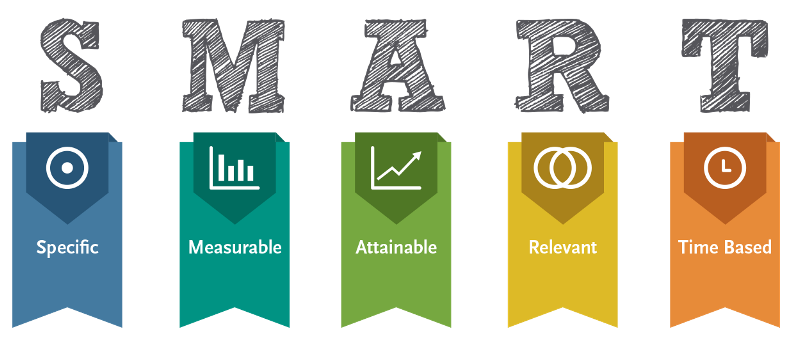
SMART is an acronym that stands for five key criteria. Each element works together to create a goal that is robust and easy to track.
| Letter | Stands For | What It Means |
|---|---|---|
| S | Specific | Your goal is clear and unambiguous. |
| M | Measurable | You can track your progress and know when you've succeeded. |
| A | Achievable | Your goal is realistic, not impossible. |
| R | Relevant | The goal matters to you and aligns with your other objectives. |
| T | Time-bound | Your goal has a target date or deadline. |
Let's see the difference this makes. A vague goal like "I want to read more" becomes much stronger when it's SMART: "I will read one non-fiction book a month for the next six months."
See the change? The first is a wish. The second is a plan. It has a specific target (one book), a way to measure it (per month), it feels achievable, it’s relevant to the desire to read more, and it has a clear timeframe (six months). This structure provides focus and makes it much easier to get started and stay on track.
The purpose of SMART goals is to bring clarity, focus, and motivation to what you want to achieve.
Ready to test your understanding of the basics?
What is the primary purpose of the SMART framework as described in the text?
Which of the following goals is the best example of a SMART goal?
By applying these five simple criteria, you can transform your approach to setting and achieving objectives in any area of your life.