Mastering Sleep Hygiene for Peak Performance
Understanding Sleep Basics
The Architecture of Sleep
When you fall asleep, your brain doesn't just switch off. Instead, it enters a highly organized state with a clear, repeating structure. Think of a night's sleep not as a long pause, but as a series of carefully planned cycles, each with its own purpose.
Sleep is divided into two main types: Non-Rapid Eye Movement (NREM) and Rapid Eye Movement (REM). Most of the night is spent in NREM sleep, which is broken down into three distinct stages. Each stage takes you deeper into rest, preparing you for the final, most active phase of the cycle: REM sleep.
The Four Stages
As you begin to nod off, you enter the first stage, known as N1. This is the lightest phase of sleep, the doorway between being awake and asleep. Your heartbeat, breathing, and eye movements slow down, and your muscles relax. You might experience a sudden muscle twitch. It’s easy to be woken up during this brief stage.
Next is N2, where you'll spend about half your total sleep time. This is a more stable sleep state. Your body temperature drops, and your brain waves slow down, but they're punctuated by brief bursts of electrical activity. These bursts, called sleep spindles and K-complexes, are thought to help your brain process memories and shut out external sounds so you can stay asleep.
From there, you enter N3, the deepest and most restorative stage of sleep, also called slow-wave sleep. Your heartbeat and breathing are at their slowest. It’s much harder to be awakened from N3 sleep, and if you are, you'll likely feel groggy and disoriented. This is when your body focuses on physical repair—growing tissue, building bone and muscle, and strengthening the immune system.
The final stage is REM sleep. Your eyes move rapidly from side to side behind closed lids, which is how this stage gets its name. Your breathing becomes faster and irregular, and your heart rate and blood pressure increase to near-waking levels. Most of your dreaming happens during REM sleep. Interestingly, your arm and leg muscles become temporarily paralyzed, which prevents you from acting out your dreams.
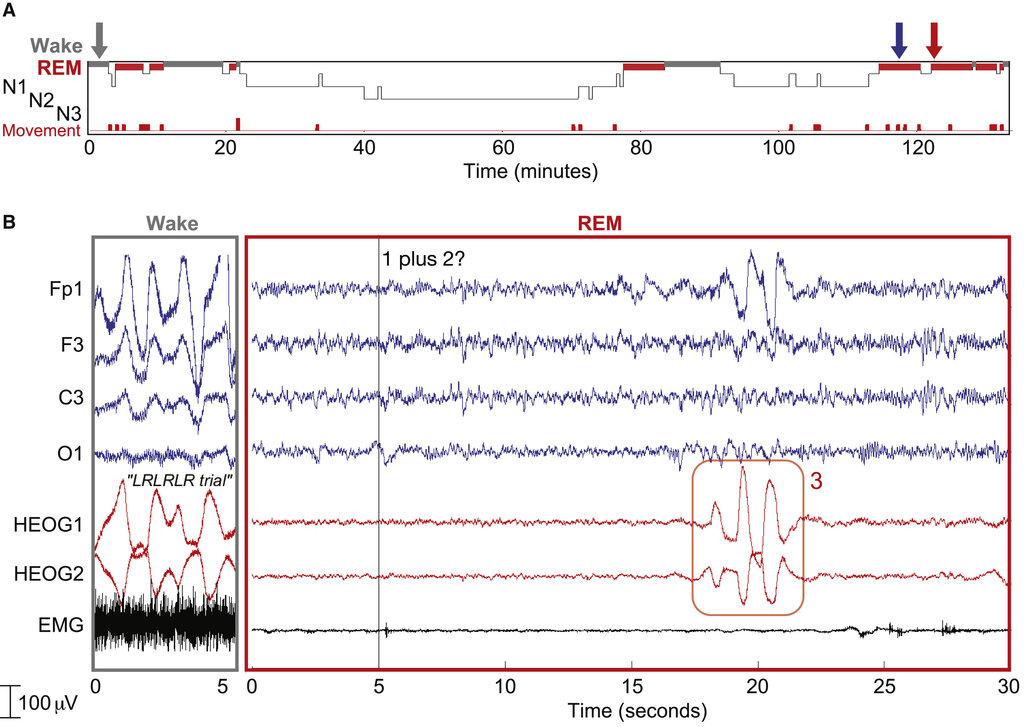
These four stages don't just happen once. They form a cycle that repeats itself throughout the night. You progress from N1 to N2, then to N3, back up to N2, and finally into REM sleep. Then the cycle begins again.
A full sleep cycle lasts about 90 minutes, and we typically go through four to six of them each night.
Your Body's Clock
What tells your body it’s time to start these cycles? The main conductor is your circadian rhythm, a 24-hour internal clock that regulates your sleep-wake cycle. This biological clock is located in a part of your brain called the hypothalamus and responds primarily to light and darkness.
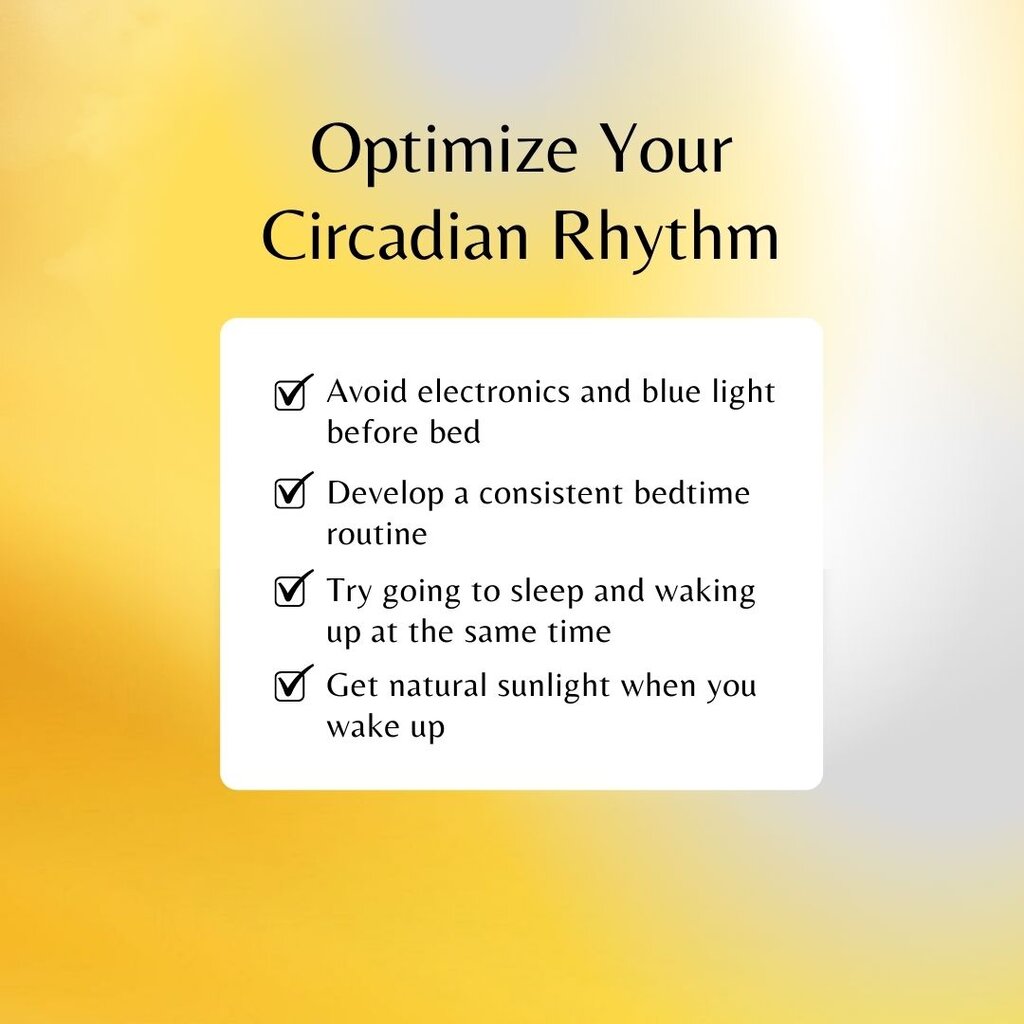
When it gets dark, your brain gets the signal to release a hormone called melatonin, which makes you feel drowsy. When your eyes are exposed to light in the morning, melatonin production stops, and your body starts to wake up. This is why keeping a consistent sleep schedule and getting morning sunlight are so important—they help keep your internal clock synchronized.
Why We Sleep
Sleep isn't just about resting your body; it’s critical for both physical and mental health. Each stage of the sleep cycle plays a vital role. Deep NREM sleep is essential for physical recovery. Your body releases growth hormone, repairs tissues, and strengthens your immune system. If you've ever felt physically run down after a poor night's sleep, this is why.
REM sleep, on the other hand, is crucial for your mind. It's when your brain consolidates memories, cementing what you've learned during the day. It also plays a key role in emotional regulation, helping you process feelings and manage stress. Getting enough REM sleep helps you wake up feeling mentally sharp and emotionally balanced.
Getting enough hours of high-quality sleep fosters attention and concentration, which are prerequisites for most learning.
Together, these functions make sleep one of the pillars of health, just as important as diet and exercise. Understanding how it works is the first step toward improving it.
Let's check what you've learned about the fundamentals of sleep.
Which stage of sleep is characterized by the deepest rest, slow brain waves, and is crucial for physical repair and growth?
The release of which hormone, triggered by darkness, signals to your body that it's time to feel drowsy?
Now you have a solid foundation for understanding what happens when you close your eyes at night. It's a complex, vital process that keeps you healthy in both body and mind.