Mastering Signal Management
Introduction to Signal Management
What Is a Signal?
A signal is simply information in motion. It's the way we send messages from one point to another. The sound waves carrying your voice across a room are a signal. The light traveling from a traffic light to your eyes is a signal. The electrical pulses carrying data through a cable are signals, too.
Signals are the foundation of communication and control in nearly every system, both natural and man-made. They come in two primary flavors: analog and digital.
An analog signal is continuous and smooth, like a ramp. A digital signal is discrete, made of separate steps, like a staircase.
Think of a dimmer switch for a lamp. As you turn the knob, the light's brightness changes smoothly across an infinite range of values. That's analog. Now, think of a standard light switch. It has only two states: on or off. There's no in-between. That's digital. Digital signals represent information as a series of 1s and 0s, corresponding to 'on' and 'off' states.
Why Manage Signals?
Sending a signal isn't always as simple as shouting across a quiet room. Imagine trying to have that same conversation at a loud concert. Your voice (the signal) has to compete with the music (noise). It might get distorted or fade out before it reaches your friend. This is the core challenge of communication: preserving the signal's integrity from its source to its destination.
Signal management is the process of making sure signals arrive clearly and reliably. It involves techniques to boost signals that have weakened over a distance, a phenomenon called attenuation. It also includes filtering out unwanted noise and interference that can corrupt the original message. Without effective management, our digital world of instant, global communication would grind to a halt.
The goal of signal management is to maximize the signal and minimize the noise.
Signals in Action
The principles of signal management are universal, but they are applied differently across various fields. Let's look at a few key areas.
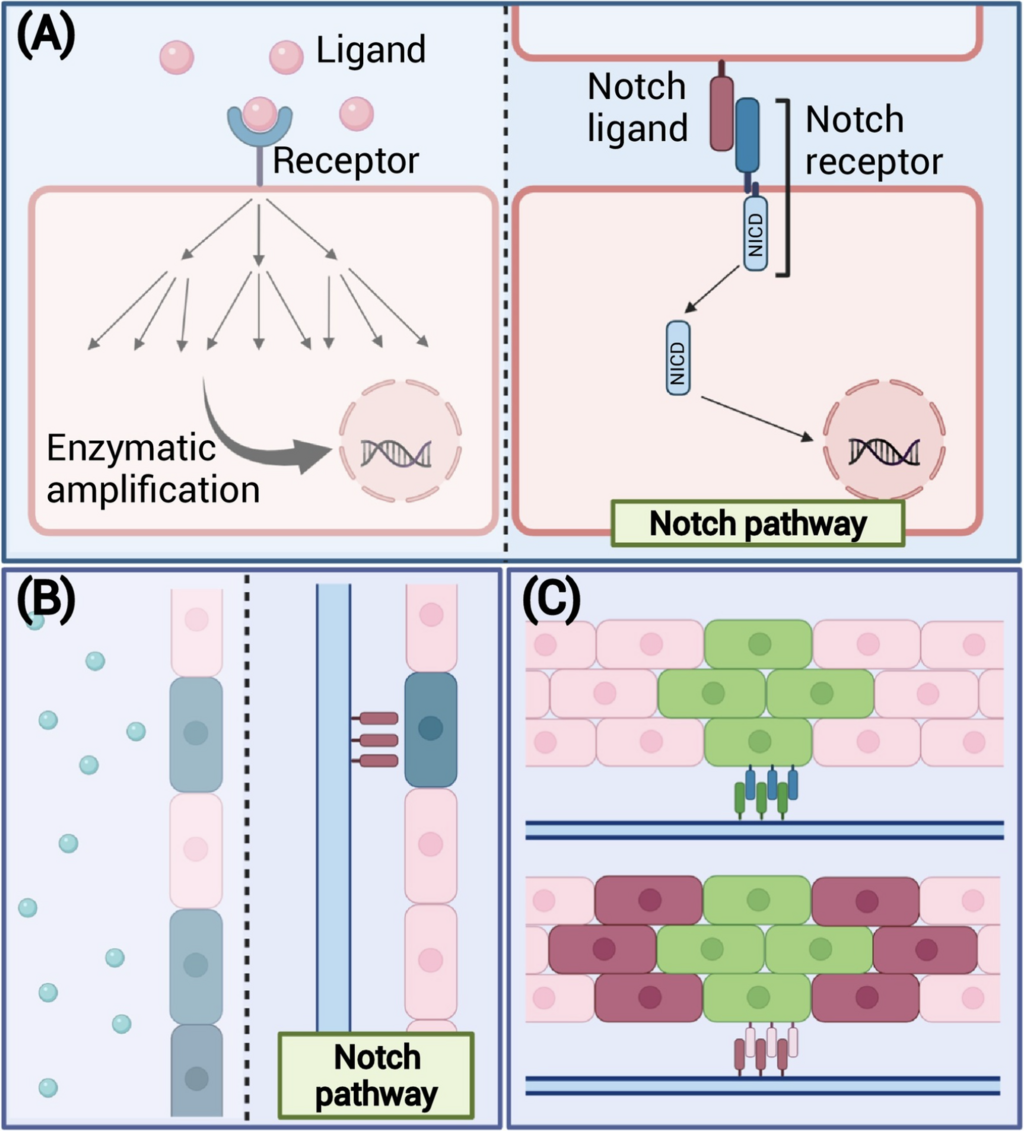
Biological Systems Your own body is a master of signal management. Every thought, movement, and sensation is controlled by electrical and chemical signals traveling through your nervous system. Hormones traveling in your bloodstream are another type of signal, carrying messages that regulate everything from growth to mood.
Inside your cells, intricate networks of proteins pass messages along to execute specific tasks, like activating a gene or fighting off an infection. When these signaling pathways break down, it can lead to diseases like cancer or diabetes. Understanding and managing these biological signals is at the heart of modern medicine.
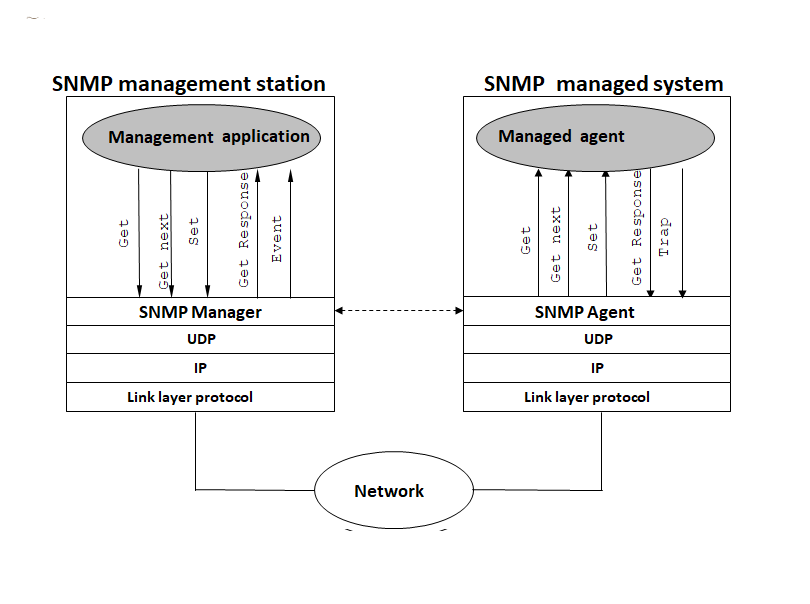
Computer Networks and Telecommunications When you browse the internet or make a phone call, you're relying on a massive, global infrastructure built for signal management. Data is chopped into digital packets and sent as electrical or light signals through cables, or as radio waves through the air.
Network devices like routers and switches act as traffic cops, directing these signals to their correct destinations. They amplify signals in long-distance cables and manage the radio spectrum to prevent your Wi-Fi from interfering with your neighbor's. This careful coordination ensures that data arrives quickly, accurately, and securely, whether it's traveling across the room or around the world.
This course will explore the specific ways these different fields—and others—tackle the fundamental challenge of sending clear messages in a noisy world.