Mastering Sexual Prowess
Psychological Foundations
The Mind-Body Connection
Sexual experience is often thought of as purely physical, but what happens in your head is just as important as what happens below the neck. Your brain is your largest sex organ. Mental and emotional states like stress, confidence, and overall mood have a direct impact on desire, arousal, and satisfaction.
Think of it like this: your body can't get into a relaxed, receptive state for intimacy if your brain is preoccupied with worry or self-criticism. Understanding this connection is the first step to addressing mental barriers and improving your sexual well-being.
Stress and Performance Anxiety
Stress is the enemy of arousal. When you're stressed, your body goes into "fight or flight" mode, releasing hormones like cortisol and adrenaline. This emergency response system is designed to help you survive a threat, not to relax into a pleasurable experience. It shuts down non-essential functions, and for your body in that moment, sexual arousal is non-essential.
A specific type of stress that often appears in the bedroom is performance anxiety. This is the fear of not being able to satisfy a partner, and it can become a self-fulfilling prophecy. Worrying about your performance can make it harder for your body to respond, which then causes more worry, creating a vicious cycle.
The more you worry about whether you can perform, the less likely you are to be able to. Breaking this cycle involves shifting focus from performance to presence.
Self-Esteem and Body Image
How you feel about yourself outside the bedroom has a huge impact on how you feel inside it. Low self-esteem and a negative body image can be major barriers to sexual satisfaction. Intimacy requires vulnerability, and it's hard to be vulnerable when you're feeling self-conscious.
If you're worried about how you look or sound, your mind is distracted. Instead of being present in the moment and connecting with your partner, your focus turns inward to your perceived flaws. This mental chatter can prevent you from fully experiencing pleasure and can inhibit arousal.
Psychological factors, such as self-esteem, body image, and relationship dynamics, play a significant role in sexual satisfaction.
Mental Health's Impact on Libido
Broader mental health conditions often have a direct effect on sexual function. Depression, for example, is characterized by a loss of interest in activities one used to enjoy, and that frequently includes sex. It can drain your energy and motivation, making desire feel distant or nonexistent.
Anxiety disorders can also interfere. A state of constant worry or panic keeps the nervous system on high alert, making it difficult for the body to switch into the calm, relaxed state needed for arousal. The physical symptoms of anxiety, like a racing heart or shortness of breath, are the opposite of what the body experiences during sexual pleasure.
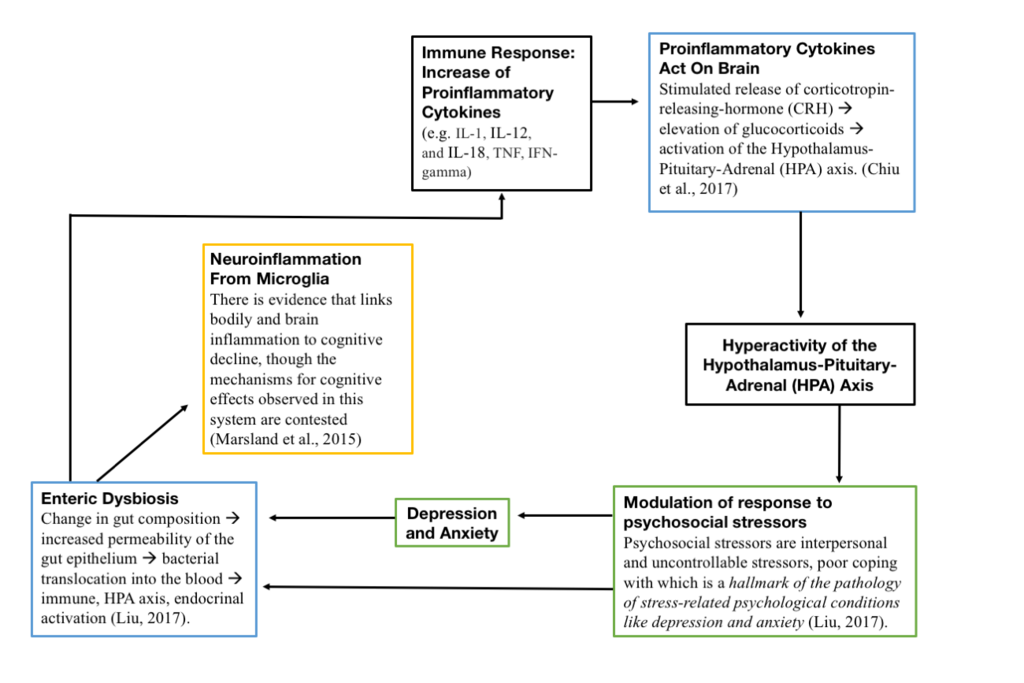
Managing Mental Barriers
Improving your sexual well-being often starts with improving your mental well-being. Here are a few strategies that can help manage these psychological barriers:
| Strategy | How It Helps |
|---|---|
| Mindfulness | Practices like meditation can help you stay grounded in the present moment, reducing the power of distracting thoughts and performance anxiety. It trains your brain to focus on physical sensations rather than worries. |
| Stress Management | Incorporating activities like regular exercise, deep breathing, or yoga into your routine can lower overall cortisol levels, making it easier for your body to relax and respond to sexual cues. |
| Cognitive Reframing | This involves actively challenging and changing negative thought patterns about your body or your performance. You learn to replace self-critical thoughts with more realistic and compassionate ones. |
| Professional Help | If anxiety, depression, or low self-esteem are significantly impacting your life, including your sex life, seeking help from a therapist or counselor is a powerful step. They can provide tools and support tailored to your needs. |
Addressing the psychological roots of sexual issues is not about adding another thing to worry about. It's about recognizing the deep connection between your mind and body and taking holistic steps to care for both.
According to the provided text, what is considered the largest and most important sex organ?
When the body is stressed, it releases hormones like cortisol and adrenaline. What is the primary effect of this "fight or flight" response on sexual arousal?