Mastering Service Sales
Understanding Service-Based Sales
Selling the Invisible
Selling a physical product is straightforward. You can hand someone a coffee mug, let them feel its weight, and show them how it holds liquid. They can see it, touch it, and understand exactly what they're buying.
Selling a service is different. You're selling a promise. Whether it's financial advice, graphic design, or a consulting session, the customer can't hold it in their hands before they buy. This core difference, the intangibility of services, is what makes this type of selling unique.
With a product, the customer buys an object. With a service, the customer buys a result or an experience.
Because the client can't physically inspect the service beforehand, their decision to buy rests almost entirely on one thing: trust. They have to trust that you can deliver on your promise. This shifts the focus of the sales process from the features of an item to the credibility and expertise of the provider.
Building this trust is an active process. It's about demonstrating your understanding of the client's specific problems, showing past results through case studies or testimonials, and being transparent and reliable in all your communications. Every interaction is an opportunity to prove you are a credible partner.
From Pitch to Partnership
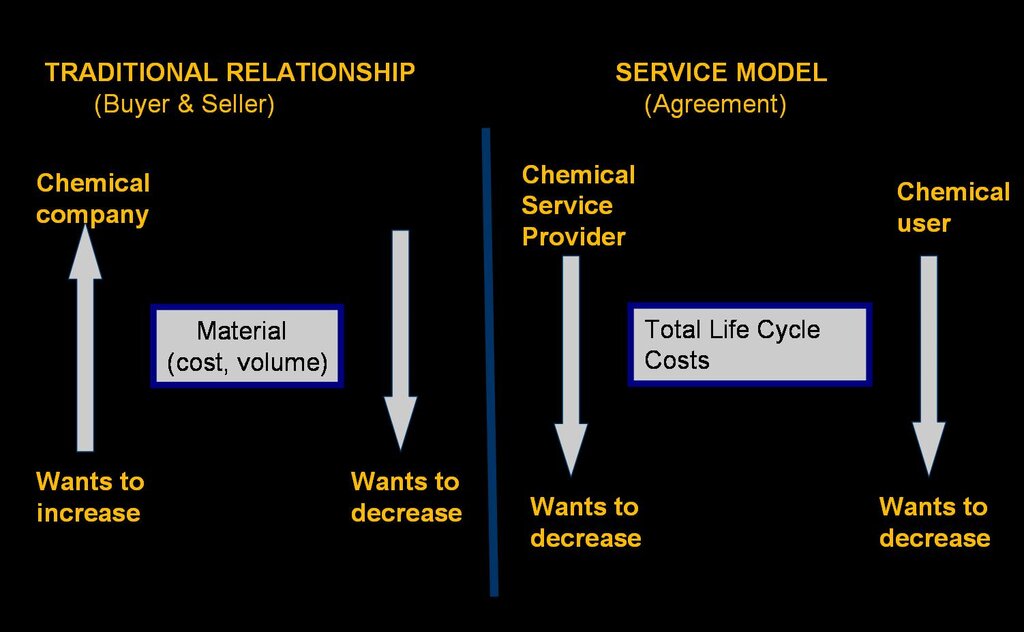
A product sale can often be a one-time transaction. A service sale is usually the beginning of a relationship. This requires a different approach. Instead of a generic sales pitch, you need a conversation. The goal is to understand the client's needs so deeply that you can tailor a solution specifically for them.
This makes the salesperson more of a consultant than a pitch person. You're not just selling a pre-packaged item off a shelf; you are co-creating a solution with the client. Each client's situation is unique, so your approach must be flexible. A rigid, one-size-fits-all script will almost always fail because it ignores the client's individual context and needs.

Focusing on a long-term relationship also changes the definition of a successful sale. It's not just about getting a signature on a contract. It's about delivering real, measurable value that turns a new client into a long-term partner who trusts you with their business again and again.
Unique Challenges
The nature of services creates specific challenges that you don't typically face when selling products. Understanding these hurdles is the first step to overcoming them.
| Challenge | Product Sales | Service Sales |
|---|---|---|
| Evaluation | Customer can see, touch, and compare features. | Customer must rely on reputation and trust. |
| Consistency | Products from a production line are identical. | Service quality can vary depending on the provider. |
| Perishability | Products can be stored in inventory. | An unsold hour of consulting is lost forever. |
| Sales Focus | Emphasizes features, quality, and price. | Emphasizes expertise, relationship, and value. |
For example, it’s hard for a potential client to compare two different marketing agencies. They can't line them up on a table to see which one is "better." They have to make a judgment based on conversations, proposals, and reputation.
Likewise, the quality of a service isn't guaranteed to be the same every time. The haircut you get from a stylist might be great one month and just okay the next. This variability means the client is taking a bigger risk. Your job in the sales process is to minimize their perception of that risk by building a strong case for your reliability and expertise.
Time to check your understanding of these core ideas.
What is the primary difference between selling a physical product and selling a service?
According to the text, what is the most critical element a client's decision to buy a service rests on?
Selling services is fundamentally about building trusted relationships and demonstrating value before the client ever makes a purchase.