Mastering Sequential Test-Case Analysis
Introduction to Software Testing
The Goal of Testing
Software testing isn't just about finding bugs. While catching errors is a big part of it, the ultimate goal is to ensure the software works as expected and to build confidence in its quality. Think of it like a chef tasting a dish before it goes out to a customer. They're not just looking for mistakes; they're confirming it meets their standard of excellence.
The main objective of testing is to provide stakeholders with the information they need to make informed decisions about the quality of the software.
Testing and the Development Lifecycle
Building software is a structured process, often called the Software Development Lifecycle (SDLC). This lifecycle outlines the major stages a product goes through, from the initial idea to its final release and maintenance. Testing isn't just a single step at the end; it's a parallel activity that happens throughout the entire process. The earlier you find a problem, the easier and cheaper it is to fix.
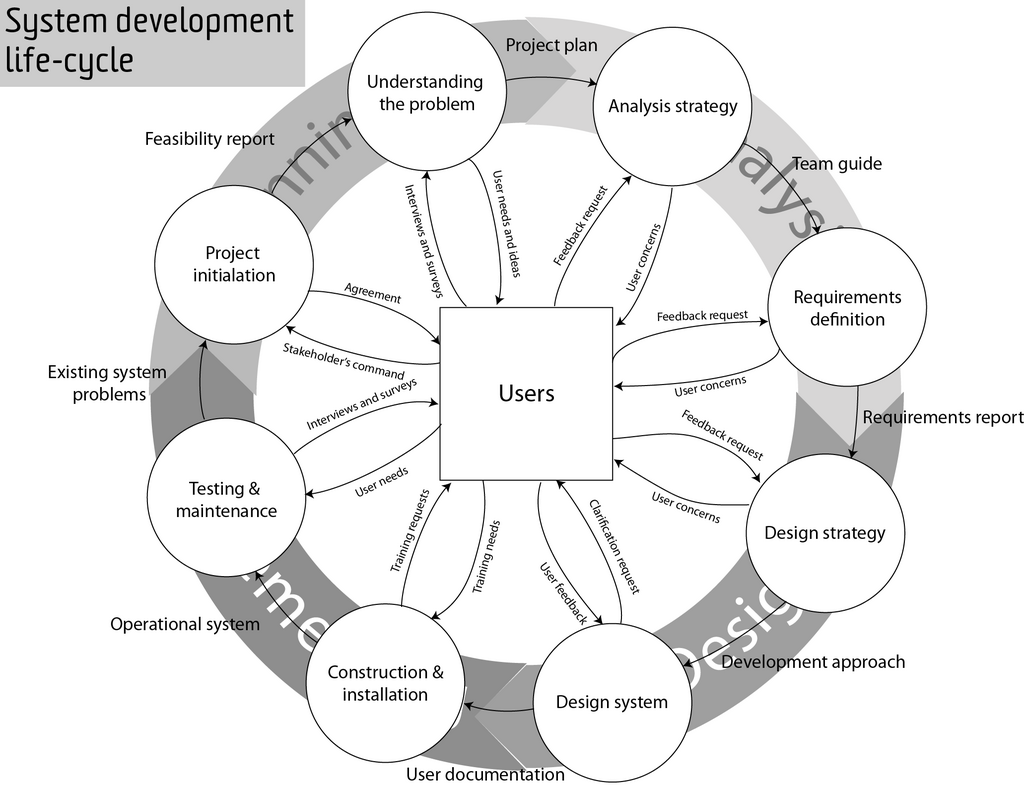
Imagine building a car. You wouldn't assemble the whole thing and only then check if the engine works. You'd test the engine on its own, then test how it connects to the transmission, and so on. Software development follows the same logic. By integrating testing into each phase, from requirements and design to coding and implementation, teams can prevent small issues from becoming major roadblocks later on.
Levels of Testing
To test software thoroughly, we break the process down into different levels. Each level focuses on a specific part of the application, from the smallest components to the system as a whole. A common way to visualize this is the testing pyramid.
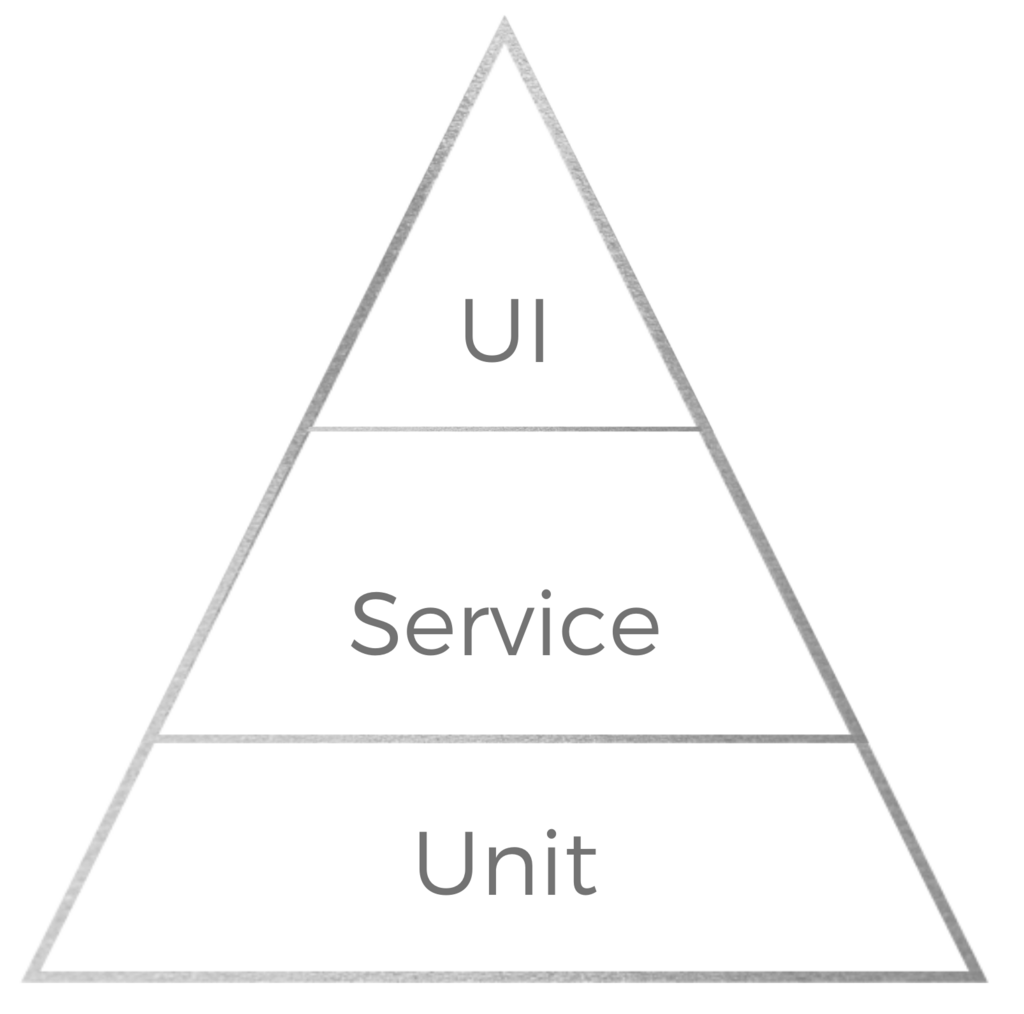
The pyramid illustrates a healthy testing strategy. You should have a large base of fast, simple tests and fewer complex, slower tests at the top. Let's look at each level.
Unit Testing
noun
Testing individual components or functions of the software in isolation.
Unit tests form the foundation of the pyramid. They check the smallest pieces of code, like a single function or method, to make sure they work correctly on their own. These tests are written by developers and are very fast to run, so they can be executed frequently during development.
Unit tests are an important artifact that supports the software development process in several ways.
Integration Testing
noun
Testing how different software modules interact with each other.
Once we know the individual units work, we need to check if they work together. Integration tests verify the communication and data flow between different modules. For example, does the user profile module correctly pull data from the user database module?
System Testing
noun
Testing the complete and integrated software application as a whole.
This level involves testing the entire system from end to end. The goal is to evaluate the software's compliance with its specified requirements. Testers treat the software like a black box, focusing on the inputs and outputs without worrying about the internal code structure. This is where you check if the complete, assembled product works as intended.
Acceptance Testing
noun
Formal testing conducted to determine if a system satisfies its acceptance criteria.
Also known as User Acceptance Testing (UAT), this is the final level. It's typically performed by the end-users or the client to verify that the software meets their needs and is ready for deployment. It answers the question: "Does this software solve the problem we wanted it to solve?"
| Testing Level | Purpose | Who Performs It |
|---|---|---|
| Unit Testing | Verify individual components work correctly in isolation. | Developers |
| Integration Testing | Ensure different modules work together as expected. | Developers or Testers |
| System Testing | Validate the complete system against requirements. | Testers |
| Acceptance Testing | Confirm the software is ready for delivery and meets user needs. | End-Users/Client |
Now that you have a grasp of the basics, let's test your knowledge.
What is the ultimate goal of software testing?
According to the testing pyramid concept, which type of test should be the most numerous in a healthy testing strategy?
Understanding these fundamental concepts is the first step toward building robust, high-quality software.