Mastering SEO Fundamentals
Introduction to SEO
What Is SEO?
Imagine you've written the best recipe for chocolate chip cookies, but you've hidden it in a random book in a giant library. No one will ever find it. Search Engine Optimization (SEO) is like giving your recipe its own, properly labeled book and placing it on the 'Best Cookies' shelf right at the library's entrance.
Search Engine Optimization (SEO)
noun
The practice of improving a website to increase its visibility when people search for products or services related to your business in search engines like Google, Bing, and others.
The goal is to show up in the search results when potential customers are looking for what you offer. When your website appears higher up on the results page, more people are likely to see it and click on it. This visibility can lead to more traffic, more customers, and more growth for a business, blog, or any online presence.
How Search Engines Find Your Site
Search engines don't magically know about every page on the internet. They use a sophisticated, three-step process to discover, understand, and organize content to deliver the best possible results for any given search.
To deliver relevant search results, search engines like Google follow three key processes - crawling, indexing, and serving.
Let’s break that down:
-
Crawling: Search engines send out automated programs, often called “bots” or “spiders,” to explore the web. They travel from page to page by following links, discovering new and updated content.
-
Indexing: After crawling, the search engine analyzes and stores the content it found in a massive digital library called an index. When you search for something, the engine isn't searching the entire live internet; it’s searching this pre-sorted index, which makes the process incredibly fast.
-
Ranking: This is the final step where the magic happens. When you type a query into a search engine, it scours its index for the most relevant content and then ranks it from most to least relevant. This ranking is determined by hundreds of factors, all designed to give you the most accurate and helpful answer to your question.
Understanding the Results Page
The page you see after typing a search into Google is called the Search Engine Results Page, or SERP. A decade ago, this was mostly just a list of ten blue links. Today, it’s much more dynamic.
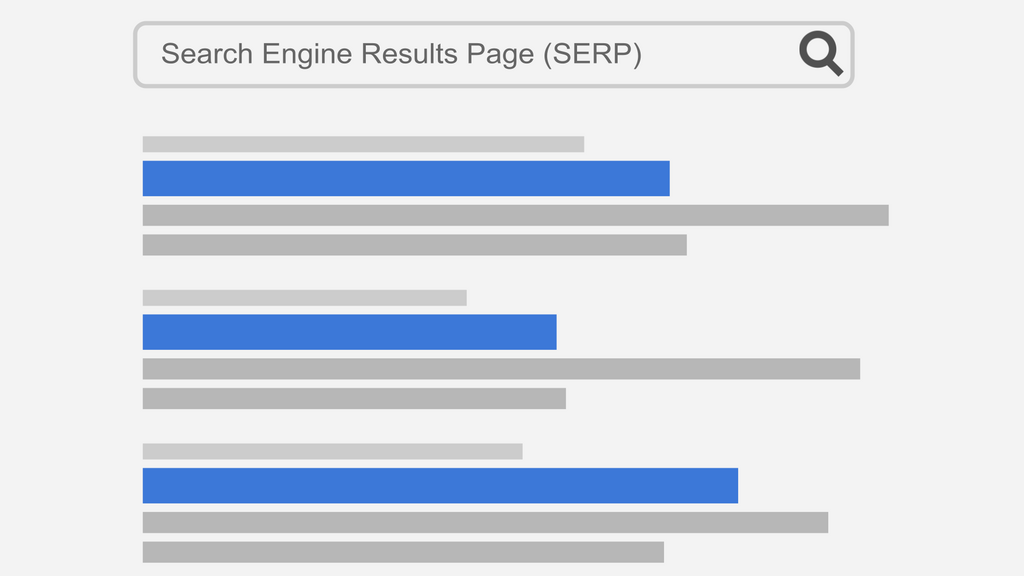
SERPs now include a variety of features, such as paid ads, maps, shopping results, featured snippets (quick answers at the top), and video carousels. These results are broadly divided into two categories: paid and organic.
- Paid Results: These are advertisements. Businesses pay to have their websites appear at the top of the page for specific search terms.
- Organic Results: These are the natural, unpaid listings that the search engine has determined are the most relevant and high-quality results for the query.
SEO is entirely focused on improving your visibility in the organic search results.
Why Your User's Goal Matters
To succeed at SEO, you need to think less like a marketer and more like your potential customer. What are they really looking for? This is called user intent or search intent—the 'why' behind a person's search query.
Aligning your content with user intent is one of the most important aspects of modern SEO. If your page doesn't satisfy the user's reason for searching, it won't rank well.
There are generally four main types of search intent:
- Informational: The user wants to learn something. For example, “how to tie a tie” or “what is the capital of Australia.”
- Navigational: The user wants to go to a specific website. For example, searching for “YouTube” or “Wikipedia login.”
- Transactional: The user wants to buy something. Queries like “buy running shoes” or “cheap flights to Japan” show clear transactional intent.
- Commercial Investigation: The user is in the market for a product or service but is still in the research phase. Examples include “best coffee makers” or “iphone vs android.”
By understanding the intent behind the keywords you want to rank for, you can create content that directly answers the user's needs. This is the foundation of a strong and sustainable SEO strategy.
What is the primary goal of Search Engine Optimization (SEO)?
What is the correct sequence of the three main processes search engines use to organize web content?