Mastering SEO Content Strategy
Search Intent Analysis
The Why Behind the What
You've done your keyword research and have a list of terms you want to rank for. But simply scattering those keywords across a page won't work. To create content that ranks, you must first understand the why behind the search. This is search intent: the user's ultimate goal for typing a query into a search engine.
Think of it this way: someone searching for "avocado" could want to buy one, find a recipe for guacamole, or learn about its nutritional benefits. The keyword is the same, but the intent is completely different. Your job is to figure out the dominant intent and serve it.
Matching your content to user intent is non-negotiable. When a user's goal is met, they stay on your page, engage with your content, and see you as a credible source. When there's a mismatch, they hit the back button almost immediately. This is called a bounce, and it signals to Google that your page isn't the right answer for that query, hurting your ability to rank.
The Four Pillars of Intent
Nearly every search query falls into one of four main categories. Understanding these types is the first step in decoding what a user actually wants.
| Intent Type | User's Goal | Example Keywords |
|---|---|---|
| Informational | To know something. | "how to change a tire", "what is the capital of Australia", "symptoms of dehydration" |
| Navigational | To go to a specific website. | "youtube", "twitter login", "amazon customer service" |
| Commercial | To investigate before a purchase. | "best running shoes 2024", "samsung vs iphone review", "hootsuite alternatives" |
| Transactional | To do something (usually buy). | "buy airpods pro", "cheap flights to london", "netflix subscription" |
Informational queries are about learning. The user has a question and is looking for an answer. These are often framed as questions but can also be simple noun searches.
Navigational searches are straightforward. The user already knows where they want to go and is just using the search engine as a shortcut to get there. It's usually a waste of resources to target another brand's navigational keywords.
Commercial investigation is the research phase. The user has a problem or a need and is exploring potential solutions. They're not ready to buy yet, but they're getting close. This is a critical stage where you can build trust and guide them toward a decision.
Transactional queries show the strongest intent to take an action. The user has their wallet out, figuratively or literally. They've done their research and are ready to convert.
Let the SERP Be Your Guide
So how do you figure out the intent for your target keyword? You don't have to guess. Google tells you directly through the Search Engine Results Page (SERP). The types of pages and features Google chooses to rank are your ultimate cheat sheet.
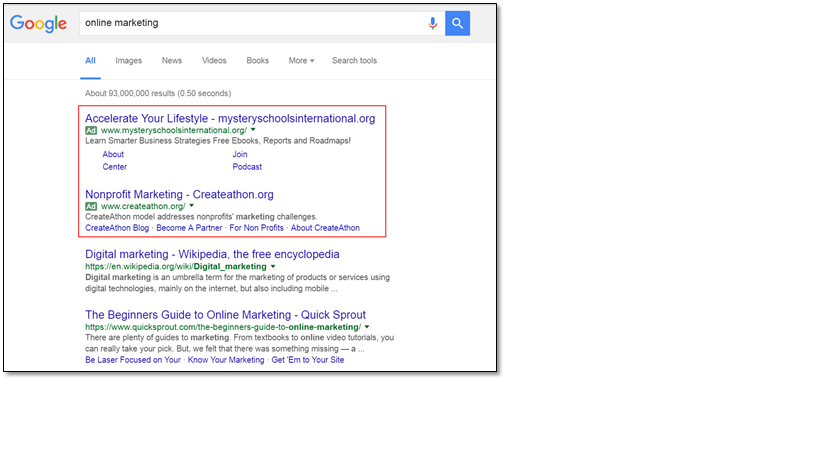
To analyze a SERP, perform a search for your keyword in an incognito window and look at the top 10 results. Ask yourself a few questions:
- What types of pages are ranking? Are they blog posts and guides (informational), product or service pages (transactional), or category pages from e-commerce sites (commercial)?
- What SERP features appear? Do you see a "People Also Ask" box or a featured snippet? These are strong indicators of informational intent. Are there shopping ads and product carousels? That points to commercial or transactional intent.
- What are the titles and meta descriptions saying? Look at the language used. Titles with words like "How to," "What is," or "Guide" suggest informational content. Words like "Buy," "Discount," or "Sale" signal transactional intent. Phrases like "Best," "Review," or "vs." point to commercial investigation.
If you want to rank for "best espresso machine," but your page is a single product page for one machine, you're fighting a losing battle. The SERP will be filled with listicles and review articles. You've mismatched the content format to the user's intent.
This analysis is the core of a strong content brief. Before you write a single word, you must know the dominant intent and the content format that Google prefers. If the top results are all 2,000-word guides, a short 500-word blog post isn't going to cut it. If they are all product pages, a long-form article is the wrong approach. Match the intent, match the format, and you're building your content on a solid foundation.
What is the primary definition of "search intent" in the context of SEO?
When a webpage fails to match a user's search intent, the user often leaves the page almost immediately. What is this action called and how can it affect the page's ranking?
Aligning your content with search intent is the bridge between finding a good keyword and creating a page that actually performs.