Mastering Self-Hypnosis
Introduction to Self-Hypnosis
What Is Self-Hypnosis?
Self-hypnosis is a state of deep relaxation and focused attention that you guide yourself. Think of a time you were so absorbed in a book or a movie that the world around you faded away. That's a similar mental state. With self-hypnosis, you intentionally create that focus to communicate with your subconscious mind.
It's not about losing control. It's about gaining more control over your own mind, habits, and reactions.
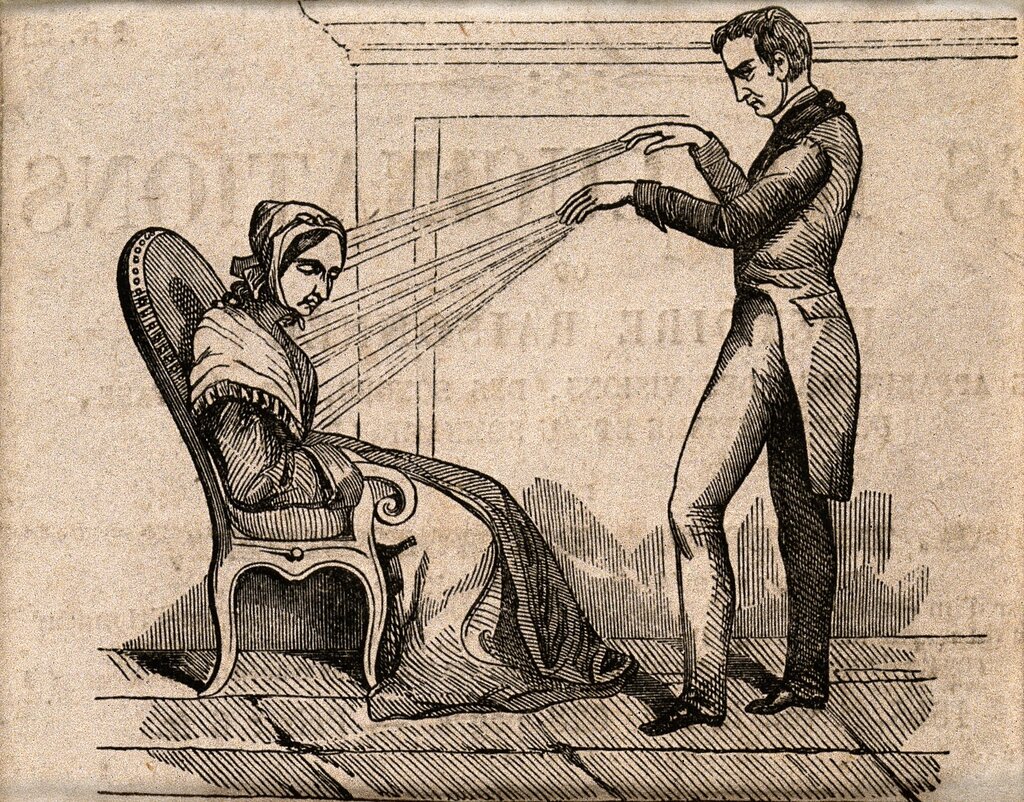
The idea has been around for centuries, evolving from practices like mesmerism in the 18th century. Early practitioners believed in a kind of 'animal magnetism' that could influence others. While those ideas have been disproven, they paved the way for modern hypnosis, which is now understood as a psychological process rooted in focus and suggestion.
How It Works
So, how does telling yourself to relax actually work? It involves temporarily quieting your conscious, analytical mind. This is the part of your brain that is constantly judging, worrying, and overthinking. Think of it as a gatekeeper.
When you relax and focus your attention inward, you temporarily distract that gatekeeper. This allows you to give suggestions directly to your subconscious mind, the part that runs your automatic habits and deep-seated beliefs. It’s like updating the software that runs in the background of your life.
Hypnosis is a procedure during which a mental health professional suggests that a patient experience changes in sensations, perceptions, thoughts, or behavior.
During self-hypnosis, you are that professional. By using positive affirmations and visualizations, you can introduce new, helpful ideas, like 'I feel calm and confident' or 'I can handle this challenge.' Because the critical mind isn't there to argue, the subconscious is more likely to accept these suggestions as true, which can influence your feelings and behaviors when you're back in a normal waking state.
Common Misconceptions
Hypnosis has a reputation for stage tricks and mind control, but the reality is much more ordinary. Let's clear up a few common myths.
| Myth | Fact |
|---|---|
| You lose control. | You are always in control. You can open your eyes and stop the process at any moment. It's a voluntary state. |
| You're asleep or unconscious. | You are awake and aware, just deeply relaxed. Your mind is actually highly focused, just on your inner experience. |
| You can get stuck in hypnosis. | This is impossible. If you were left alone, you would either drift into natural sleep or simply return to full alertness on your own. |
| It's magic or mind control. | It's a natural state of mind that anyone can learn to access. It uses the power of your own focus and imagination. |
The Benefits for Everyday Life
One of the most immediate benefits of self-hypnosis is profound relaxation. By guiding yourself into a calm state, you can actively turn down your body's stress response. This can help lower your heart rate, slow your breathing, and ease muscle tension.
Over time, practicing self-hypnosis can make you more resilient to stress. Instead of being carried away by anxious thoughts, you learn to step back and quiet your mind. This makes it easier to manage daily pressures, from work deadlines to personal challenges. It's a skill that empowers you to regulate your own mental and emotional state.
Think of it as mental training. Just like you go to the gym to strengthen your body, self-hypnosis is a way to exercise your ability to be calm, focused, and in control of your inner world.
Self-hypnosis is best described as a state of...
The primary purpose of temporarily quieting the conscious, analytical mind during self-hypnosis is to...