Mastering Self-Hypnosis
Introduction to Self-Hypnosis
What Is Self-Hypnosis?
Self-hypnosis is a focused state of attention that you guide yourself into. It's a natural state of mind, much like being lost in a good book or deeply focused on a project. In this state, your mind is more open to suggestion, allowing you to work on changing habits, reducing stress, or improving performance.
Forget the swinging pocket watches and clucking like a chicken. That's stage hypnosis, which is purely for entertainment. Self-hypnosis is a practical tool for self-improvement. It's a skill you can learn, giving you direct access to your subconscious mind to make positive changes.
Think of it as a guided meditation with a specific goal. You're not asleep or unconscious; you're just deeply relaxed and focused inward.
A Brief History
The idea of trance-like states has been around for centuries, but the modern history of hypnosis starts with an 18th-century German doctor named Franz Mesmer. He believed in a force called "animal magnetism" that could be transferred between people to heal them. His dramatic sessions, called "mesmerism," were popular but eventually discredited by the scientific community.
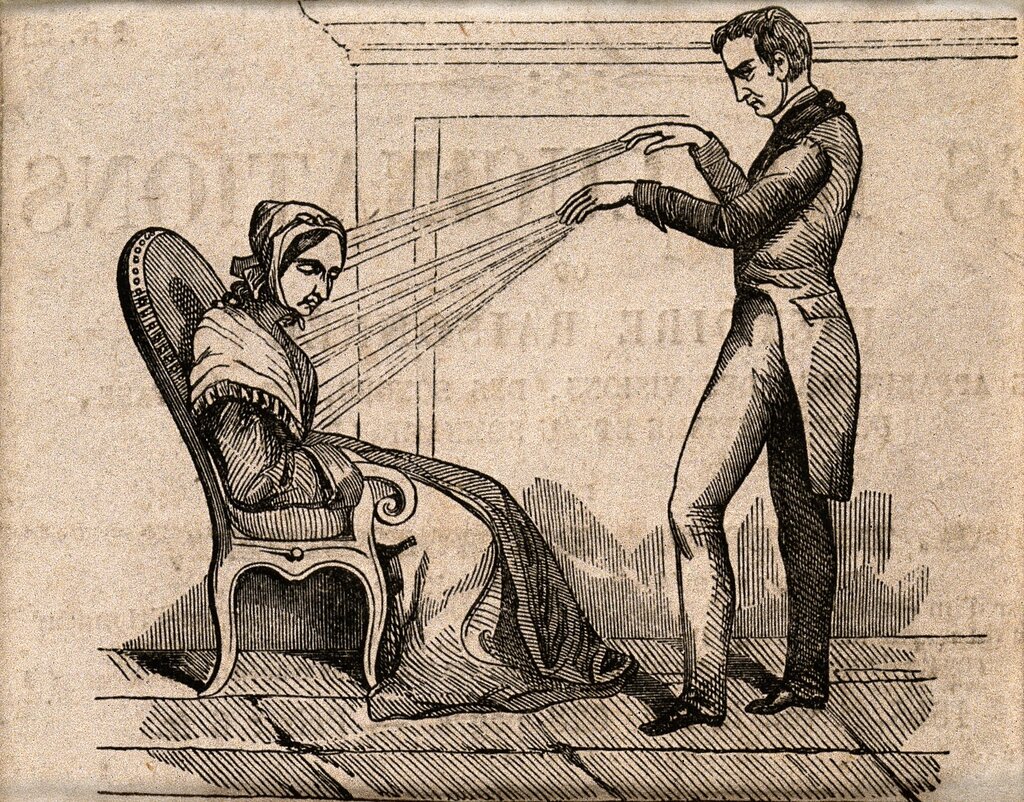
It wasn't until the 1840s that a Scottish surgeon named James Braid took a more scientific look at the phenomenon. He realized it wasn't about mysterious fluids but about focused attention. He coined the term "hypnosis" from the Greek word hypnos, meaning "sleep." Though he later realized it wasn't actually sleep, the name stuck. From there, hypnosis evolved into a legitimate therapeutic tool used by psychologists and doctors.
How It Works
Your mind has two main parts: the conscious and the subconscious. Your conscious mind is the part you're using to read this. It's analytical, critical, and logical. Your subconscious mind handles everything else: your habits, beliefs, emotions, and automatic bodily functions like breathing.
Usually, the conscious mind acts as a gatekeeper, filtering information and deciding what to accept. During self-hypnosis, you relax this gatekeeper. Through deep relaxation and focused imagination, you quiet the critical chatter of your conscious mind. This allows you to communicate directly with your subconscious, offering it new, positive suggestions that it's more likely to accept and act on.
It's like updating the software that runs your life. By bypassing the skeptical conscious mind, you can more easily change the underlying programming that drives your behaviors and feelings.
In conversational hypnosis, the first step is to distract the conscious mind.
Benefits and Applications
Learning self-hypnosis can be a powerful tool for personal development. Because it works at the subconscious level, it can help with a wide range of issues. People commonly use it to manage stress and anxiety, as the deep relaxation involved is incredibly calming for the nervous system.
It's also highly effective for changing unwanted habits like nail-biting or smoking. By planting new suggestions in the subconscious, you can rewrite the old patterns that keep you stuck.
Other common applications include:
- Improving focus and concentration
- Boosting self-confidence and overcoming fears
- Managing chronic pain
- Enhancing performance in sports or public speaking
By learning this skill, you gain a practical way to manage your own mental and emotional state.