Mastering Secure Attachment
Neurobiology of Attachment
The Brain's Blueprint for Connection
Our earliest relationships aren't just memories; they are architects of our brain. The way our caregivers responded to our needs for comfort and safety physically shaped the neural circuits that manage stress and emotion. This wiring influences how we connect with others throughout our lives.
The Stress Axis
At the center of our stress response is the (Hypothalamic-Pituitary-Adrenal axis). Think of it as the body's emergency broadcast system. When faced with a threat, the hypothalamus signals the pituitary gland, which in turn tells the adrenal glands to release cortisol, the primary stress hormone. Cortisol prepares the body for action.
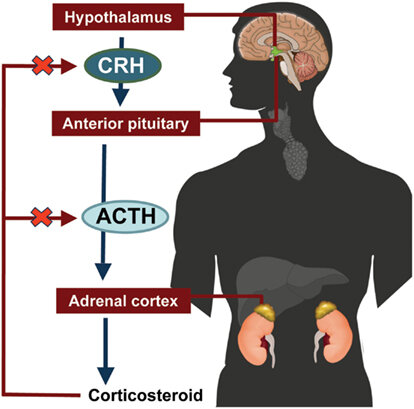
In a secure environment, a caregiver's soothing presence helps a child's nervous system return to baseline after a stressful event. This process calibrates the HPA axis, teaching it to react appropriately and then shut off. For those with insecure attachment histories, inconsistent or neglectful care can lead to a dysregulated HPA axis. The system might become overactive, triggering a flood of cortisol over minor stressors, or under-active, leading to a blunted emotional response. This early programming sets the stage for how we handle emotional challenges in adult relationships.
The Emotional Tug-of-War
Two brain regions are key players in our emotional lives: the amygdala and the prefrontal cortex (PFC). The is our primal threat detector, constantly scanning for danger. The PFC, on the other hand, is the brain's executive center, responsible for rational thinking, impulse control, and emotional regulation. In a well-regulated brain, these two work in harmony. The amygdala flags a potential threat, and the PFC assesses the situation and decides on a measured response.
However, for individuals with insecure attachment patterns, this connection can be weak. A perceived relational threat—like an unanswered text or a critical tone of voice—can trigger an "amygdala hijack." The amygdala sounds the alarm so loudly that it effectively short-circuits the PFC. Rational thought goes offline, and the body defaults to survival mode: fight, flight, or freeze. This can manifest as the intense protest behaviors of an anxious style or the rapid shutdown of an avoidant style.
Neuroplasticity and Epigenetics
The brain isn't static. Thanks to —the brain's ability to reorganize itself by forming new neural connections—these early patterns are not a life sentence. Consistent, safe, and nurturing interactions in adulthood can literally rewire these attachment-related pathways. Therapy, secure friendships, and healthy romantic partnerships can strengthen the connection between the PFC and the amygdala, helping to calm the nervous system and build a new template for connection, known as earned security.
Furthermore, early caregiving leaves a mark on our genes through a process called epigenetics. While our DNA sequence doesn't change, experiences like chronic stress can attach chemical markers to our genes, altering how they're expressed. These epigenetic changes can influence the development of stress-response systems. The good news is that these markers can also be changed by later positive experiences, reinforcing the brain's capacity for healing.
The Role of Oxytocin and Dopamine
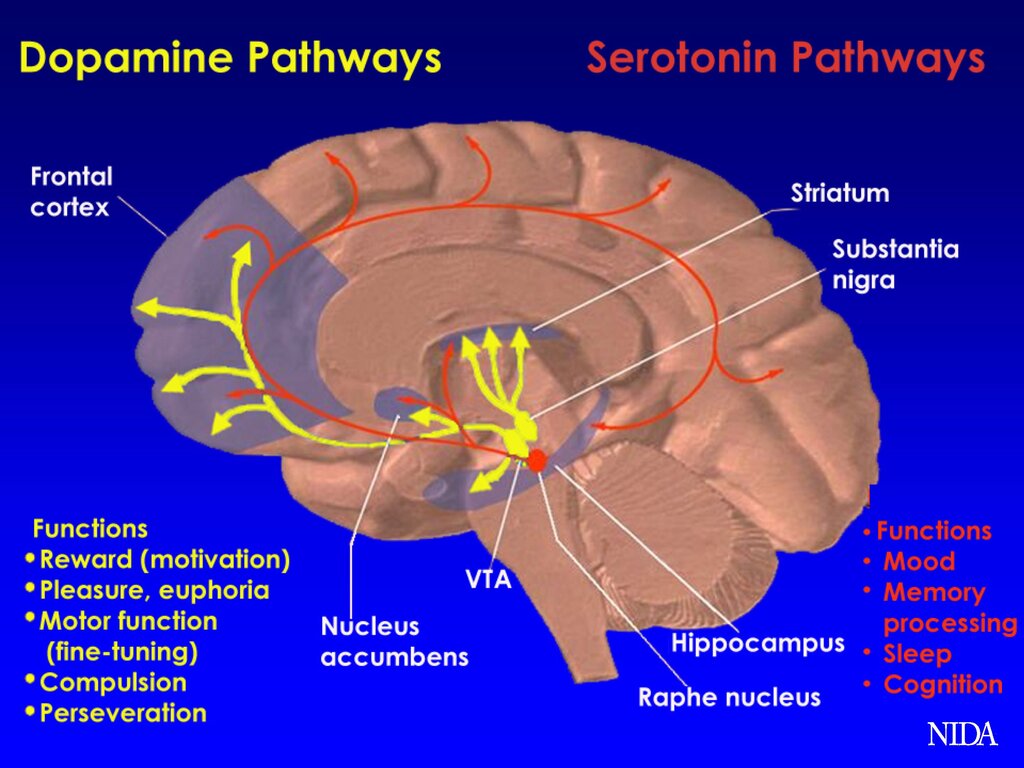
Two key neurochemicals orchestrate the feelings of bonding: oxytocin and dopamine. Oxytocin is often called the "cuddle hormone." It's released during moments of positive social connection, such as hugging, making eye contact, or caregiving. It dampens the amygdala's fear response and promotes feelings of trust, calm, and security.
Dopamine is the brain's reward and motivation chemical. It creates the feeling of pleasure and reinforces behaviors that are good for our survival, including social bonding. When we spend time with someone we feel attached to, the dopamine system is activated, making us want to seek out that person again. Early positive interactions create a robust and well-regulated system for both chemicals, making connection feel safe and rewarding. Negative or inconsistent experiences can disrupt this system, making it harder to trust others and feel the rewards of intimacy.
Understanding the neurobiology of attachment offers a powerful insight: our relationship patterns are not character flaws. They are adaptive responses that our brains developed to survive our earliest environments. And because of neuroplasticity, we have the capacity to build new neural pathways for secure connection at any stage of life.