Mastering Sculpting Techniques
Introduction to Sculpture
What is Sculpture?
Sculpture is art that has three dimensions: height, width, and depth. Unlike a painting that hangs on a wall, a sculpture occupies the same physical space we do. You can walk around it, see it from different angles, and experience how it changes with the light. It’s an art form you share a room with.
Sculpture
noun
The art of making two- or three-dimensional representative or abstract forms, especially by carving stone or wood or by casting metal or plaster.
This physical presence is what makes sculpture so powerful. It can commemorate historical figures, express complex ideas, or simply explore the beauty of form. From the monumental statues of ancient leaders to abstract shapes that challenge our perceptions, sculpture is a fundamental way humans have expressed themselves for millennia.
A Walk Through Time
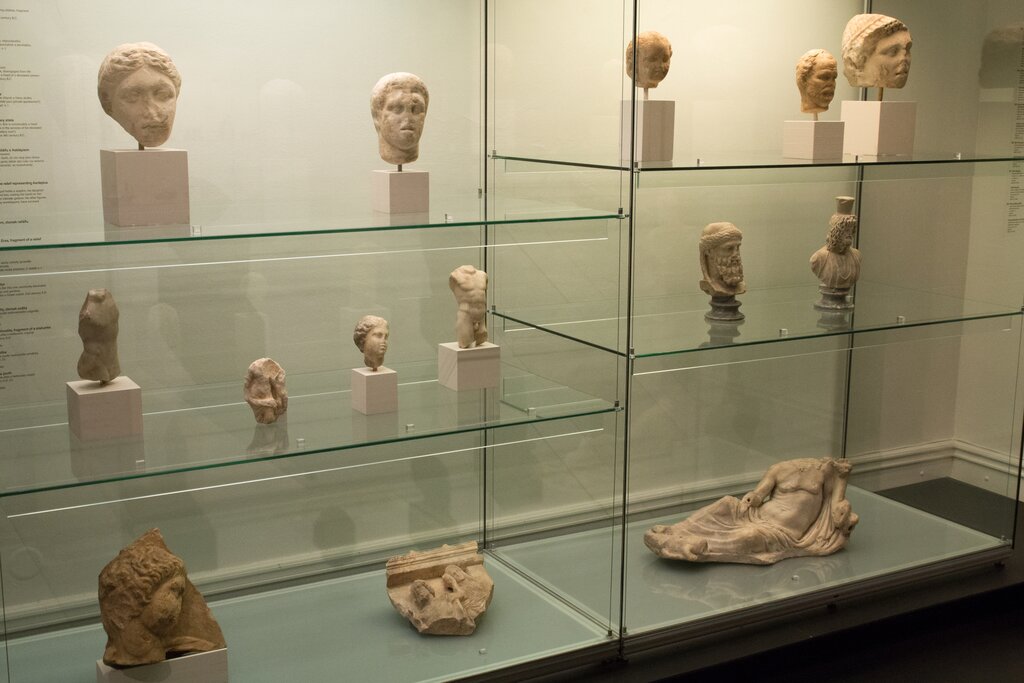
The story of sculpture is as old as human civilization. Early works, like the Venus figurines from over 25,000 years ago, were often tied to ritual and belief. In ancient civilizations like Egypt and Mesopotamia, sculptures served religious and political purposes, depicting gods, pharaohs, and kings in rigid, formal poses meant to convey power and eternity.
Ancient Greek and Roman artists revolutionized the form. They pursued realism, studying human anatomy to create lifelike figures that celebrated the beauty of the human body. Their work became the foundation of Western sculpture for centuries.
During the Renaissance, artists like Michelangelo revived the classical focus on realism and humanism, creating masterpieces that seemed to breathe with life.
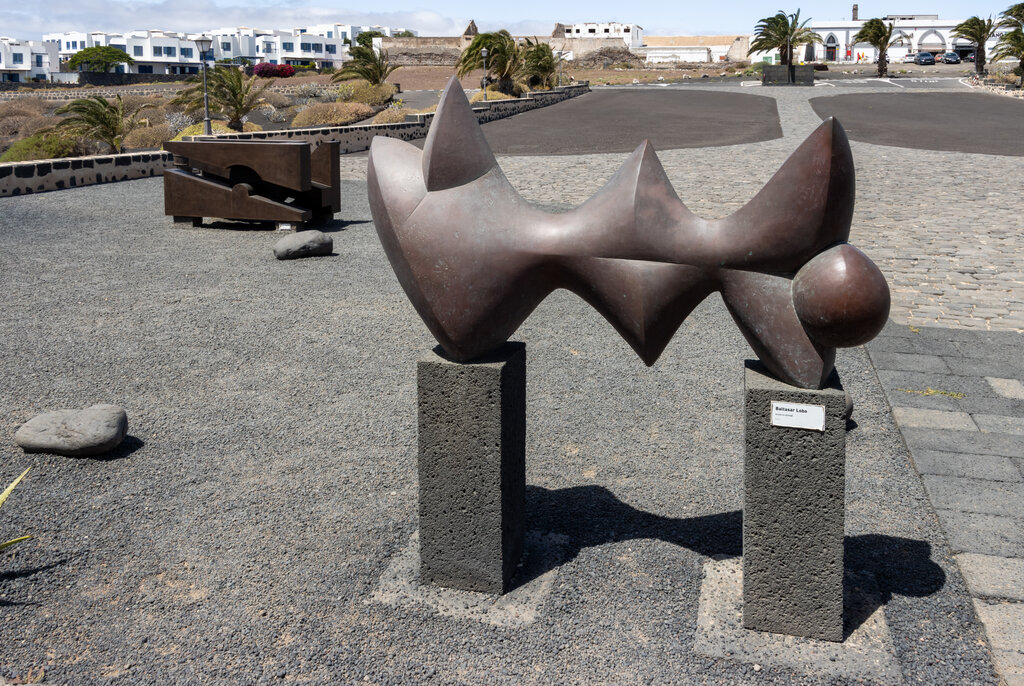
The 20th century blew the doors wide open. Artists began to break from tradition, moving beyond realistic representation. The rise of modern art introduced abstraction, where sculptors explored shape, line, and form for their own sake. Contemporary artists continue to push boundaries, using unexpected materials and creating immersive experiences that transform entire spaces.
Forms and Styles
Sculptures aren't all alike. They can be categorized by how they are made and how they are viewed. The two most fundamental categories are freestanding and relief.
| Type | Description | Key Feature |
|---|---|---|
| Freestanding | A sculpture that is self-supporting and can be viewed from all sides. | Also called sculpture "in the round." |
| Relief | A sculpture that projects from a flat background surface. | Meant to be viewed from the front, like a picture. |
Relief sculpture itself has variations based on how far the figures project from the background. In bas-relief (low relief), the projection is slight. In high-relief, the forms extend far out from the background, sometimes nearly detaching from it.
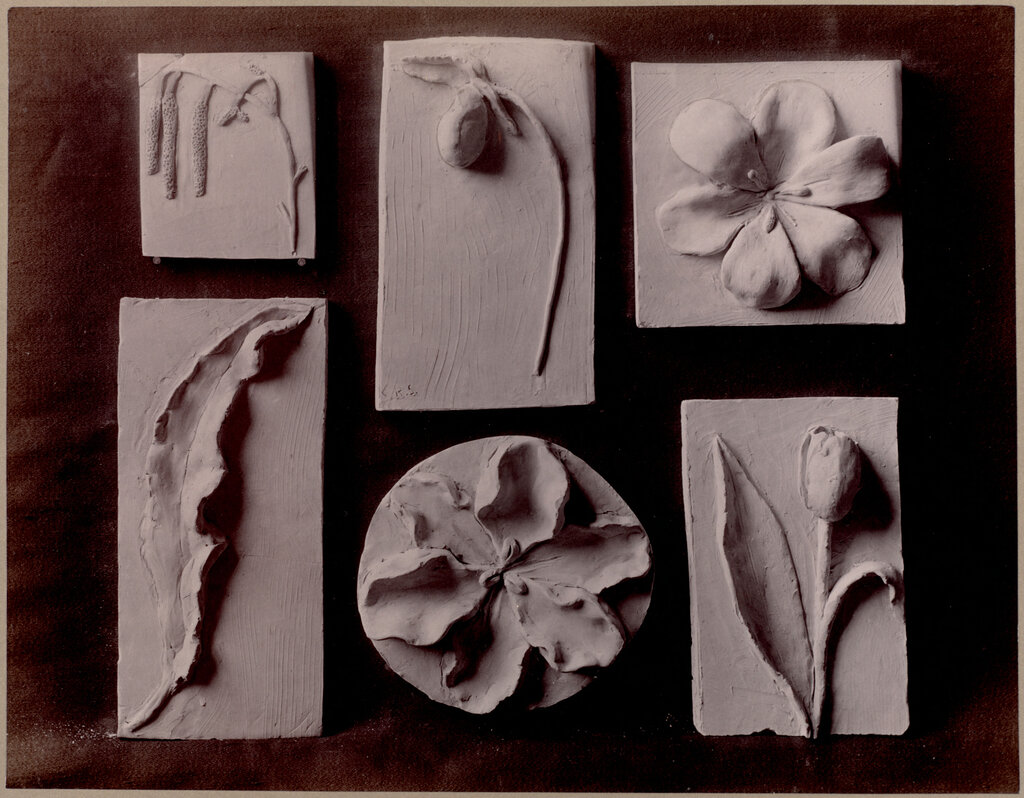
Beyond these traditional forms, artists have developed many other styles. Kinetic sculpture incorporates movement, powered by motors or natural forces like the wind. Installation art is a broader term for works that are designed for a specific location, often transforming the perception of the space itself.
From a marble statue you can circle to a room-sized installation you can walk through, sculpture constantly redefines its relationship with space and the viewer.
Ready to test your understanding?
What fundamental characteristic distinguishes sculpture from a two-dimensional art form like painting?
According to the text, a primary purpose of sculpture in ancient civilizations like Egypt was to serve religious and political functions.
Understanding these foundational ideas—what sculpture is, how it evolved, and the forms it can take—is the first step in appreciating this diverse and powerful art form.