Mastering Scientific Reading
Understanding Scientific Language
Decoding Scientific Papers
Reading a scientific paper can feel like trying to decipher a secret code. The language is dense, the structure is unfamiliar, and it’s packed with specialized terms. But just like any code, it can be broken. Scientific articles follow a predictable pattern, and learning that pattern is the key to unlocking the knowledge inside.
When you begin reading a scientific research article, you'll want to remember that each section of the article has a distinct purpose.
Once you know what to expect from each part, you can read more strategically. Instead of reading from start to finish like a novel, you can jump between sections to find the information you need.
The Anatomy of a Paper
Most scientific papers are organized into a standard format often called IMRaD, which stands for Introduction, Methods, Results, and Discussion. This structure creates a logical flow, telling a complete story of the research.
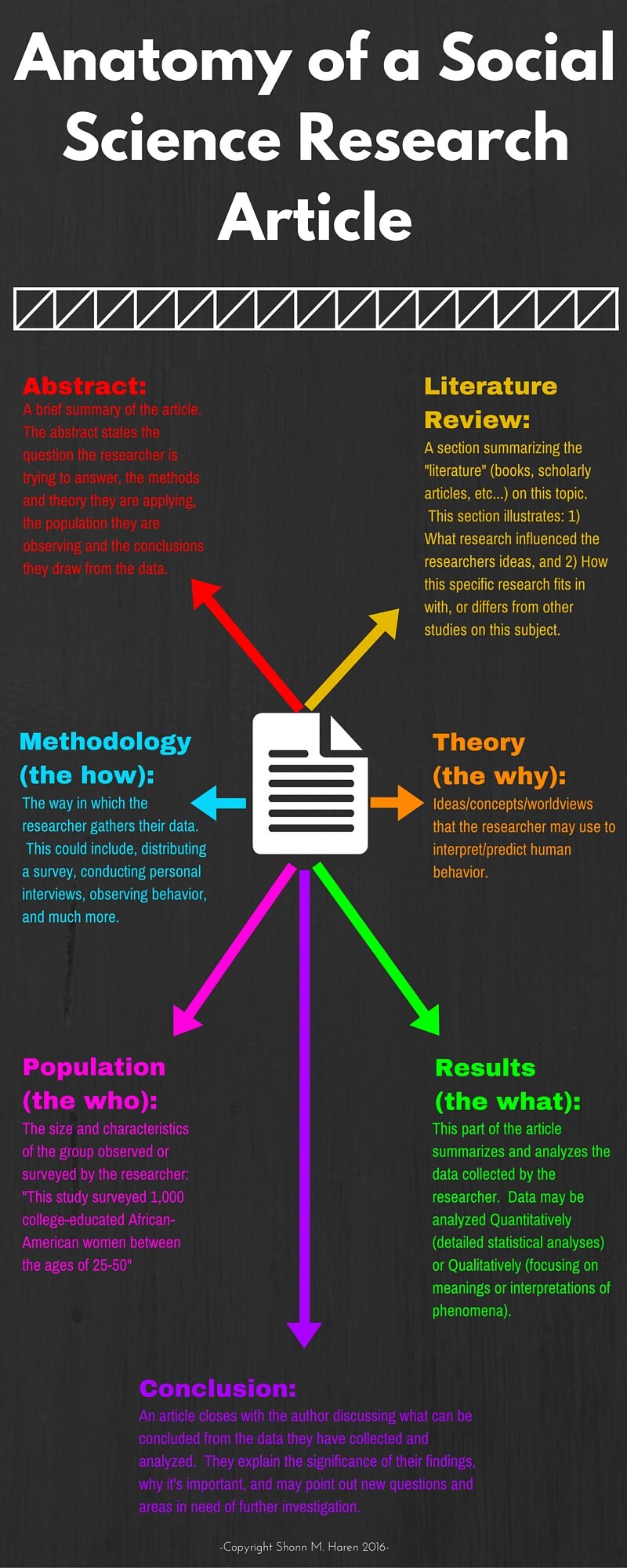
Let's walk through the purpose of each main section.
Abstract: This is a short summary of the entire paper. It briefly states the problem, the methods used, the key findings, and the main conclusion. It’s your first stop to decide if the paper is relevant to you.
Introduction: This section sets the stage. It explains the background of the research, outlines the problem the scientists are trying to solve, and states their specific question or hypothesis. Essentially, it answers the question: Why did they do this study?
Methods: Here, the researchers detail exactly how they conducted their experiment. It's like a recipe, providing enough information for another scientist to replicate the study. It describes the materials, procedures, and any statistical tests used.
Results: This is where the findings are presented without any interpretation. It reports the raw data, often using tables, graphs, and figures. The Results section simply states what they found.
Discussion/Conclusion: In this final main section, the authors interpret their findings. They explain what the results mean, how they relate back to the original question from the introduction, and discuss the study's limitations. This is where they answer: What does it all mean?
Speaking the Language
Beyond its structure, scientific writing is known for its precise and technical language. Scientists use specific terms, or jargon, to communicate complex ideas accurately and efficiently with other experts. This can be a barrier for newcomers.
jargon
noun
Special words or expressions that are used by a particular profession or group and are difficult for others to understand.
When you encounter an unfamiliar term, don't panic. The introduction or methods section often defines key terms. If not, a quick search in a scientific dictionary or online can help. The goal is not to memorize every new word, but to understand its meaning within the context of the paper.
A useful strategy is to keep a running list of new terms and their definitions as you read. This will help you build your vocabulary for future articles in the same field.
Understanding the structure and language of scientific papers demystifies them. By knowing the purpose of each section and having a strategy for technical terms, you can read with more confidence and better comprehension.
Which section of a scientific paper answers the question, "Why did they do this study?" by providing background information and stating the research hypothesis?
If you wanted to replicate an experiment described in a scientific paper, which section would provide the detailed "recipe" for how the study was conducted?