Mastering Scientific Reading
Introduction to Scientific Texts
The Blueprint of a Scientific Paper
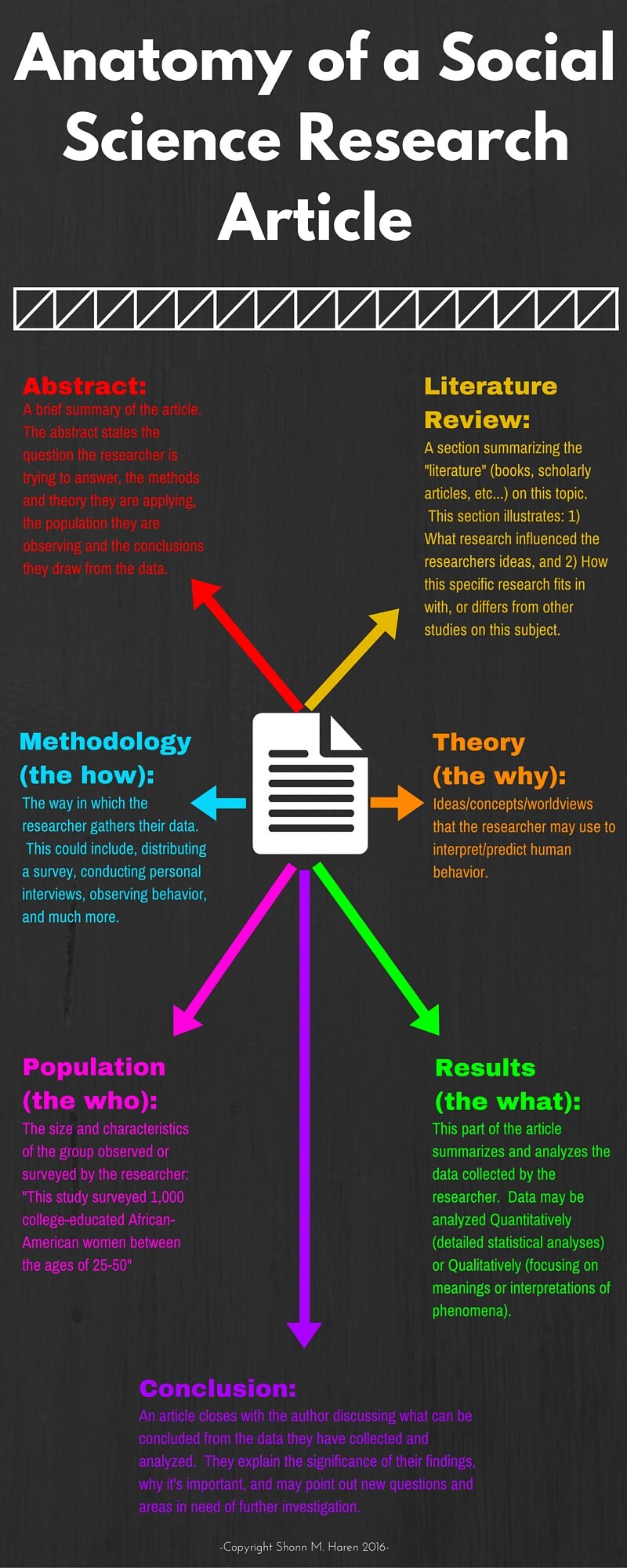
Scientific articles can seem dense and intimidating, but they follow a predictable pattern. Think of it as a blueprint. Once you understand the structure, you can navigate any research paper with confidence. Each section has a specific job to do, and they all fit together to tell a complete story about a research project.
Familiarizing with the structure and language of empirical articles will help you find the main points quickly and ultimately read more efficiently.
This standardized format isn't just for show. It allows readers, whether they are scientists, students, or just curious individuals, to find the information they need quickly. Let's walk through the typical sections you'll encounter.
Core Components
Most papers start with a couple of key elements that give you a high-level overview before you dive into the details.
Title: The title is the first thing you'll see. A good title is concise and descriptive, giving you a clear idea of the study's topic and main finding.
Abstract: This is a mini-summary of the entire article, usually in 250 words or less. It covers the study's purpose, methods, key results, and main conclusion. If you only have a minute, reading the abstract tells you if the whole paper is relevant to your interests.
After the abstract, the main body of the paper begins. Many scientific fields use a structure known as IMRaD, which stands for Introduction, Methods, Results, and Discussion.
IMRaD
noun
An acronym for the standard structure of a scientific journal article: Introduction, Methods, Results, and Discussion.
The IMRaD Sections
Let's break down what each part of the IMRaD structure does.
| Section | Purpose | Key Question Answered |
|---|---|---|
| Introduction | Provides background information and states the research problem. | Why was this study done? |
| Methods | Explains exactly how the research was conducted. | How was the study done? |
| Results | Presents the findings of the study, without interpretation. | What did the study find? |
| Discussion | Interprets the results and explains their significance. | What do the findings mean? |
The Introduction sets the stage. It starts broad with what is already known about the topic and then narrows down to the specific gap in knowledge the researchers are trying to fill. It ends by stating the research question or hypothesis.
The Methods section is like a recipe. It provides all the details about how the study was performed, including the materials used, the procedures followed, and the data analysis techniques. It needs to be clear enough for another scientist to replicate the experiment.
The Results section presents the data. This is where you'll find the facts and figures, often displayed in tables, charts, and graphs. This section is purely descriptive; it shows what the researchers found without explaining what it means.
Finally, the Discussion is where the authors interpret their findings. They explain what the results mean in the context of their research question and existing knowledge. They might also discuss the study's limitations and suggest directions for future research. Often, a brief Conclusion will summarize the key takeaways of the entire study.
Navigational Aids
Beyond the main sections, scientific papers use other features to help guide you. Headings and subheadings act as signposts, breaking up long sections into smaller, more digestible chunks. They signal a shift in topic and help you locate specific information without reading every word.
For example, within a Methods section, you might see subheadings like "Participants," "Materials," and "Statistical Analysis." These allow you to jump directly to the part you're most interested in.
By understanding this common structure, you can approach any scientific paper more strategically. You know where to look for the main argument, how the evidence was collected, and what the authors think it all means.
What is the primary purpose of the standardized IMRaD structure in scientific articles?
In which section of a scientific paper would you find a detailed, step-by-step description of how the study was conducted?
Now you have a solid map for navigating the world of scientific literature.